Most people assume brushing and flossing at home is enough to keep their mouth healthy. It isn't. Dental cleanings remove hardened plaque and tartar that no toothbrush can touch, and skipping them lets bacteria build up quietly until it becomes a bigger problem. This guide explains what actually happens during a cleaning, why timing matters, and how it protects far more than just your smile.
What Happens to Your Teeth Between Visits
Every day, a thin layer of bacteria called plaque forms on your teeth. Brushing removes most of it, but the parts you miss harden into tartar within a few days. Once tartar sets in, it clings to the tooth surface and below the gumline, and no amount of scrubbing at home will budge it.
This is where dental cleanings come in. A hygienist uses specialized tools to scrape away tartar that has already hardened, something a regular toothbrush simply cannot do. Left untreated, that buildup irritates the gums and creates pockets where bacteria thrive, setting the stage for inflammation and decay.
The Hidden Cost of Skipping Cleanings
Gum disease rarely announces itself loudly. It starts as mild redness or occasional bleeding when you brush, symptoms easy to brush off, pun intended. Without regular dental cleanings, that early irritation can progress into periodontitis, a condition that damages the bone supporting your teeth.
There's also a connection between oral health and the rest of the body that surprises many patients. Research has linked untreated gum inflammation to higher risks of heart disease and complications with diabetes. A visit to the dentist every six months isn't just about a brighter smile; it's a checkpoint for your overall health.
Why Bad Breath Often Traces Back to This
Chronic bad breath is frequently blamed on diet or dry mouth, but bacteria trapped in tartar is often the real source. Routine dental cleanings clear out that bacteria before it becomes a persistent odor problem, which is a relief most people don't realize they need until after the appointment.
How Often You Actually Need Them
Twice a year is the standard recommendation for most adults, though your needs might differ. People with a history of gum disease, smokers, or those managing diabetes often benefit from more frequent dental cleanings, sometimes every three to four months. Your dentist can assess your risk factors and suggest a schedule that fits your mouth specifically, rather than a one-size-fits-all timeline.
Pregnant women should also pay closer attention to their cleaning schedule. Hormonal shifts during pregnancy can make gums more sensitive and prone to inflammation, so staying consistent with dental cleanings during this time supports both maternal and fetal health.
What a Professional Cleaning Involves
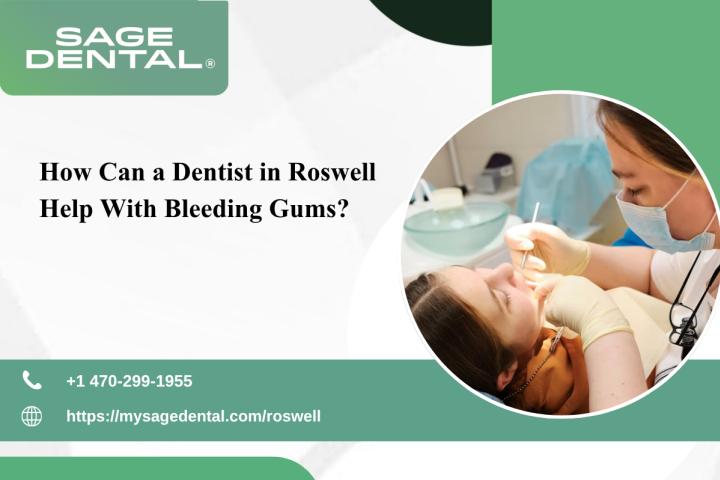
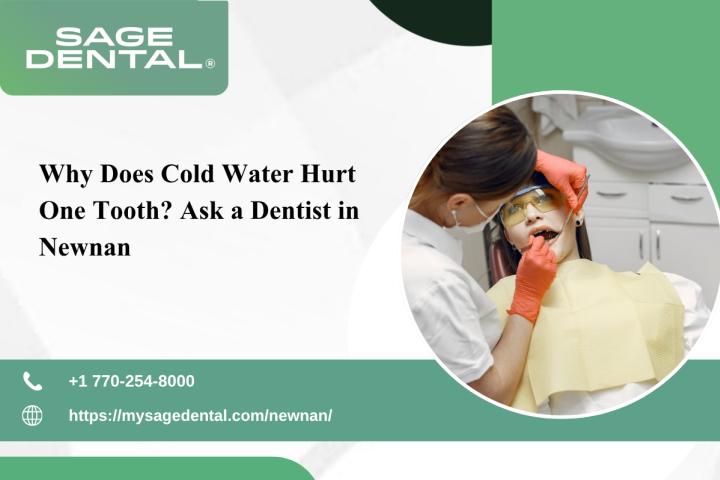
A typical appointment starts with an exam, often including X-rays if it's been a while since your last one. The hygienist then scales away plaque and tartar, focusing on areas along the gumline where buildup tends to concentrate. This part might feel slightly uncomfortable if you have sensitive gums, but it's quick and far less invasive than treating advanced gum disease later.
After scaling, your teeth get polished with a gritty paste that smooths the surface and removes surface stains from coffee, tea, or wine. Many offices finish with a fluoride treatment to strengthen enamel. The entire process usually takes under an hour, and most people leave with noticeably smoother, cleaner-feeling teeth. Some dental cleanings also include a flossing demonstration tailored to problem spots the hygienist noticed, giving you a more targeted routine at home.
Recovery Is Rarely an Issue
Unlike more involved dental work, cleanings don't require downtime. Mild gum sensitivity for a day or two is normal, especially if tartar buildup was significant, but it resolves quickly. There's no reason to dread the appointment once you understand what's actually happening in the chair.
A Small Habit With Lasting Payoff
Think of dental cleanings as maintenance rather than an inconvenience. The twenty minutes spent in the chair twice a year save far more time, money, and discomfort than treating advanced gum disease down the road. Your future self, still chewing comfortably and smiling without hesitation, will be grateful you kept the appointment.