Missing a tooth changes more than your smile. It affects how you chew, how your jaw sits, and even how confident you feel talking to people. A tooth implant dentist replaces that missing tooth with a permanent, natural-looking solution anchored directly into the jawbone, giving you back function and appearance without the slipping or discomfort that comes with removable options.
What Makes Dental Implants Different From Other Tooth Replacement Options
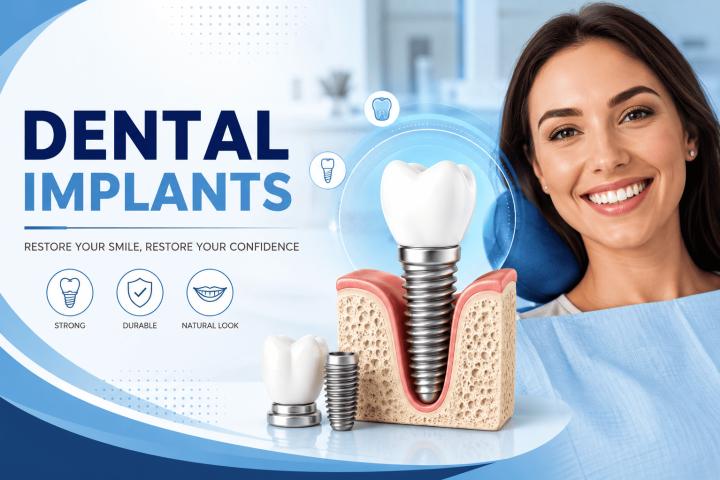
Bridges and dentures sit on top of the gum or rely on neighboring teeth for support. Implants work differently. A small titanium post is placed into the jawbone itself, where it fuses with the bone over time through a process called osseointegration. This is why implants feel and function like real teeth, not like something borrowed from outside the mouth.
The Titanium Root Advantage
Titanium is biocompatible, meaning the body doesn't reject it the way it might reject other materials. Once fused, the post acts as an artificial root, giving the replacement tooth the same stability a natural root would provide. That stability matters when you're biting into something firm or speaking without worrying about movement.
How a Tooth Implant Dentist Plans Your Treatment
No two mouths are the same, so treatment planning starts with a detailed evaluation. X-rays and 3D scans map out the jawbone, nerve positions, and sinus location before anything is placed. A skilled tooth implant dentist uses this imaging to decide exactly where the implant should go and at what angle, which directly affects how long it lasts.
Bone Density and Jaw Health Come First
Not everyone has enough bone density right away, especially if a tooth has been missing for years. In these cases, a bone graft may be recommended first to build up the area before implant placement. This extra step adds time to the process but significantly improves the odds of long-term success.
The Actual Procedure: What Happens Step by Step
The process usually happens in stages rather than a single visit. First, the implant post is surgically placed into the jawbone under local anesthesia. Most patients describe the sensation as pressure rather than sharp pain, and recovery from this stage typically takes a few days of mild soreness.
After the post fuses with the bone, which can take two to six months depending on the individual, a small connector piece called an abutment is attached. The final restoration, a custom-made crown, is then fitted on top. A qualified tooth implant dentist will match the crown's shape and shade to surrounding teeth so it blends in naturally rather than standing out.
Healing Time and What Affects It
Healing speed varies based on several factors: overall health, smoking habits, bone quality, and how well a patient follows aftercare instructions. Younger patients with strong bone density often heal faster, while those with conditions like uncontrolled diabetes may need extra monitoring throughout the process.
Diet also plays a role during recovery. Soft foods are recommended for the first week or two, and avoiding pressure on the implant site helps the fusion process along. Patience during this stage pays off, since rushing the timeline can compromise how well the implant integrates.
Caring for Your New Implant Long Term
Once healed, implants require the same basic care as natural teeth: brushing twice daily, flossing, and regular checkups. However, that doesn't mean maintenance stops there. Any experienced dentist will emphasize that gum health around the implant is just as important as the implant itself, since infection in the surrounding tissue can jeopardize even a well-placed post.
Routine cleanings allow a dentist to catch early signs of inflammation before they become bigger problems. With proper care, implants can last decades, often outliving other restorative options by a wide margin. This makes them a genuinely long-term investment rather than a temporary fix.
Cost Considerations Worth Understanding
Implants tend to cost more upfront than bridges or dentures, but the comparison isn't quite that simple. Because implants don't need replacing every five to ten years the way some alternatives do, the long-term value often balances out. Many practices also offer financing plans, and dental insurance sometimes covers a portion of the procedure depending on the policy.
It's worth asking detailed questions during a consultation about what the total cost includes, from imaging to the final crown. A transparent tooth implant dentist will walk through pricing clearly instead of leaving patients guessing about hidden fees later in the process.
A Smile Built to Last
A missing tooth doesn't have to mean a lifetime of compromise. Working with an experienced tooth implant dentist means choosing a solution built on strong fundamentals: real bone integration, careful planning, and materials designed to last. The result isn't just a replaced tooth. It's restored confidence that holds up for years to come.