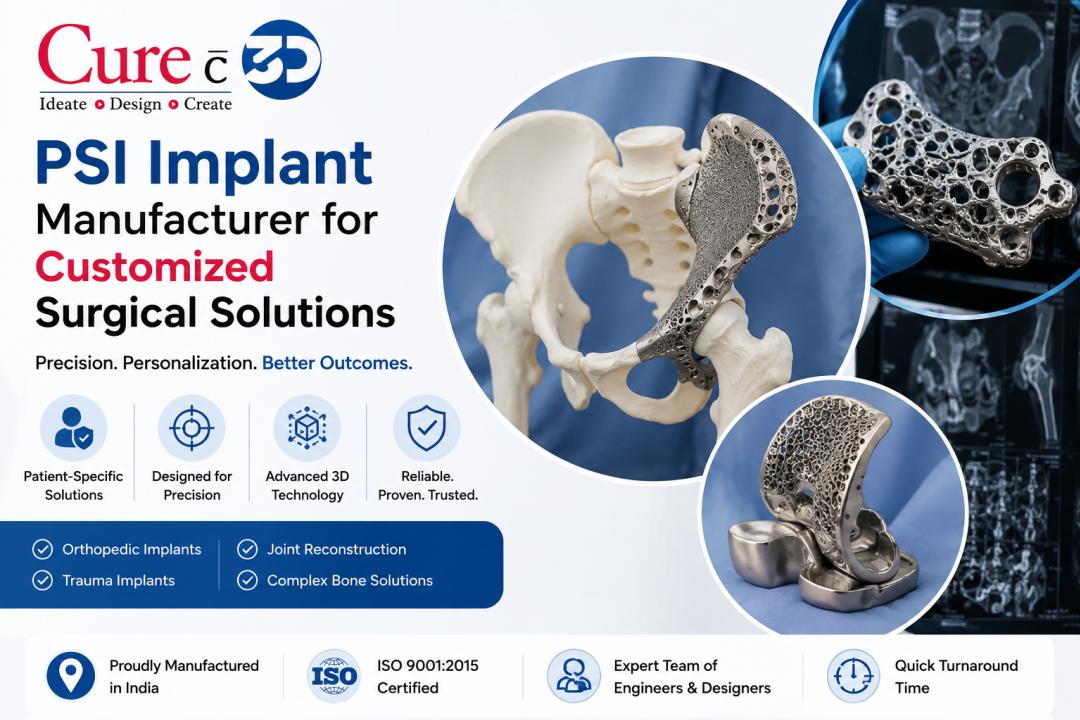
Personalized healthcare is transforming the way complex surgeries are planned and performed, and Patient-Specific Implants (PSIs) are at the forefront of this evolution. Unlike conventional implants that are manufactured in standard dimensions, patient-specific implants are engineered using detailed CT or MRI scans to match each patient's exact anatomy. This customized approach enables surgeons to achieve greater precision, improved implant stability, and more predictable clinical outcomes.
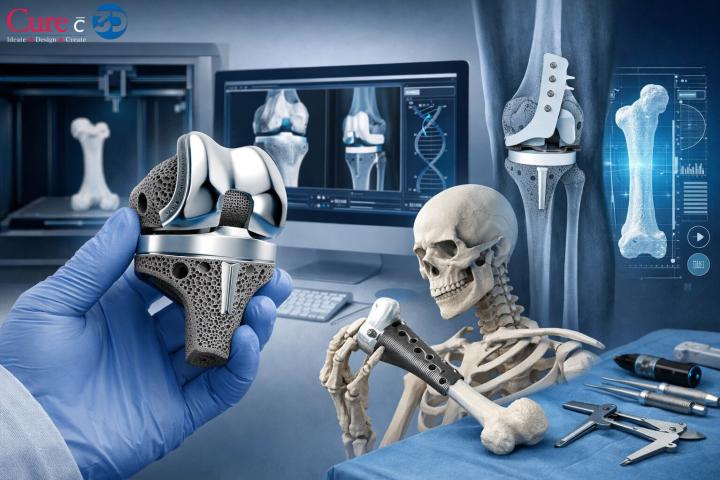
The success of every customized implant begins with an experienced PSI Implant Manufacturer. By combining advanced medical imaging, computer-aided engineering (CAD), Virtual Surgical Planning (VSP), and medical-grade 3D printing, manufacturers create highly accurate implants designed specifically for each patient's clinical requirements.
In this article, we'll explore the responsibilities of a PSI Implant Manufacturer, the latest technologies behind customized implants, their clinical applications, major benefits, and the key considerations when selecting a reliable manufacturing partner.
Understanding the Role of a PSI Implant Manufacturer
A PSI Implant Manufacturer specializes in developing Patient-Specific Implants that are custom-designed for individual patients. Instead of relying on off-the-shelf implant sizes, manufacturers use patient imaging data to create implants that replicate the natural anatomy with exceptional precision.
The manufacturing process generally involves:
- Acquiring CT or MRI imaging data
- Creating a detailed three-dimensional anatomical model
- Designing the implant using CAD software
- Collaborating with surgeons for design validation
- Producing the implant through medical-grade 3D printing
- Performing extensive quality control and inspection
This fully digital workflow helps improve surgical efficiency while minimizing implant modifications during the procedure.
Why Patient-Specific Implants Are Becoming the Preferred Choice
Although conventional implants continue to play an important role in orthopedic and reconstructive surgery, they may not always provide the ideal anatomical fit for patients with complex conditions.
Customized Patient-Specific Implants provide several important advantages, including:
- Precise anatomical compatibility
- Improved implant fixation and stability
- Enhanced surgical accuracy
- Reduced operative time
- Better postoperative function
- Greater patient satisfaction
These advantages have accelerated the adoption of PSI technology across orthopedic, cranio-maxillofacial, trauma, spinal, and reconstructive procedures.
Core Technologies Behind Modern PSI Implant Manufacturing
Producing customized implants requires a combination of digital planning tools, engineering expertise, and advanced manufacturing technologies.
Medical Imaging
High-resolution CT and MRI scans provide the anatomical information required to accurately design patient-specific implants.
Computer-Aided Design (CAD)
CAD software converts diagnostic imaging into detailed three-dimensional implant models that closely replicate the patient's skeletal structure.
Virtual Surgical Planning (VSP)
Virtual Surgical Planning enables surgeons and biomedical engineers to simulate procedures, optimize implant positioning, and finalize the surgical strategy before entering the operating room.
Medical Metal 3D Printing
Advanced additive manufacturing technologies fabricate complex titanium implants with exceptional precision, consistency, and structural integrity.
Comprehensive Quality Control
Each implant undergoes strict dimensional verification, material validation, and manufacturing inspections before being approved for clinical use.
Benefits of Working with a Reliable PSI Implant Manufacturer
Selecting an experienced manufacturing partner can significantly improve surgical planning and treatment outcomes.
Customized Anatomical Fit
Every implant is designed according to the patient's anatomy, minimizing adjustments during surgery.
Greater Surgical Precision
Patient-specific implant design helps surgeons achieve more accurate placement and predictable clinical results.
Reduced Procedure Time
Pre-planned implant designs simplify surgical workflows and can shorten overall operating time.
Improved Patient Recovery
Accurate implant fit often contributes to better healing, enhanced mobility, and faster rehabilitation.
Better Collaboration Between Engineers and Surgeons
Continuous communication throughout the design process allows surgical teams to review, refine, and approve implants before manufacturing begins.
Where Are Patient-Specific Implants Used?
Patient-specific implants are increasingly being utilized across numerous surgical specialties.
Orthopedic Surgery
Common orthopedic applications include:
- Pelvic reconstruction
- Complex fracture fixation
- Bone tumor reconstruction
- Revision joint procedures
- Limb salvage surgery
Cranio-Maxillofacial (CMF) Surgery
Customized implants support several facial reconstruction procedures, including:
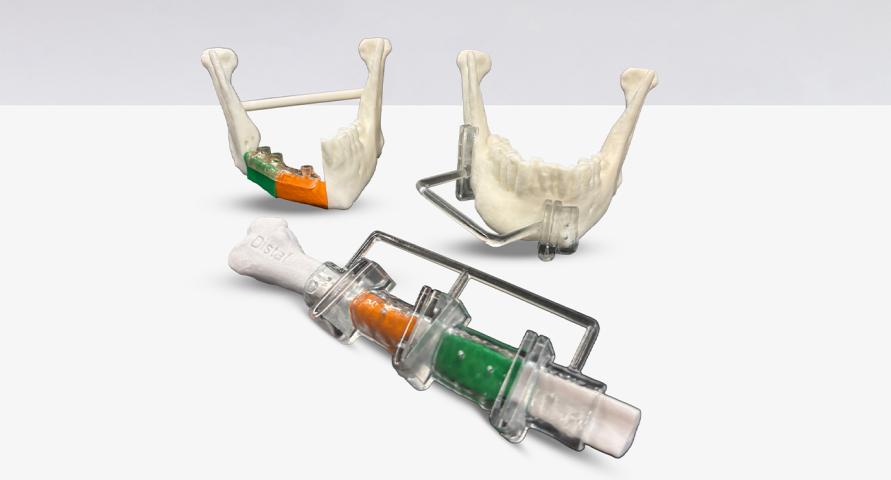
- Mandibular reconstruction
- Orbital floor reconstruction
- Maxillary reconstruction
- Cranial defect repair
- Correction of facial asymmetry
Trauma Reconstruction
Following severe injuries, patient-specific implants help restore skeletal anatomy with greater precision.
Cancer Reconstruction
After tumor removal, customized implants restore structural support while improving functional and aesthetic outcomes.
Materials Commonly Used in Patient-Specific Implants
Leading PSI Implant Manufacturers utilize certified biomaterials that comply with international medical standards.
Titanium Alloy (Ti6Al4V ELI Grade 23)
Titanium continues to be the preferred implant material because it offers:
- Exceptional mechanical strength
- Excellent corrosion resistance
- Outstanding biocompatibility
- Long-term durability
PEEK (Polyether Ether Ketone)
PEEK is selected for certain craniofacial procedures because it provides:
- Lightweight performance
- Radiolucent characteristics
- Elasticity similar to cortical bone
The final material selection depends on the patient's anatomy, clinical indication, and surgeon preference.
How to Select the Best PSI Implant Manufacturer
Choosing the right manufacturing partner is essential for successful patient outcomes. Important considerations include:
- Extensive experience in patient-specific implant manufacturing
- Expertise in Virtual Surgical Planning
- Advanced medical 3D printing capabilities
- Certified quality management systems
- Use of premium medical-grade materials
- Close collaboration with surgeons during implant design
- Reliable production timelines
- Strong post-design technical support
An experienced manufacturer helps healthcare providers improve both surgical precision and long-term implant performance.
Frequently Asked Questions (FAQs)
What is a Patient-Specific Implant?
A Patient-Specific Implant is a customized implant designed from CT or MRI imaging to match the unique anatomy of an individual patient.
Who can benefit from customized implants?
Patients undergoing complex orthopedic, cranio-maxillofacial, trauma, spinal, or reconstructive procedures often benefit from personalized implant solutions.
How are PSI implants produced?
The process combines diagnostic imaging, CAD engineering, Virtual Surgical Planning, medical-grade 3D printing, and comprehensive quality assurance.
Are Patient-Specific Implants reliable?
Yes. When manufactured using certified materials and validated production processes, customized implants meet stringent medical quality and safety standards.
Why are healthcare providers adopting PSI technology?
Patient-specific implants improve anatomical fit, surgical efficiency, treatment accuracy, and overall patient outcomes, making them an increasingly valuable solution in modern surgery.
How Curewith3D Supports Personalized Surgical Innovation
At Curewith3D, advanced medical imaging, Virtual Surgical Planning, biomedical engineering, and medical-grade additive manufacturing are integrated to develop customized implant solutions for orthopedic, cranio-maxillofacial, spinal, and reconstructive procedures. Working collaboratively with surgeons throughout every stage of planning helps deliver patient-specific solutions that support precision, efficiency, and improved clinical outcomes.
Conclusion
As personalized medicine continues to reshape modern healthcare, Patient-Specific Implants have become an essential component of precision surgery. A knowledgeable PSI Implant Manufacturer transforms medical imaging into highly customized implant solutions that improve surgical planning, simplify complex procedures, and contribute to better long-term patient outcomes.
With continuous innovations in medical imaging, CAD engineering, Virtual Surgical Planning, and metal 3D printing, patient-specific implant technology will continue expanding across multiple surgical specialties. Organizations such as Curewith3D are helping healthcare professionals embrace personalized surgical solutions that advance precision medicine and improve the quality of patient care.