Modern farming increasingly relies on simple technologies that help crops cope with changing weather conditions and improve growing efficiency. Low tunnel film is one practical solution used to create a protective environment over crops while allowing sunlight to reach plants. It can help shield young crops from cold winds, excessive rainfall, strong sunlight, and certain environmental stresses during vulnerable growth stages. For farmers in Gujarat, where agricultural conditions vary across seasons and regions, selecting a suitable covering film requires careful consideration of crop type, climate, film quality, and expected duration of use. Farmers searching for a Low Tunnel Film Supplier in Gujarat should therefore evaluate product specifications and application requirements rather than choosing a film based solely on price.
What Is Low Tunnel Film?
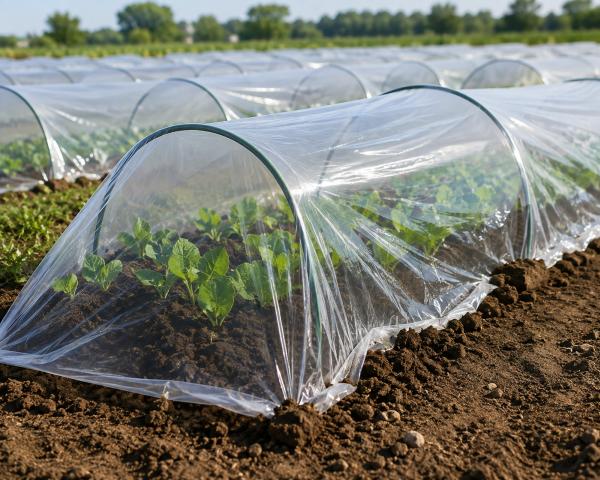
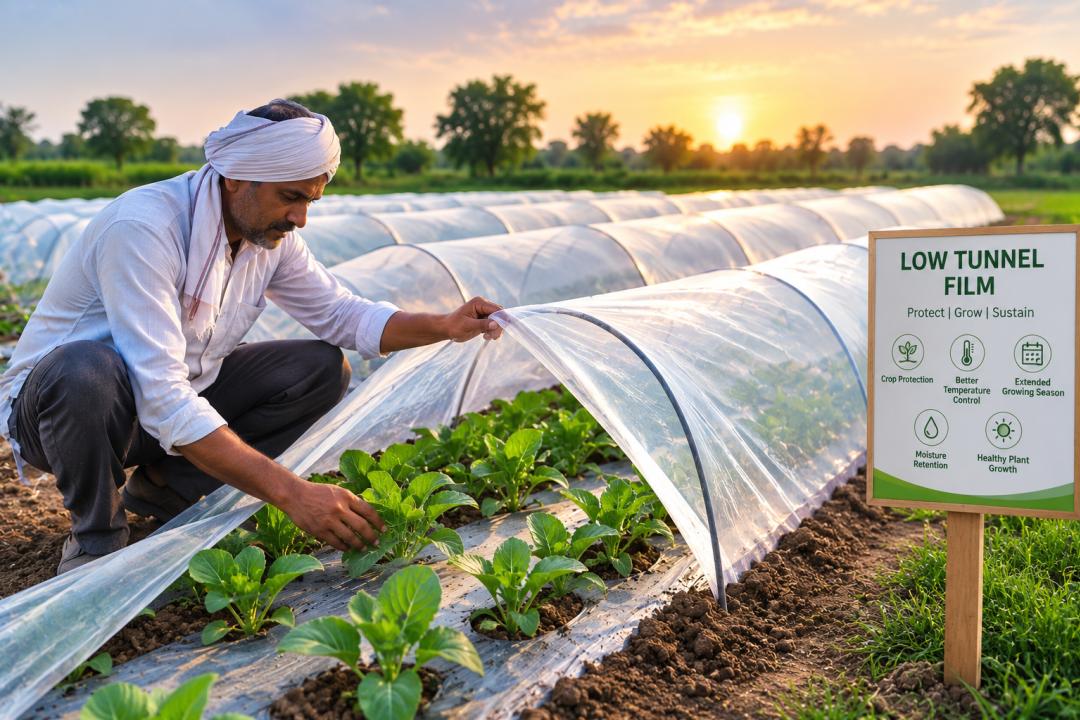
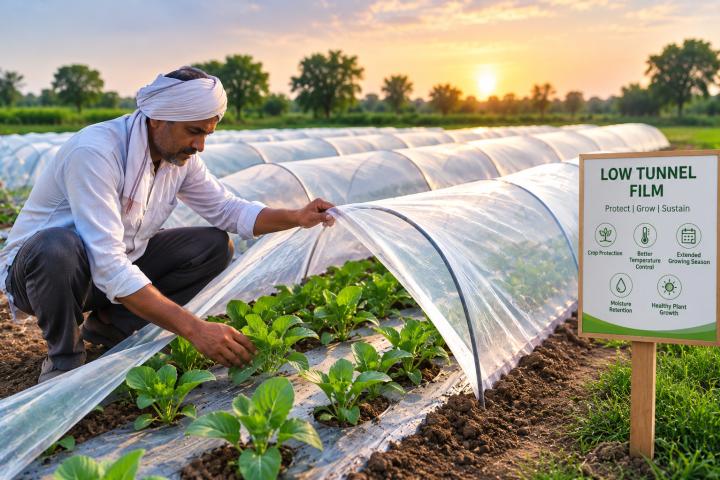
Low tunnel film is a lightweight agricultural plastic covering installed over hoops or low-support structures placed above crop rows. The resulting tunnel creates a controlled microenvironment around plants without requiring a full greenhouse structure.
It is commonly used for:
- Protecting young seedlings
- Supporting early-stage vegetable cultivation
- Reducing exposure to cold weather
- Providing a physical barrier against wind and rain
- Helping maintain a more stable growing environment
- Extending the practical cultivation period for selected crops
The effectiveness of a low tunnel depends on appropriate installation, ventilation, crop selection, and local weather conditions.
Why Use Low Tunnel Film in Agriculture?
Low tunnels are particularly useful when crops need temporary protection during sensitive growth stages. Instead of investing in a large protected-cultivation structure, farmers can use smaller tunnel systems directly over individual beds or rows.
The covering can reduce exposure to unfavorable weather while allowing sunlight to enter. This can be valuable during periods when young plants are vulnerable to environmental fluctuations.
However, low tunnel film should not be treated as a replacement for proper crop management. Irrigation, ventilation, soil preparation, plant spacing, and pest monitoring remain important. Excessive heat and humidity inside a tunnel can also affect plant health, making regular observation essential.
Key Features to Consider When Selecting Film
Film Thickness
Thickness influences the film's strength, handling characteristics, and expected service period. Farmers should select a suitable thickness according to the crop cycle, installation method, and environmental conditions.
Light Transmission
Adequate sunlight is important for photosynthesis and healthy plant development. A suitable covering should provide appropriate light transmission for the crop while delivering the desired protective function.
UV Stability
Outdoor agricultural films are exposed to sunlight for extended periods. UV-stabilized materials are designed to withstand solar exposure better and can provide more consistent performance during their intended application period.
Weather Resistance
Wind, rain, temperature changes, and physical handling can affect agricultural film. A suitable product should be capable of performing under the conditions expected during the crop cycle.
Expert Buying Tips
Before purchasing low tunnel film, farmers should consider the following practical recommendations:
- Identify the crop: Different vegetables and horticultural crops have different protection requirements.
- Consider the season: Select film characteristics according to the expected temperature, rainfall, and sunlight conditions.
- Check specifications: Review thickness, width, UV stability, light transmission, and recommended application.
- Plan ventilation: Ensure the tunnel can be ventilated when temperatures rise significantly.
- Install carefully: Secure the film properly to reduce damage caused by wind and unnecessary tension.
- Inspect regularly: Check for tears, loose sections, water accumulation, or excessive heat inside the tunnel.
- Compare quality and value: A suitable agricultural film should be evaluated for performance and service life rather than purchase price alone.
Consulting product specifications before purchasing can help farmers avoid selecting a film that does not match their crop or growing conditions.
FAQ About Low Tunnel Film
What is low tunnel film used for?
Low tunnel film is used to cover crops grown under low hoop structures, providing temporary protection from weather conditions while allowing sunlight to reach the plants.
Which crops can benefit from low tunnels?
Vegetables, seedlings, and selected horticultural crops can benefit from low tunnels, particularly during sensitive early-growth periods. Suitability depends on the crop and local growing conditions.
Does low tunnel film protect crops from cold weather?
It can reduce direct exposure to cold air and wind and create a somewhat warmer microenvironment. The level of protection depends on the film, tunnel design, weather conditions, and ventilation.
Why is UV stabilization important?
UV stabilization helps agricultural film withstand prolonged exposure to sunlight. It can contribute to more consistent performance throughout the intended use period.
How should low tunnel film be maintained?
Farmers should regularly inspect the covering for tears, loose sections, excessive condensation, and overheating. Proper ventilation and secure installation are also important.
Conclusion
Low tunnel film can be a useful tool for farmers who need temporary crop protection without constructing a full-scale protected cultivation system. Its effectiveness depends on selecting suitable film specifications and using proper installation and ventilation practices. Crop type, season, sunlight, weather conditions, thickness, and UV stability should all be considered before purchasing. A reliable agricultural film supplier can provide product information that helps farmers make decisions based on actual cultivation requirements. Mulchfilm can be explored as a source of agricultural film information when comparing suitable solutions for modern farming applications.