A ceiling can do much more than hide services or finish the top of a room. In contemporary interiors, it has become an important design surface. It can influence how people experience space.
One particularly interesting approach is the use of baffles.
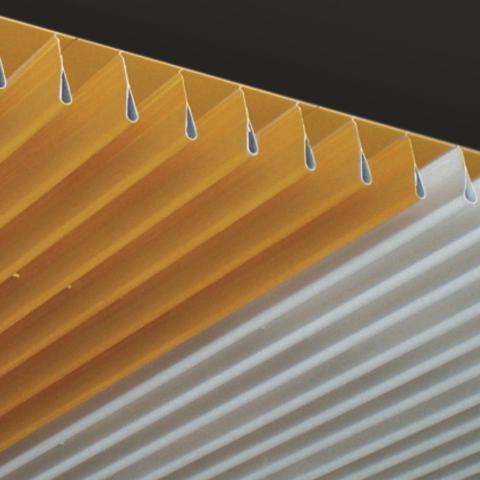
Instead of creating one continuous ceiling plane, baffles introduce individual elements. These can be arranged, repeated, suspended, or varied across the overhead space. This creates rhythm and direction, giving the ceiling a sense of movement without requiring any actual moving parts.
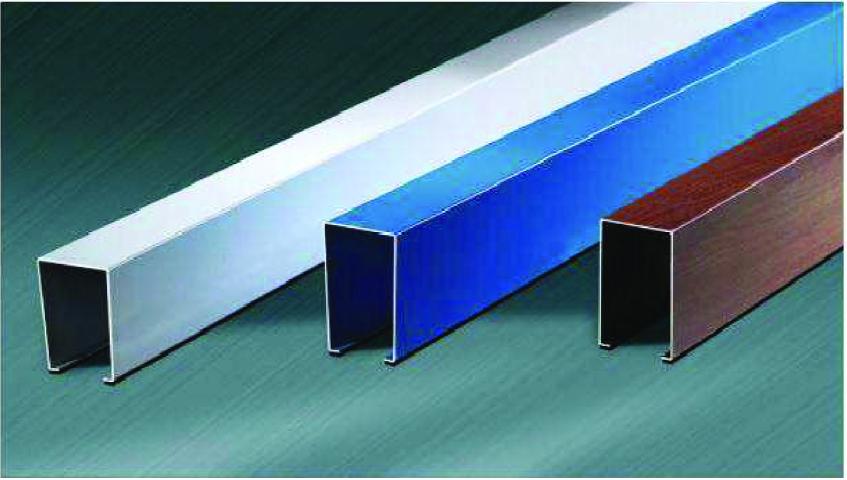
A Metal Baffle Ceiling takes this idea further by combining a structured ceiling system with the clean, precise character of metal.
1. Linear Arrangement Creates Direction
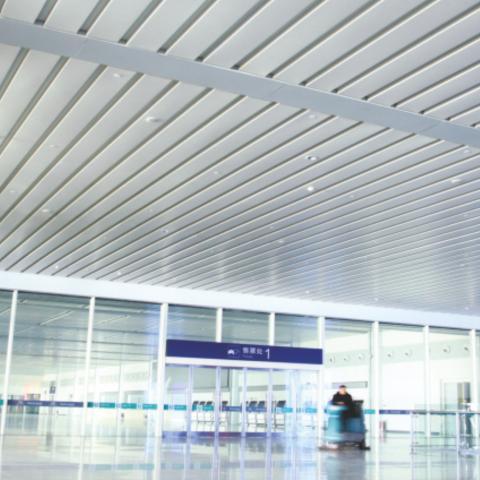
One of the simplest ways to create movement is through linear alignment.
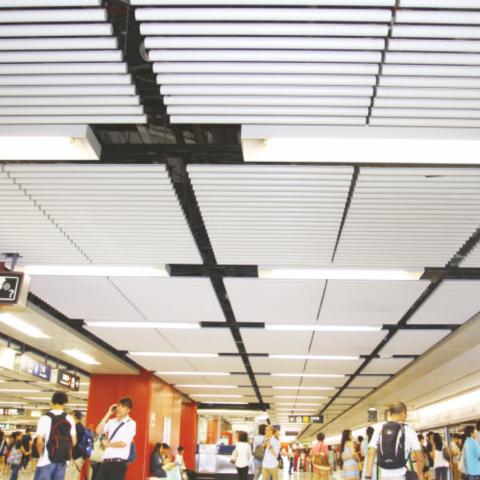
Baffles installed in parallel lines can emphasize the length or width of a room. Depending on the orientation, they can make the space feel more directional.
For example, running baffles along the length of a long room can reinforce its existing geometry.
Turning them across the room can create a different visual effect.
The physical dimensions remain unchanged, but the ceiling influences how the eye reads those dimensions.
2. Repetition Creates Rhythm
Repetition is a powerful architectural tool.
A series of identical elements can create order and consistency. When those elements are repeated across a ceiling, they produce a visual rhythm that can make a large space feel more organized.
Metal Ceiling systems can use this principle through repeated modules, linear elements, or coordinated layouts.
The result is a ceiling that feels intentional rather than visually empty.
3. Spacing can Change the Visual Tempo
Baffles do not always need to be installed at exactly the same spacing.
Different spacing patterns can create different impressions.
Tighter arrangements can produce a stronger visual presence. On the other hand, wider gaps can make the ceiling feel lighter and more open.
This gives designers another way to control the visual "tempo" of the room.
The ceiling can feel calm and regular or more energetic and expressive, depending on the layout.
Read to know more about metal baffle ceiling here: Think Metal Baffle Ceilings are just for Looks? Wait till you read the Specs!
4. Varying Heights Adds Depth
A flat ceiling presents a single visual plane.
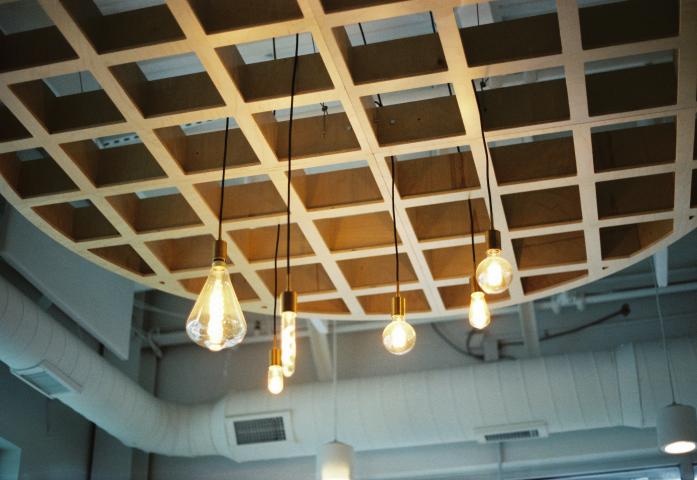
Baffles can introduce multiple levels.
Some designs use different suspension heights to create layers across the ceiling. This can add depth and make the overhead surface more visually interesting.
It can also create a stronger three-dimensional quality without requiring an elaborate architectural structure.
For interiors that need a distinctive ceiling feature, this flexibility can be valuable.
5. Metal Brings Precision to the Design
Metal has a naturally structured appearance.
Its clean edges and consistent finish can complement contemporary architecture. This is seen particularly in offices, airports, retail environments, transportation hubs, hospitality spaces, and public buildings.
A Metal Baffle Ceiling can therefore create movement without appearing overly decorative.
The system can remain precise while the arrangement introduces visual energy.
6. Different Profiles Create Different Effects
Not every baffle needs to look the same.
Depending on the system, designers can explore different profiles, dimensions, orientations, and arrangements.
A narrow profile can create a fine linear rhythm.
A wider profile can produce a stronger architectural statement.
The choice depends on the scale of the room and the desired visual effect.
Conclusion
A ceiling does not need to be flat or static to be functional. Modern interiors are increasingly using overhead surfaces to create identity. They help organize space, introduce depth, and influence perception. A Metal Baffle Ceiling provides a particularly flexible way to achieve this.
Through orientation, spacing, repetition, height, profile, and lighting, designers can create ceilings that feel dynamic. The best part? It does not overwhelm the room. At the same time, Metal Ceiling Panels, Metal Ceiling Tiles, and other suspended systems can be coordinated with broader architectural and acoustic requirements. The result is more than a finished ceiling. It becomes an active part of the interior experience.
Let the Ceiling Shape the Experience
A ceiling can do more than complete a room. With the right arrangement, it can create rhythm, guide the eye, define zones, and bring a stronger sense of movement to the interior. Tranquil Global offers ceiling and acoustic solutions that can help architects and designers explore more expressive approaches to contemporary interiors. A thoughtfully planned Metal Baffle Ceiling can turn an overhead surface into a defining part of the space.
FAQs
How does a Metal Baffle Ceiling create a sense of movement?
It uses repeated linear elements, spacing, direction, height variations, and patterns to guide the eye and create visual rhythm across the ceiling.
Can baffle orientation change how a room feels?
Yes. The direction of the baffles can emphasize the length, width, or particular zones of a room, influencing how the space is visually perceived.
Are Metal Ceiling Panels suitable for dynamic ceiling designs?
They can be, depending on the system. Different panel layouts and configurations can introduce rhythm and variation while maintaining a structured appearance.