Introduction
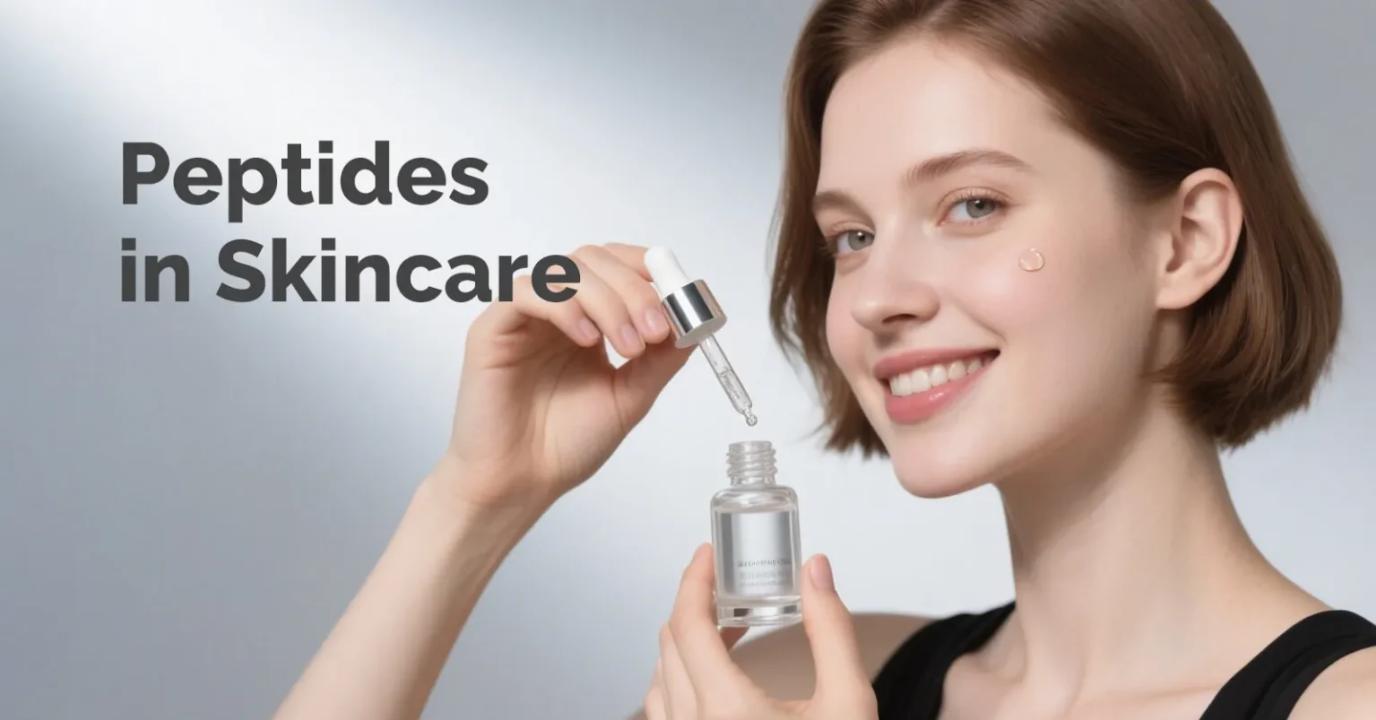
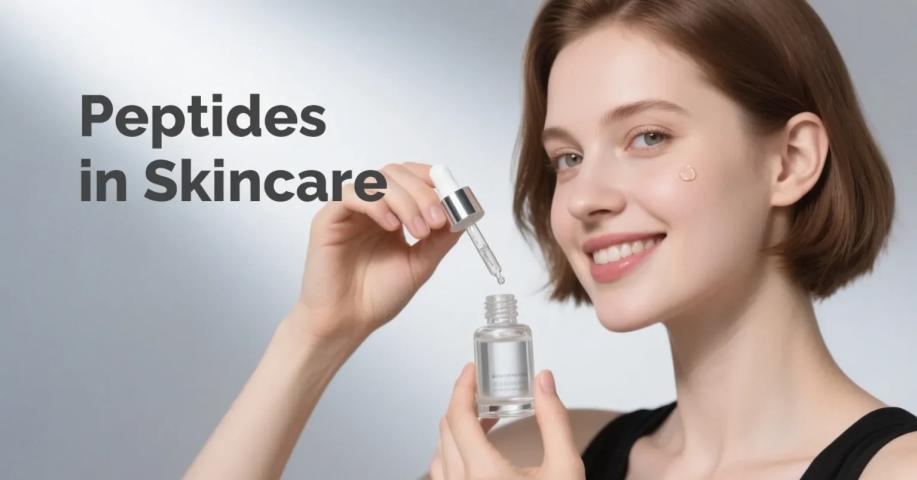
Peptides have become popular ingredients in modern skin and body care because they are involved in many biological processes. These short chains of amino acids act as building blocks for proteins and can be used in skincare products designed to support the appearance and condition of the skin. Depending on their structure, peptides may be included in formulations aimed at improving the appearance of fine lines, supporting the skin barrier, or promoting a smoother-looking complexion. Their popularity has also extended to wider body-care products, although results can vary depending on the specific peptide, formulation, and individual skin characteristics.
Supporting Collagen Production
One of the main reasons peptides are used in skincare is their relationship with collagen. Collagen is a structural protein that helps provide skin with firmness and elasticity. As people age, natural collagen production gradually decreases, which can contribute to visible lines and changes in skin texture.
Certain cosmetic peptides are formulated to signal or support processes associated with collagen production. With regular use, products containing suitable peptides may help improve the appearance of firmness and fine lines. However, skincare results are gradual and depend on the product and its ingredients. CJC 1295 UK Peptides are discussed in peptide-related body care, although their suitability and safety should be assessed carefully with professional guidance.
Improving Skin Firmness
Peptide-based skincare is often marketed for skin that looks less firm or elastic. By supporting processes involved in the skin's structure, some peptides may contribute to a smoother and firmer appearance.
This can be particularly useful for people who want to address visible signs of ageing without relying solely on heavier creams. Peptides are commonly combined with moisturising ingredients and antioxidants to create comprehensive skincare formulations.
Supporting the Skin Barrier
The skin barrier helps protect the body from environmental factors while reducing excessive moisture loss. When the barrier becomes weakened, skin can appear dry, rough, or uncomfortable.
Some peptide formulations are designed to support the skin's natural repair and protective functions. When combined with moisturisers and other barrier-supporting ingredients, they can form part of a routine aimed at maintaining healthier-looking skin.
Improving Skin Texture
Uneven texture can make the skin appear dull or less smooth. Peptide products are sometimes used to support a softer, smoother-looking complexion.
Consistent skincare can be important because cosmetic ingredients generally do not produce dramatic changes overnight. Peptides may work as part of a broader routine that includes cleansing, moisturising, and daily sun protection.
Supporting Hydration
Although peptides are not simply moisturisers, they can be included in formulations alongside ingredients that help maintain hydration. Well-hydrated skin often looks smoother and more supple.
Many peptide serums and creams therefore contain additional ingredients such as humectants, emollients, or occlusive components. Using these products consistently can help support the skin's overall appearance and comfort.
Helping With Visible Signs of Ageing
Fine lines, uneven texture, and reduced firmness are common concerns as skin ages. Peptides have attracted attention because certain cosmetic peptides may support the appearance of these characteristics.
They are often found in anti-ageing serums, eye creams, moisturisers, and neck-care products. Results should be viewed realistically, as skincare products can improve appearance but cannot stop the natural ageing process.
Use in Body Care
Peptides are not limited to facial skincare. They can also appear in body creams, lotions, and specialised products intended for areas where people notice changes in skin texture or firmness. Peptide research has also gained attention in other areas of health and wellness, including peptide injections for weight loss.
Body skin can experience dryness, environmental exposure, and natural ageing just like facial skin. Peptide-containing products may therefore be used as part of a wider body-care routine focused on maintaining smooth and healthy-looking skin.
Combining Peptides With Other Ingredients
Peptides can work alongside other skincare ingredients, which is why they are often included in multi-ingredient formulations. Hyaluronic acid may help support hydration, while antioxidants can help protect the skin from environmental stress.
Retinoids, vitamin C, exfoliating acids, and other active ingredients may also be used in skincare routines, although compatibility and irritation should be considered. Introducing several strong products at once can make it difficult to identify which ingredient is causing irritation.
Choosing a Peptide Product
Not all peptides are identical, and product quality and formulation can influence performance. When choosing a peptide skincare product, consider the complete ingredient list, intended use, product stability, and the manufacturer's guidance.
A reputable product should clearly identify its ingredients and provide appropriate instructions. People with sensitive skin may wish to patch-test new products before applying them more widely.
Conclusion:
Peptides support modern skin and body care by contributing to formulations designed to improve the appearance of firmness, texture, fine lines, and overall skin condition. Their connection with proteins such as collagen makes them particularly popular in anti-ageing products, while their use alongside moisturising and barrier-supporting ingredients can create a broader approach to skincare. However, different peptides and formulations can produce different results, so expectations should remain realistic. Choosing reputable products and using them consistently as part of a balanced skincare routine can help support healthier-looking skin over time.
Also, read: How Do Peptides Support Healthy Weight Management?