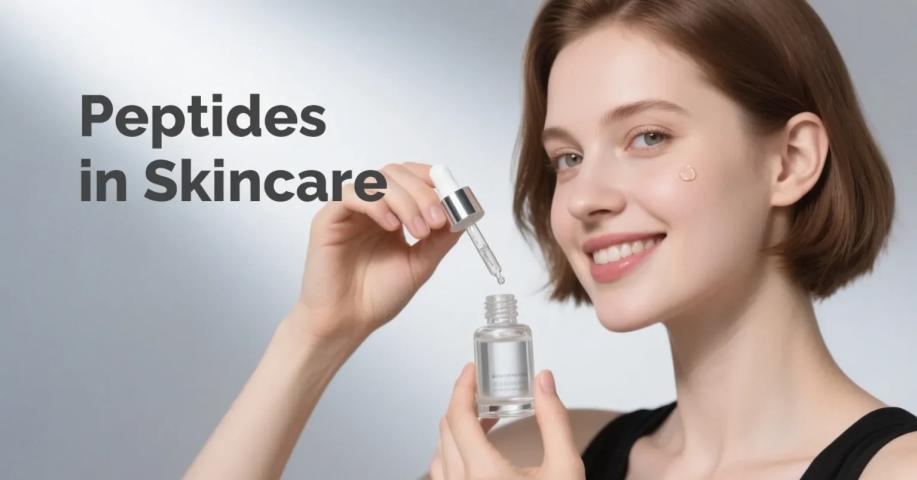

Aging skin needs more than just basic moisturization. As collagen production slows down, skin begins to lose firmness, elasticity, and smoothness. Fine lines and wrinkles start to appear. Many people now choose peptides as a powerful ingredient to support healthy, youthful-looking skin.
If you want to improve your anti-aging skincare routine, peptides can make a noticeable difference. In this guide, you will learn how peptides work, how to use them correctly, and how to combine them with other skincare ingredients for better results.
What Are Peptides and Why Do They Matter?
Peptides are short chains of amino acids. Amino acids form the building blocks of proteins like collagen and elastin. Your skin relies on collagen to stay firm and smooth.
When you apply peptide-based skincare products, you send signals to your skin to produce more collagen. This process helps reduce the appearance of wrinkles and improves skin texture over time.
Many skincare experts highlight the benefits of peptides for aging skin, especially for improving elasticity, hydration, and overall skin strength.
Step 1: Choose the Right Peptide Product
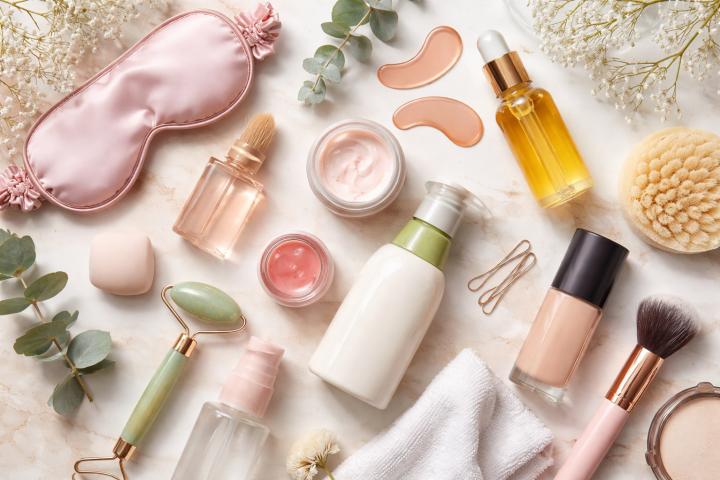
You can find peptides in different skincare products, including:
-
Serums
-
Moisturizers
-
Eye creams
-
Face masks
If you want stronger results, start with a peptide serum. Serums contain higher concentrations of active ingredients and penetrate deeper into the skin.
Look for ingredients such as:
-
Copper peptides
-
Signal peptides
-
Matrixyl
-
Palmitoyl peptides
Always check the ingredient list and choose products from trusted brands.
Step 2: Apply Peptides After Cleansing
You should apply peptide products on clean skin. Follow this simple routine:
-
Cleanse your face with a gentle cleanser.
-
Pat your skin dry.
-
Apply toner if you use one.
-
Apply your peptide serum.
Massage the serum gently into your skin using upward motions. Let the product absorb fully before moving to the next step.
Applying peptides on clean skin improves absorption and maximizes effectiveness.
Step 3: Layer Peptides Correctly
You need to layer your skincare products in the right order. Apply products from thinnest to thickest consistency.
Here is the correct order:
-
Cleanser
-
Toner
-
Peptide serum
-
Moisturizer
-
Sunscreen (morning routine)
If you use other treatment serums like vitamin C or hyaluronic acid, apply vitamin C first in the morning and peptides afterward. At night, you can apply peptides before heavier creams.
Step 4: Combine Peptides with Complementary Ingredients
Peptides work well with many other skincare ingredients. You can safely combine them with:
Hyaluronic Acid
Hyaluronic acid hydrates the skin and improves moisture retention. When you combine it with peptides, you enhance firmness and plumpness.
Niacinamide
Niacinamide strengthens the skin barrier and reduces redness. Together with peptides, it improves texture and resilience.
Ceramides
Ceramides protect your skin barrier. They help lock in moisture and support the repairing action of peptides.
Avoid mixing peptides with highly acidic products in the same routine if your skin feels sensitive. Always introduce new ingredients gradually.
Step 5: Use Peptides Consistently
Consistency delivers results. Apply peptide products once or twice daily, depending on the product instructions.
Most people see visible improvements after 6 to 12 weeks of regular use. You may notice:
-
Smoother skin texture
-
Reduced fine lines
-
Improved elasticity
-
Better hydration
Stay patient and follow your routine regularly.
Step 6: Protect Your Skin with Sunscreen
Sun exposure damages collagen and speeds up aging. Even the best peptide routine cannot work properly without sun protection.
Apply a broad-spectrum sunscreen every morning. Sunscreen protects your collagen and supports the anti-aging effects of peptides.
Step 7: Start Early but Use at Any Age
You can add peptides to your routine in your late 20s or early 30s as a preventive step. However, mature skin also benefits greatly from peptide-based products.
If your skin already shows signs of aging, peptides can still improve firmness and smoothness.
Common Mistakes to Avoid
Many people make small mistakes that reduce the effectiveness of peptides. Avoid these errors:
-
Skipping sunscreen
-
Using too many active ingredients at once
-
Expecting overnight results
-
Applying products in the wrong order
Follow a simple and consistent routine for better outcomes.
Who Should Use Peptides?
Peptides suit most skin types. People with dry, mature, or sensitive skin often see strong improvements. Unlike harsh anti-aging ingredients, peptides usually cause minimal irritation.
If you have sensitive skin, start with a lower concentration and monitor how your skin responds.
Final Thoughts
Adding peptides to your anti-aging skincare routine can significantly improve skin firmness, hydration, and overall appearance. Peptides support collagen production and help your skin repair itself naturally.
Start with a high-quality peptide serum, apply it consistently, and combine it with complementary ingredients. Protect your skin daily with sunscreen and follow a structured routine.
Over time, you will notice smoother, stronger, and healthier-looking skin.
If you want to understand the science and long-term impact, explore the complete guide on the benefits of peptides for aging skin to make informed skincare decisions.
Read Also:
Managing Retinol Irritation: Tips for Sensitive Skin
10 Reasons Why Micellar Water Is a Beauty Essential for Busy Women