Sustainability is no longer just a trend for modern businesses. It has become an important part of how organisations manage their operations, reduce environmental impact, and build trust with customers. From energy-efficient buildings to responsible waste management, companies across New Zealand are looking for practical ways to operate more sustainably.
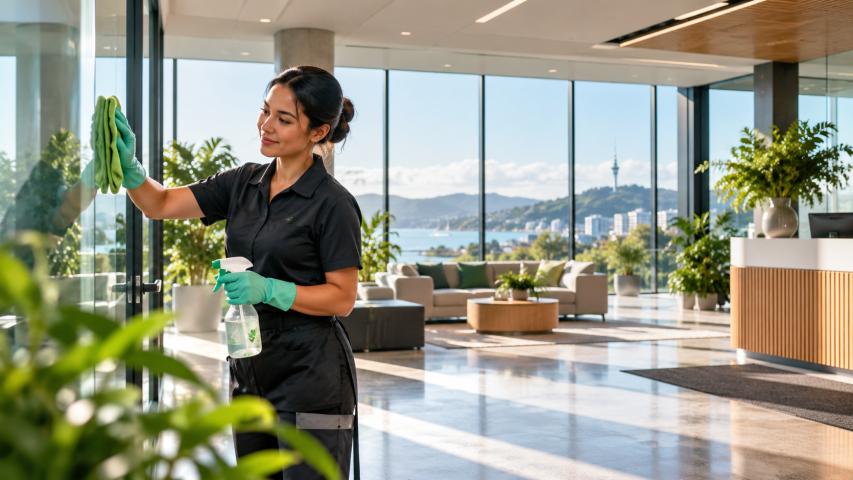
One area that often receives less attention is workplace cleaning. Traditional cleaning practices can involve excessive chemical use, unnecessary water consumption, and significant waste. However, sustainable commercial cleaning offers businesses an opportunity to maintain high hygiene standards while making environmentally responsible choices.
Why Sustainability Matters in Workplace Cleaning
Commercial buildings require regular cleaning to maintain safe, hygienic, and welcoming environments. Offices, retail stores, educational institutions, healthcare facilities, and industrial properties all have different cleaning requirements.
Although cleaning is essential, the methods and products used can influence a business's environmental footprint.
For example, excessive use of chemicals may increase environmental contamination, while disposable cleaning supplies can contribute to unnecessary waste. Inefficient equipment and poorly planned cleaning schedules may also increase energy and water consumption.
By adopting sustainable cleaning practices, businesses can reduce these impacts without compromising cleanliness.
The Growing Importance of Eco-Friendly Cleaning Products
One of the most significant developments in commercial cleaning is the increasing availability of environmentally responsible cleaning products.
Many conventional cleaning products contain substances that require careful handling and disposal. Eco-friendly alternatives are often designed to reduce environmental impact while maintaining effective cleaning performance.
- Businesses should consider products that offer:
- Biodegradable ingredients where appropriate
- Reduced packaging waste
- Responsible chemical formulations
- Clear safety instructions
- Effective cleaning performance for specific surfaces
Choosing suitable products is especially important in workplaces where employees and visitors regularly use shared facilities.
However, environmentally responsible cleaning involves more than simply switching products. Correct dilution, safe storage, appropriate application, and staff training are equally important.
Reducing Water and Energy Consumption
Water and electricity are essential resources in many commercial cleaning operations. Traditional methods may use more water than necessary, particularly when cleaning large floor areas, external surfaces, or industrial facilities.
Modern cleaning practices can help reduce resource consumption through improved equipment and better planning.
For example, microfiber cleaning systems can often achieve effective results using less water than conventional methods. Properly maintained floor-cleaning equipment can also improve efficiency.
Scheduling cleaning tasks strategically is another useful approach. Businesses can reduce unnecessary equipment use by grouping similar tasks and selecting suitable cleaning frequencies.
Small operational improvements can produce meaningful benefits when maintained consistently across multiple commercial properties.
The Role of Professional Cleaning Services
Implementing sustainable cleaning practices requires appropriate knowledge, equipment, and operational planning.
Professional cleaning providers can assess a property's specific requirements and develop a cleaning programme that balances hygiene, efficiency, and environmental responsibility.
For organisations seeking reliable commercial cleaning services in Hawke's Bay, working with an experienced provider can make it easier to establish consistent cleaning standards.
A professional cleaning plan may include regular workplace cleaning, scheduled deep cleaning, floor maintenance, high-touch surface cleaning, and waste management procedures.
The right approach depends on factors such as building size, employee numbers, operational hours, and the activities performed within the premises.
Rather than applying the same routine to every property, businesses benefit from cleaning programmes developed around their actual needs.
How Technology Is Improving Commercial Cleaning
Technology is also changing how commercial cleaning services are delivered and managed.
Digital scheduling tools help cleaning teams organise tasks efficiently, while mobile applications make it easier to record completed work and communicate with clients.
Some providers use digital inspection checklists, photographic reporting, and real-time job tracking to improve accountability.
These systems offer several advantages.
First, they create clearer records of completed cleaning activities. Second, they help managers identify recurring maintenance issues. Third, they allow businesses to communicate service requests without relying entirely on telephone calls or paperwork.
Technology can also support environmental goals by helping cleaning providers identify inefficient routines and reduce unnecessary site visits.
For commercial property managers responsible for multiple facilities, transparent reporting is particularly valuable.
Supporting Employee Comfort and Business Reputation
The condition of a workplace influences how employees, customers, and visitors perceive a business.
Clean reception areas, maintained washrooms, presentable floors, and organised shared spaces contribute to a professional environment.
Sustainable cleaning adds another dimension by demonstrating that a business considers the environmental impact of its everyday operations.
This can be particularly relevant for organisations with sustainability policies, supplier requirements, or environmental performance objectives.
Choosing cleaning partners with documented environmental practices may also support broader procurement and reporting goals.
For example, The Clean Crew provides commercial and industrial cleaning services across Hawke's Bay and promotes carbon-neutral operations alongside technology-supported quality reporting.
Businesses should evaluate a provider's environmental claims, service procedures, and relevant certifications rather than relying on marketing statements alone.
Building a Long-Term Sustainable Cleaning Strategy
Sustainable cleaning is most effective when it becomes part of a business's regular operational planning.
A practical strategy begins with understanding the property's cleaning needs. Managers should identify high-traffic areas, frequently touched surfaces, specialised equipment, and spaces requiring additional attention.
The next step involves reviewing existing cleaning products, equipment, and waste disposal practices.
Businesses can then establish realistic improvement goals, such as reducing disposable materials, improving water efficiency, or introducing documented cleaning inspections.
Staff involvement is also important. Employees should understand how to maintain shared spaces and report cleaning concerns before they become larger problems.
Finally, businesses should review cleaning performance regularly. Monitoring service quality, resource consumption, and feedback helps determine whether the cleaning programme continues to meet operational expectations.
A successful approach should remain practical, measurable, and adaptable as workplace requirements change.
Conclusion
Sustainable commercial cleaning represents an important opportunity for New Zealand businesses to combine environmental responsibility with effective workplace maintenance.
By choosing appropriate products, improving resource efficiency, introducing technology, and working with experienced cleaning professionals, organisations can maintain welcoming environments while reducing unnecessary environmental impacts.
As sustainability expectations continue to evolve, businesses that integrate responsible cleaning practices into their everyday operations will be better positioned to meet changing customer expectations and long-term operational goals.
Ultimately, sustainable cleaning is not about compromising hygiene to protect the environment. It is about finding smarter, more efficient ways to achieve both.