
The PEEK Price
Trend in Q2 2026 showed a steady upward movement across global markets
as higher transportation costs, geopolitical tensions in the Middle East, and
limited production capacity affected the supply of high-performance engineering
plastics.
Polyether Ether Ketone (PEEK) is widely
used in industries that require materials capable of handling high
temperatures, mechanical stress, and demanding operating conditions. During the
second quarter, these requirements continued to support demand from the
automotive, aerospace, medical, electronics, and industrial sectors.
At the same time, shipping disruptions
and elevated production expenses made procurement more expensive, putting
upward pressure on prices in several regions.
👉👉👉Please submit your query to get PEEK Price Trend, forecast and market
price analysis: https://www.price-watch.ai/book-a-demo/
Global PEEK Market Overview in Q2 2026
The global PEEK market experienced
increasing price pressure during Q2 2026. The main reasons were higher
logistics costs, uncertain shipping conditions, and the limited availability of
material from international suppliers.
Unlike commonly used plastics, PEEK is a
specialised engineering polymer that requires advanced manufacturing processes.
Its production is more complex, and global manufacturing capacity is relatively
limited.
As a result, even a temporary disruption
in supply can influence prices and delivery schedules.
Geopolitical tensions in the Middle East
played an important role during the quarter. The temporary closure of the
Strait of Hormuz during April and May disrupted shipping movements and created
uncertainty across international supply chains.
Freight charges increased, shipments
faced delays, and buyers in several regions experienced longer delivery lead
times.
These developments affected the movement
of high-performance engineering polymers, including PEEK. Importers had to
manage higher transportation expenses and allow more time for material
deliveries. In some cases, buyers needed to place orders earlier than usual to
maintain sufficient inventory for their production requirements.
Production costs also contributed to the
upward movement. Energy consumption, specialised processing requirements, and
other manufacturing expenses continued to influence supplier pricing. Since
PEEK is used in applications where material performance is critical, buyers
cannot always replace it with a cheaper plastic without changing the design or
performance of the finished product.
Key Factors Influencing PEEK Prices
Several factors contributed to the
movement of PEEK prices during Q2 2026. Understanding these factors helps
manufacturers, distributors, and procurement teams assess the market more
effectively.
1. Geopolitical Tensions and Shipping
Disruptions
International shipping plays an
important role in the supply of specialised engineering plastics. When major
shipping routes face disruptions, suppliers and importers may experience longer
transit times, higher freight charges, and uncertainty about delivery
schedules.
During April and May 2026, disruptions
associated with the temporary closure of the Strait of Hormuz increased
logistical uncertainty. Although the effects varied by trade route and
supplier, the broader situation contributed to higher transportation expenses
and delayed shipments.
For buyers who depend on imported PEEK,
delayed arrivals can make it more difficult to maintain production schedules.
If available inventories become limited, suppliers may have greater flexibility
in setting prices. This was one of the factors supporting the upward PEEK Price
Trend during the quarter.
2. High Production and Energy Costs
PEEK requires specialised manufacturing
processes and carefully controlled production conditions. The cost of energy,
processing equipment, raw materials, and quality control can therefore
influence its final market price.
During Q2 2026, elevated energy costs
added pressure to the manufacturing and supply chain. Higher operating expenses
can increase the minimum price suppliers need to maintain their margins.
The impact is particularly important for
high-performance polymers because production cannot always be increased quickly
when demand rises. Manufacturers must consider processing requirements,
available capacity, and product quality before expanding output.
3. Limited Global Manufacturing Capacity
PEEK is a specialised polymer rather
than a mass-market plastic. Its production requires technical expertise,
suitable equipment, and strict quality standards. This limits the number of
suppliers capable of producing material that meets demanding industrial
specifications.
When demand remains firm while supply is
disrupted, buyers may find fewer immediately available alternatives. Limited
capacity can also slow the market's response to sudden increases in demand.
These conditions helped keep the global
market firm during Q2 2026. Even as shipping conditions began to improve, the
combination of restricted capacity and elevated production costs continued to
support supplier offers.
4. Steady Demand from Industrial Users
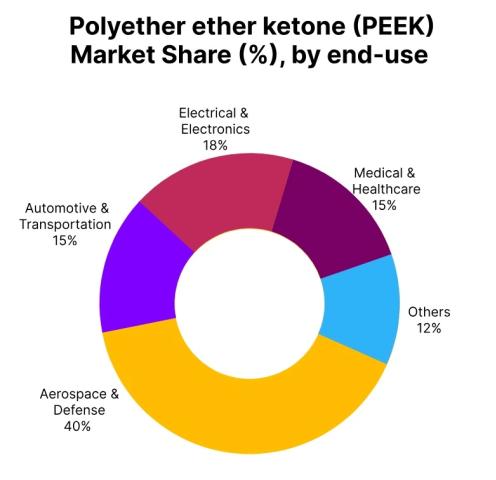
Demand for PEEK remained healthy across
several important end-use industries during the quarter. Automotive
manufacturers use high-performance polymers in selected components that require
durability and resistance to heat. Aerospace applications require lightweight
materials that can perform under demanding conditions.
The medical industry also uses
specialised PEEK grades in applications where strength, stability, and
appropriate material properties are important. Electronics and industrial
equipment manufacturers use the polymer in components that need to withstand challenging
operating environments.
Because these applications often have
strict performance requirements, buyers may continue purchasing PEEK even when
prices rise. This relatively specialised demand helped support market prices
during Q2 2026.
PEEK Price Trend in India: Q2 2026
In India, the PEEK Price Trend recorded
an increase of 1.62% in Q2 2026 compared with Q1 2026. The upward
movement was supported by higher production costs, import-related disruptions,
increased freight expenses, and steady demand from domestic industries.
The assessment covered domestic prices
on an ex-Mumbai basis for low-flow, unreinforced injection-moulding grade
PEEK with an MFR of 3. This specification is important because the price of
PEEK can vary according to grade, melt flow characteristics, reinforcement,
quality requirements, and intended application.
India relies on international supply
chains for specialised engineering polymers. As a result, changes in overseas
availability and shipping costs can influence domestic procurement expenses.
During April and May 2026, delayed imported shipments reduced the immediate
availability of some materials and extended delivery lead times.
Importers and downstream manufacturers
had to consider not only the material price but also freight charges, delivery
schedules, and the cost of maintaining adequate inventory. When replacement
shipments become more expensive or take longer to arrive, buyers may face
higher overall procurement costs.
Elevated crude oil and energy costs also
contributed to the pressure on manufacturing and transportation expenses.
Although PEEK pricing is not determined by crude oil alone, changes in energy
and petrochemical supply chains can influence operating costs and the broader
cost of imported materials.
Domestic demand remained steady during
the quarter. Automotive, medical, electronics, and industrial manufacturers
continued to require specialised materials for applications where conventional
plastics may not provide the necessary performance.
The combination of firm demand and
higher supply costs helped maintain upward price pressure in India. However,
the increase remained relatively moderate compared with the more pronounced
effects that shipping disruptions can have on markets facing tighter immediate
supply.
June 2026 Market Movement in India
In June 2026, PEEK prices in
India increased by a further 0.21%. The movement was relatively
small, indicating that the market continued to experience upward pressure
without a sharp monthly increase.
Supply conditions improved gradually as
the effects of earlier shipping disruptions began to ease. However, improved
availability did not immediately remove the cost pressures that had developed
during the previous months.
Freight expenses, elevated production
costs, and steady industrial demand continued to support domestic prices.
Buyers also had to account for the time required to replenish inventories and
restore normal procurement schedules.
The June movement suggests that the
Indian market remained firm even as supply conditions improved. It also
highlights the importance of separating short-term logistics disruptions from
longer-term cost factors. A recovery in shipment availability can reduce
immediate supply concerns, but prices may remain elevated if production and
operating expenses continue to be high.
Understanding the PEEK Price Chart
The PEEK Price Chart is a useful tool
for understanding how market prices change over time. It allows buyers,
procurement managers, and market observers to compare quarterly and monthly
movements and identify periods of increasing or moderating price pressure.
For Q2 2026, the reported Indian
quarterly increase of 1.62% compared with Q1 indicates that the market moved
higher over the assessment period. The additional 0.21% increase in June shows
that prices continued to rise toward the end of the quarter, although the
monthly change was limited.
When reviewing a price chart, it is
important to consider the reasons behind each movement rather than focusing
only on the percentage change. A price increase caused by temporary shipping
delays may behave differently from one driven by persistent production
constraints or stronger end-use demand.
Buyers should also compare prices for
the same grade, specification, delivery terms, and location. For example, an
unreinforced injection-moulding grade may not be directly comparable with a
reinforced or specially modified PEEK grade. Similarly, an ex-Mumbai domestic
assessment may differ from an overseas offer because of freight, import costs,
and other commercial conditions.
Tracking these details makes the PEEK
Price Chart more useful for budgeting, purchasing decisions, and supplier
negotiations.
What the PEEK Price Index Indicates
The PEEK Price Index helps market
participants understand the direction and relative strength of price movements
over a selected period. It can be used alongside supply, demand, and cost
information to assess whether the market is becoming firmer, stabilising, or
moving toward a correction.
During Q2 2026, the index remained
elevated as gradual supply recovery was offset by continued production costs
and healthy downstream demand. This suggests that improved shipping conditions
alone were not enough to remove the factors supporting supplier prices.
For Indian buyers, the quarterly
increase provides a useful indication of the direction of the market. However,
the reported percentage change should be interpreted within the specific grade
and location covered by the assessment. It should not automatically be applied
to every PEEK product or contract.
An index is most useful when it is
monitored consistently over several months. Comparing quarterly movements with
monthly changes can help buyers distinguish between short-term price
fluctuations and a more persistent market trend.
Demand Outlook Across Major Industries
The outlook for PEEK demand remains
closely connected to industries that require specialised materials.
Automotive:
Manufacturers continue to look for materials that can provide durability,
reduced weight, and reliable performance in selected components. These
requirements can support demand for suitable PEEK grades.
Aerospace:
Aerospace applications often require materials that can withstand demanding
temperatures and mechanical conditions. This supports the role of
high-performance polymers in specialised components.
Medical:
Medical applications can require materials with specific mechanical, chemical,
and biological performance characteristics. Demand depends on the application,
required grade, and applicable standards.
Electronics:
PEEK can be used in selected electronic and electrical components where thermal
stability and mechanical performance are important.
Industrial equipment:
Machinery and industrial systems may require polymers that can perform under
heat, friction, or demanding operating conditions. Such requirements can
support specialised material consumption.
Although these sectors provide a
foundation for demand, actual purchasing volumes can vary with production
schedules, project activity, inventory levels, and economic conditions. Higher
prices may also encourage buyers to review material usage and reduce
unnecessary consumption.
PEEK Price Forecast: Factors to Watch
After Q2 2026
The future direction of PEEK prices will
depend on how shipping conditions, production expenses, supply availability,
and downstream demand develop. A sustained improvement in logistics could
reduce freight pressure and help importers receive material more consistently.
However, lower transportation costs
would not necessarily lead to an immediate price decline. Manufacturing
expenses and limited global capacity may continue to support supplier pricing.
If demand remains steady, suppliers may have less reason to reduce prices
significantly.
On the other hand, weaker industrial
purchasing, improved inventory availability, or increased competition among
suppliers could moderate price growth. Buyers may also adjust their procurement
strategies by placing orders earlier, comparing delivery terms, and reviewing
inventory requirements.
For India, import costs and the timing
of overseas shipments will remain important factors. Changes in the exchange
rate, freight charges, port conditions, and supplier availability can affect
the final landed cost of imported material.
The most practical approach is to
monitor monthly price assessments alongside changes in logistics, production
costs, and end-use demand. The Q2 2026 increase provides useful context, but it
should not be treated as a guarantee of future price movements.
Conclusion
The PEEK Price Trend in Q2 2026
reflected the combined effects of geopolitical tensions, shipping disruptions,
higher production expenses, and steady demand from specialised industrial
sectors. Globally, delayed shipments and limited manufacturing capacity
contributed to firm pricing. In India, prices for low-flow, unreinforced
injection-moulding grade PEEK with an MFR of 3 increased by 1.62% compared with
Q1 2026, followed by a further 0.21% increase in June.
The quarter demonstrated that PEEK
pricing depends on more than raw material costs alone. Freight expenses, import
availability, production requirements, and the performance needs of downstream
industries all influence market conditions. Even when supply begins to improve,
elevated operating costs and healthy demand can keep prices firm.
Going forward, buyers should monitor the
PEEK Price Chart and PEEK Price Index alongside developments in shipping,
manufacturing capacity, and industrial demand. A balanced understanding of
these factors can help businesses plan procurement more effectively, manage
inventory, and prepare for possible price changes. While improved logistics may
ease some pressure, the market's future direction will depend on whether supply
normalises faster than production costs and demand change.
👉👉👉Please submit your query to get PEEK Price Trend, forecast and market
price analysis: https://www.price-watch.ai/book-a-demo/
About
Price Watch™
Price Watch™ is an independent raw material price reporting
agency that provides real-time price forecasts and data-driven insights into
global raw material markets. Price-Watch™ specializes in tracking raw material
prices, analyzing market trends. and delivering timely updates on plant
shutdowns, supply disruptions, capacity expansions, and demand-supply dynamics.
The Price-Watch™ platform empowers manufacturers, traders, and procurement
professionals to make faster, smarter decisions. Leveraging AI-powered
forecasting and over a decade of historical data, Price-Watch™ transforms
market volatility into actionable opportunity.
Futura Tech
Park,
C Block,
8th floor 334,
Old
Mahabalipuram Road,
Sholinganallur,
Chennai,
Tamil Nadu,
Pincode - 600119.
LinkedIn:
https://www.linkedin.com/company/price-watch-ai/
Facebook:
https://www.facebook.com/people/Price-Watch/61568490385598/
Twitter: https://x.com/pricewatchai
Website: https://www.price-watch.ai/