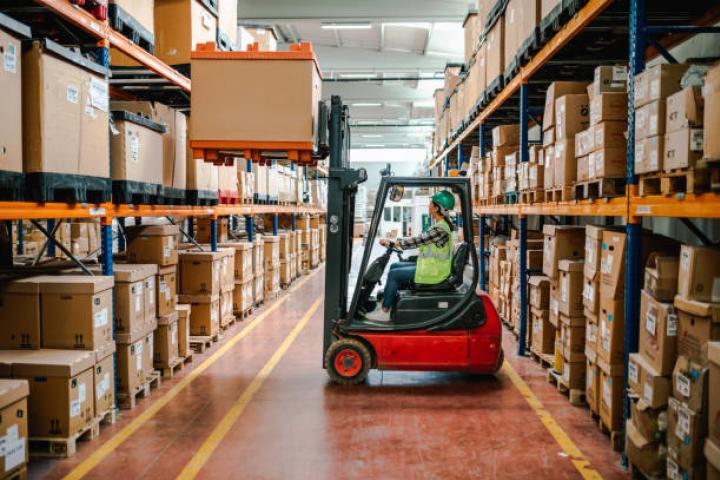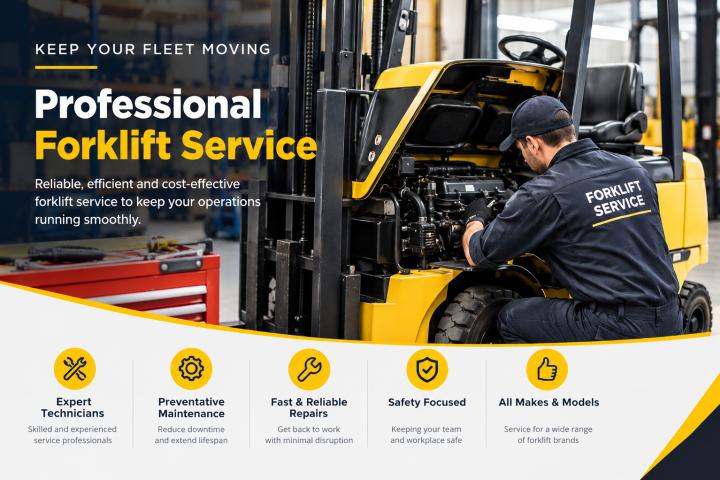
A forklift that runs smoothly can make a busy working day much easier. Goods move where they need to go, deliveries stay on schedule, and employees can get on with their jobs without unnecessary interruptions. But when a forklift develops a fault, even a small problem can quickly affect the entire operation.
This is why regular forklift service matters. Whether you operate a single forklift or manage a fleet across a large warehouse, keeping your equipment properly maintained helps reduce unexpected breakdowns, supports workplace safety, and protects your investment over time.
Forklifts are built to handle demanding work, but they are not maintenance-free. Regular inspections, timely repairs, and professional servicing all play an important role in keeping them in good working condition.
Why Is Regular Forklift Service Important?
Forklifts often work in challenging environments. They may carry heavy loads, operate for several hours a day, navigate tight spaces, and move across surfaces that put pressure on their tyres and mechanical components.
Over time, this repeated use can lead to wear and tear. Without proper maintenance, minor issues can develop into more serious faults that are expensive to repair and may cause avoidable downtime.
Regular forklift servicing helps identify potential problems before they interrupt daily operations. It also gives technicians an opportunity to inspect important components, assess equipment condition, and recommend repairs when necessary.
There are several benefits to maintaining a consistent servicing schedule:
- Improved reliability: Regular maintenance helps reduce the likelihood of unexpected equipment failures.
- Safer operation: Checking brakes, steering, lifting systems, and other safety-critical components helps identify potential hazards.
- Lower repair costs: Addressing smaller problems early may prevent more extensive damage.
- Better productivity: Equipment that performs reliably helps workers complete material handling tasks with fewer interruptions.
- Longer equipment life: Appropriate maintenance can help protect valuable machinery and delay premature replacement.
The exact servicing requirements depend on the forklift model, manufacturer recommendations, operating hours, and working conditions.
What Does a Forklift Service Include?
A professional forklift service involves more than simply checking whether the machine starts and moves. Technicians inspect key systems to assess their condition, identify faults, and determine whether maintenance or repairs are required.
The precise checks will vary depending on the forklift type, but a typical service may include the following areas.
1. Brakes and Steering
Brakes and steering are essential for controlling a forklift safely, particularly when moving heavy loads or working in restricted spaces.
During servicing, these systems may be checked for excessive wear, unusual operation, leaks, or other signs of trouble. Any defect affecting safe control should be addressed before the forklift returns to service.
2. Tyres and Wheels
Tyres influence stability, traction, and the way a forklift handles different surfaces. Worn, damaged, or incorrectly maintained tyres can affect performance and increase safety risks.
A technician may inspect tyre condition, wheel components, and signs of uneven wear. The appropriate checks depend on whether the forklift uses solid tyres, pneumatic tyres, or another configuration.
3. Hydraulic Systems
Hydraulics allow a forklift to raise, lower, and tilt its loads. Problems with hydraulic hoses, seals, cylinders, or fluid levels can affect lifting performance and may create additional hazards.
A service inspection can help identify leaks, damaged components, and irregular operation before they become more serious issues.
4. Mast, Forks and Lifting Chains
The lifting assembly handles significant forces during everyday operations. Forks, chains, mast components, and attachments need to remain in suitable condition for the work being performed.
Servicing may include checking for visible damage, wear, loose components, or other defects. Any concerns about load-bearing parts should be assessed by a competent professional.
5. Engine, Battery and Electrical Components
The maintenance requirements of a forklift depend partly on its power source.
Internal combustion forklifts may require engine-related checks, fluid inspections, and filter maintenance. Electric forklifts may need attention to their batteries, charging equipment, electrical connections, and associated systems.
Following the manufacturer's maintenance instructions helps ensure that the correct procedures are used for each machine.
Warning Signs Your Forklift Needs Servicing
Forklifts do not always stop working without warning. In many cases, changes in performance can indicate that something needs attention.
Keep an eye out for unusual noises, excessive vibration, difficulty steering, reduced lifting performance, fluid leaks, warning lights, or changes in braking behaviour.
You may also notice that a forklift takes longer to start, struggles to perform familiar tasks, or develops problems that appear only after operating for a while.
These signs should not be ignored. If a fault could affect safe operation, stop using the equipment and arrange an inspection by a qualified technician or other appropriately competent service professional.
Trying to continue working through a mechanical problem can make the damage worse and expose operators and nearby workers to unnecessary risk.
How Often Should a Forklift Be Serviced?
There is no single servicing interval that suits every forklift. A machine used for several shifts in a busy distribution centre may need more frequent attention than one used occasionally in a small workshop.
The best starting point is the manufacturer's maintenance schedule. From there, servicing requirements should take account of operating hours, load intensity, environmental conditions, and the results of inspections.
For example, forklifts working in dusty environments may require particular attention to filters and cooling systems. Equipment exposed to moisture, rough surfaces, or intensive daily use may experience different maintenance demands.
Keeping accurate service records is also helpful. Records can show when maintenance was completed, which components were repaired, and whether recurring issues need further investigation.
A planned maintenance schedule makes it easier to organise servicing around business operations instead of waiting for a breakdown to force an unexpected interruption.
Daily Checks and Professional Servicing Work Together
Professional forklift servicing is essential, but it should not replace routine checks by trained operators.
Before using a forklift, operators should follow the workplace's pre-use inspection procedure. Depending on the equipment, this may involve checking the tyres, forks, visible hydraulic lines, warning devices, brakes, lights, and other relevant safety features.
Any defect should be reported promptly and managed according to workplace procedures. A forklift with a safety-critical fault should not be used until it has been assessed and made safe.
These daily checks help identify obvious problems between scheduled services. Professional maintenance, meanwhile, provides a more detailed assessment of the machine's condition and helps address wear that may not be apparent during a basic visual inspection.
Together, these practices support a more reliable maintenance routine.
Choosing the Right Forklift Service Provider
When arranging forklift service, it is worth looking beyond the initial price. The quality of the inspection, the technician's relevant experience, and the clarity of the service recommendations can all affect the value you receive.
Choose a provider with suitable experience working on your type of forklift and ask what the service includes. It is also useful to understand how repairs are quoted, whether replacement parts are required, and how urgent faults are handled.
A good service provider should explain identified problems clearly and help you understand which issues need immediate attention and which can be planned for future maintenance.
For businesses that rely on forklifts every day, building a dependable servicing relationship can make equipment management easier and help reduce avoidable disruption.
Keep Your Forklift Working at Its Best
Forklifts are an important part of many businesses, but their reliability depends on more than the quality of the machine itself. Consistent maintenance, prompt attention to faults, and responsible operation all contribute to better performance over time.
Regular forklift service helps identify wear, maintain essential systems, and reduce the risk of unexpected breakdowns. Combined with daily operator checks and proper training, it also supports a safer working environment.
Rather than waiting until a forklift develops a serious fault, make servicing part of your normal equipment management plan. It is a practical way to protect your investment, keep work moving, and give your team greater confidence in the equipment they use every day.
If your forklift is due for maintenance or showing signs of a problem, arrange an inspection with a suitable forklift service provider and discuss the maintenance requirements for your equipment.