
In today’s digital landscape, building a high-performing, scalable, and secure website requires more than just creativity and design—it involves selecting the right technology stack. The choice of the technology stack can significantly influence your website’s speed, functionality, security, and long-term maintainability. However, with a wide array of programming languages, frameworks, databases, and tools available, it can be overwhelming to determine the ideal combination for your project.
In this comprehensive guide, we will explore what is tech stack, the key considerations, and the steps for selecting the right technology stack for your website. Additionally, we will highlight how Vasundhara Infotech, a leading web development services provider, can assist you in making the right choice for your project.
What Is a Technology Stack?
A technology stack refers to the combination of tools, frameworks, programming languages, and software used to build a website or web application. It includes both front-end and back-end technologies that work together to deliver the complete functionality of a website.
The front end refers to the user interface (UI) and the experience users have when interacting with the website, while the back end encompasses the server, database, and application that power the site behind the scenes.
Also read: Top Website Development Company With 10 Years Of Experience
Why Is Choosing the Right Technology Stack Important?
Selecting the right technology stack is crucial because it directly impacts:
- Website Performance:
The technologies chosen affect the speed, responsiveness, and overall performance of your site.
- Scalability:
As your business grows, your website needs to scale efficiently without causing downtime or performance issues.
- Security:
The right stack ensures that your website is secure and less vulnerable to threats or breaches.
Development Time and Cost: Some stacks are quicker and more affordable to develop with, while others may require more time and resources.
- Maintenance:
A well-chosen stack simplifies future updates and the maintenance process.
Choosing an inappropriate stack can lead to performance bottlenecks, high maintenance costs, and difficulties in scaling.
Also read: How To Choose the Right Web Development Company
Components of a Tech Stack For Web Development
The technology stack for a website can be divided into two primary components:
a. Front-End Technology Stack
The front end is what users interact with. It involves design elements, navigation, and functionality that create a seamless experience. Popular front-end technologies include:
- HTML/CSS:
The backbone of website structure and design.
- JavaScript:
Enables dynamic features and interactivity.
- Frameworks:
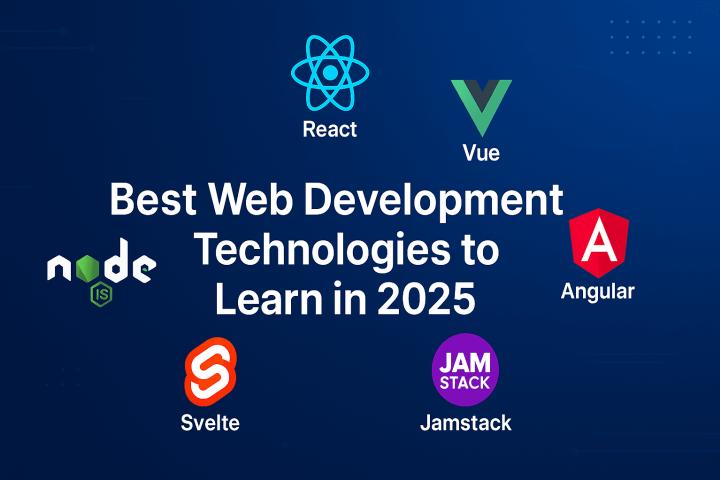
React js, Angularjs, and Vue.js are popular JavaScript frameworks used for building responsive and user-friendly interfaces.
b. Back-End Technology Stack
The back end handles everything that happens on the server, including database operations, business logic, and server-side functionality. Essential back-end components include:
- Programming Languages:
Python, Java, Ruby, PHP, Node js, and .NET are widely used languages for back-end development.
- Frameworks:
Django (Python), Ruby on Rails (Ruby), Laravel (PHP), and Express (Node.js) are common frameworks.
- Databases:
SQL (e.g., MySQL, PostgreSQL) or NoSQL (e.g., MongoDB, Firebase) databases store and manage data.
- Servers:
Apache, Nginx, and cloud platforms like AWS and Microsoft Azure are used for hosting and server management.
Also read: Choosing the Right Technology Stack for Your E-commerce App
Factors to Consider When Choosing a Technology Stack
When determining the right technology stack for your website, there are several factors to evaluate:
Project Type and Requirements
The type of website you are building will influence your choice of technology. For example:
- E-commerce Websites:
Require robust back-end infrastructure for handling payments, managing product inventories, and providing a secure shopping experience.
- Content Websites:
Prioritize CMS (Content Management System) solutions like WordPress for easy management of blog posts, news articles, etc.
- Single-Page Applications (SPAs):
Often built using JavaScript frameworks like Angular, React, or Vue.js to provide a seamless user experience.
Scalability
If you anticipate rapid growth or a high volume of users, choose a stack that supports scalability. Node.js and Python are known for their scalability, while cloud-based infrastructure like AWS or Azure can dynamically adjust server resources.
Performance
Your website’s performance hinges on the speed and efficiency of the technologies you choose. A fast-performing web stack will ensure that your website loads quickly, providing a better user experience.
For high-performance websites, choose React.js or Vue.js for the front end, and Node.js or Go for the back end.
Development Speed
If you are on a tight deadline, opt for a stack that allows for rapid development. Frameworks like Ruby on Rails and Laravel accelerate the development process with their built-in functionalities and libraries.
Cost of Development
Some technology stacks are more affordable to work with than others. Open-source stacks like LAMP (Linux, Apache, MySQL, PHP) are budget-friendly, while licensed software and complex tools may increase costs.
Security
Security should be a top priority, especially for websites handling sensitive data. Certain frameworks like Django (Python) and Ruby on Rails come with robust security features that protect against common threats like SQL injection and XSS attacks.
Also read: How to Maximize Website Performance through Analytics
Popular Technology Stacks for Website Development
Here are five popular tech stacks for web development that are widely used in web development:
MEAN Stack
- MongoDB (NoSQL database)
- Express.js (Back-end framework)
- Angular.js (Front-end framework)
- Node.js (Server environment)
The MEAN stack is ideal for building dynamic single-page applications and provides a seamless JavaScript development environment.
MERN Stack
- MongoDB (NoSQL database)
- Express.js (Back-end framework)
- React.js (Front-end framework)
- Node.js (Server environment)
The MERN stack is similar to the MEAN stack but uses React.js instead of Angular.js for the front end. This is a good choice for building highly interactive user interfaces.
LAMP Stack
- Linux (Operating system)
- Apache (Web server)
- MySQL (Relational database)
- PHP (Back-end scripting language)
The LAMP stack is a traditional and widely used stack for building dynamic websites and web applications.
Django Stack
- Django (Python framework)
- PostgreSQL (Relational database)
- JavaScript (Front-end)
Django is a high-level Python framework that allows for rapid development, making it an excellent choice for data-driven websites.
Ruby on Rails Stack
- Ruby on Rails (Back-end framework)
- PostgreSQL (Relational database)
- JavaScript (Front-end)
Ruby on Rails is a developer-friendly framework that supports rapid development and clean code, making it popular for startups and MVPs (Minimum Viable Products).
How to Choose the Right Technology Stack: Step-by-Step Guide
Here’s a step-by-step guide to help you select the best technology stack for your website:
Step 1: Define Your Website’s Requirements
Identify the key features and functionality your website needs. Will you require real-time data updates? Do you need high interactivity or complex back-end processing?
Step 2: Consider Your Team’s Expertise
Leverage the expertise of your development team. If your developers are experienced with certain frameworks or languages, it makes sense to use those technologies.
Step 3: Evaluate the Project’s Scalability Needs
If you anticipate rapid growth or traffic spikes, choose a stack that supports scaling. Frameworks like Node.js are great for handling high loads, while cloud solutions provide scalability on demand.
Step 4: Budget and Time Constraints
Work within your budget and timeline. If you need to get your website up quickly, opt for frameworks that support rapid development, like Ruby on Rails or Laravel.
Step 5: Long-Term Maintenance and Support
Consider how easy it will be to maintain your website in the long run. Popular open-source frameworks have large communities that ensure long-term support, which can be crucial for future updates and bug fixes.
How Vasundhara Infotech Can Help with Website Development
At Vasundhara Infotech, we understand the complexities of choosing the right technology stack for your website. Our experienced team of web developers specializes in a wide range of modern technologies, ensuring that we tailor the best stack to meet your business needs.
Why choose Vasundhara Infotech for your website development services:
- Custom Solutions:
We offer fully customized Custom website development services based on your unique business requirements and goals.
- Expert Developers:
Our developers have expertise in front-end and back-end technologies, including React.js, Node.js, PHP, Python, Laravel, and more.
- Scalability and Performance:
We ensure that your website is built with scalability and performance in mind, so it can grow with your business.
- Security:
We prioritize security at every stage of development, implementing the latest security protocols and best practices.
- Ongoing Support:
We provide ongoing support and maintenance to keep your website up-to-date and functioning optimally.
Whether you need a dynamic e-commerce platform, a content-driven website, or a complex web application, Vasundhara Infotech is here to help you select the right technology stack and deliver a high-quality solution that meets your business needs.
Conclusion
Choosing the right technology stack is crucial for building a successful website that meets your business needs. Whether you’re creating a simple blog or a complex web application, the stack you select will impact your site’s performance, scalability, security, and development time. By carefully evaluating your project’s requirements, scalability needs, and development expertise, you can make an informed decision.
At Vasundhara Infotech, we are committed to helping businesses choose the right technology stack for their websites. Our experienced team will guide you through the process and deliver a tailored solution that ensures success. Contact us today to start building your next website with the perfect technology stack.