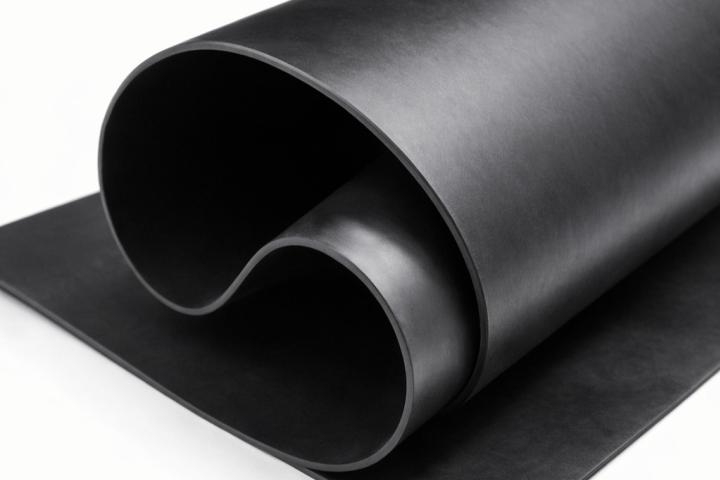
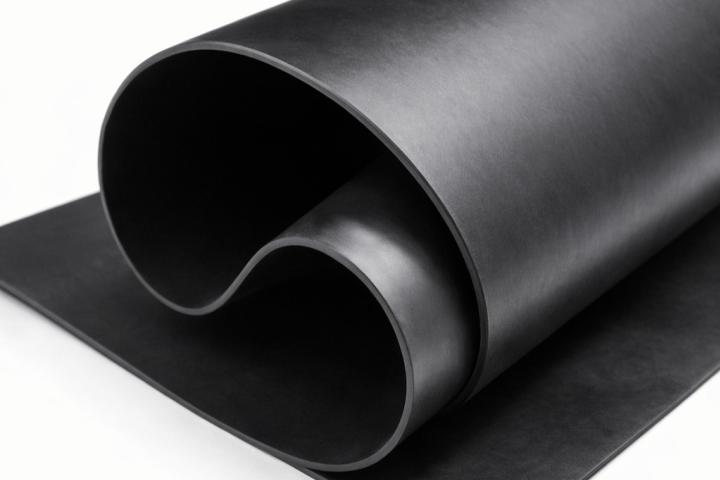
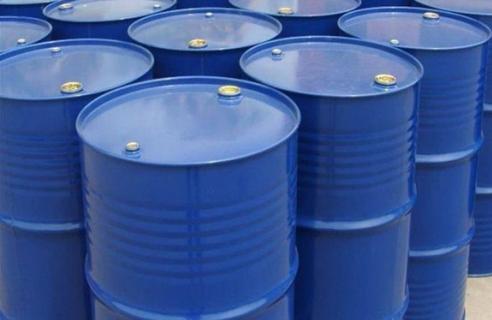
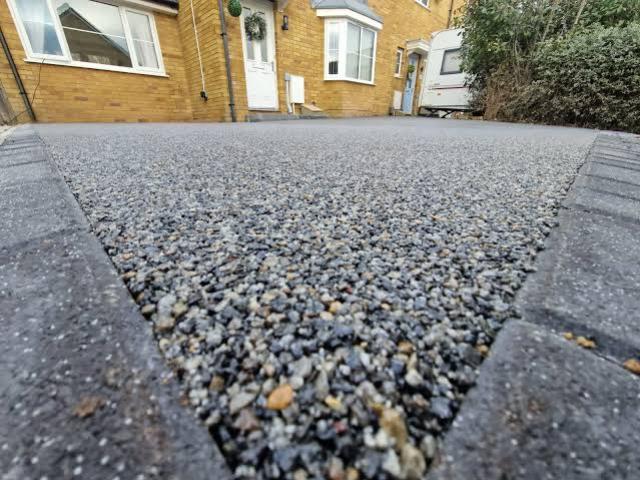
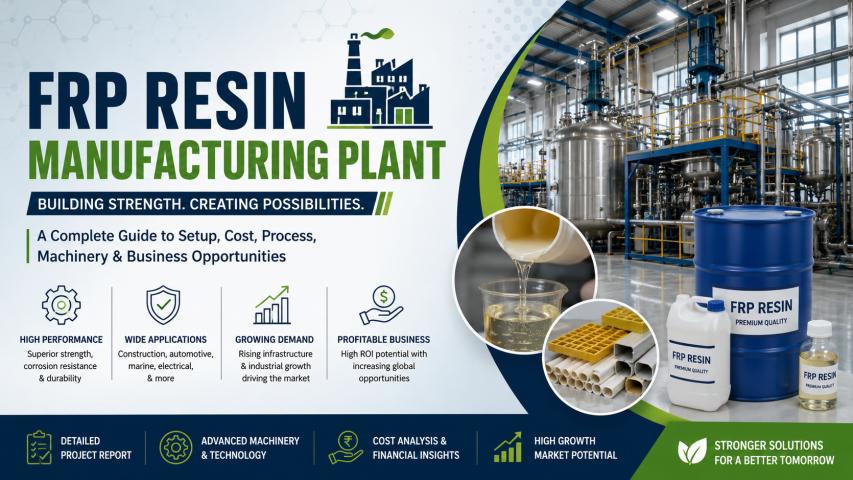
Vinyl ester resin is a high-performance synthetic material that combines the strength and toughness of epoxy resin with the processability of polyester resin. Vinyl ester resin is resistant to corrosion and impact, making it ideal for applications that require high strength and durability, such as shipbuilding, pipe repair, or composite materials.

Vinyl ester resin is a popular material in various industries due to its excellent properties. Here's how to use Vinyl ester resin.
1. Preparation
Tool Materials: resin, Hardener (initiator) , measuring cup, stir bar, brush/roller, mold (optional) , protective equipment (gloves, mask, goggles) .
Environmental Requirements: good ventilation, temperature 15-30 °C (too low temperature curing slow, too high may accelerate the reaction) .
2. Mixed resin and curing agent
Mix resin and hardener according to the instructions (usually 100:1 to 100:3 depending on the brand) .
STIR: stir slowly for 2-3 minutes to avoid excessive air bubbles. If you need to add pigments or fillers (e. g. , fiberglass) , do so now.
3. Painting or pouring
Brush: to apply evenly with a brush to a surface (such as metal or concrete) that needs to be repaired or shaped.
Pouring: pouring into the mold to make parts (e. g. Hull, pipe fittings) . Complex molds can be layered, with each layer cured before the next.
4.Curing process
Initial curing: hardening of surface at room temperature for 1-2 hours (touchable but not completely firm) .
Fully cured: maximum strength after 24-48 hours. If you need to accelerate the curing, available heating equipment (such as hot air gun) assisted.
5. Post-processing
Grinding, cutting or drilling: after curing, the surface can be machined on demand.
Spray paint or coating: topcoat can be applied for beautiful appearance or enhanced protection.
Points to note
Safety First: Resin and Hardener may irritate the skin and respiratory tract, wear gloves and masks throughout!
Avoid bubbles: stirring too fast or too high temperature easy to produce bubbles, can be used flame (fast sweep) or defoaming agent.
Precise ratio: too much curing agent will shorten the operation time, too little can not be completely cured.
Cleaning tools: non-curing resin can be cleaned with acetone, curing can only be removed by mechanical method.
Repair and anti-corrosion: repair hull, chemical storage tanks, pipe wall.
Making Composites: fiberglass/carbon, DIY paddles, auto parts.
Mold turnover mold: copy sculpture, industrial parts prototype.
3D printing enhancements: plastic printed parts reinforced as coating