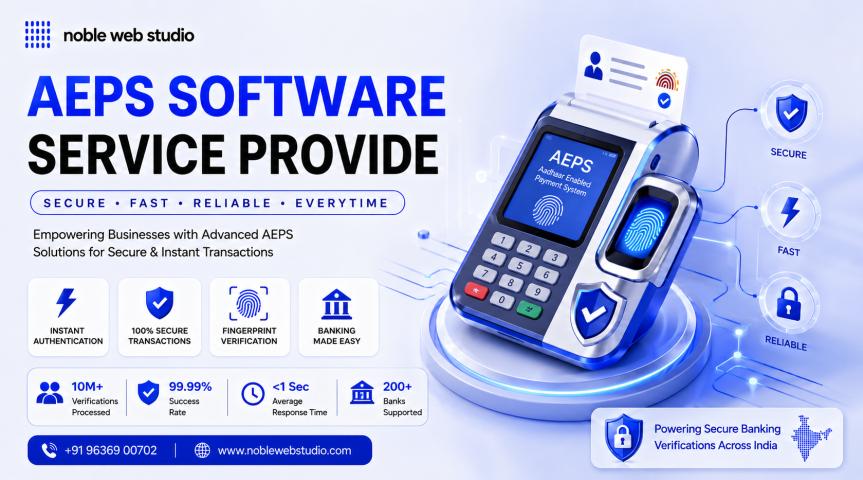
In India, AEPS (Aadhaar Enabled Payment System) has revolutionized the financial landscape by enabling secure, real-time digital transactions using Aadhaar authentication. AEPS facilitates banking services for individuals, especially in rural and underserved areas, without needing physical bank branches. As businesses and fintech companies look to integrate AEPS solutions, it’s critical to partner with the right AEPS service provider.
In this article, we will explore the key factors businesses need to consider before onboarding an AEPS service provider, ensuring smooth integration and compliance with regulatory standards.
1. Understand AEPS and Its Importance
Before diving into the checklist, it’s essential to grasp the core functionalities of AEPS. AEPS is a payment system offered by the National Payments Corporation of India (NPCI), which allows individuals to access their bank accounts using Aadhaar authentication for fund transfers, balance inquiries, and other financial services.
AEPS is particularly beneficial for businesses catering to rural India, where access to traditional banking services is limited. AEPS service providers offer the infrastructure, software, and APIs necessary to integrate AEPS into your business, enabling secure, instant transactions.
2. Evaluate the Provider’s Technology and Infrastructure
One of the first things to consider when choosing an AEPS service provider is the technology and infrastructure they offer. The software architecture should be robust, secure, and scalable to handle a large number of transactions.
Key Features to Look For:
-
Secure API Integration – Ensure the AEPS provider offers secure and well-documented APIs that allow seamless integration into your system.
-
Transaction Management – The software should be capable of handling real-time transactions efficiently with low latency.
-
Multi-device Compatibility – It’s essential that the AEPS software is compatible across mobile, web, and POS devices to cater to different business models.
-
Real-Time Monitoring – Access to dashboards and analytics for tracking transactions, commissions, and agent performance.
-
Data Encryption – Ensure the provider uses end-to-end encryption to protect sensitive user and transaction data.
Why This Matters:
A reliable technology infrastructure ensures your AEPS platform remains available and functional at all times, preventing downtime and errors that could harm your business reputation.
3. Check for Regulatory Compliance and Certifications
Compliance is one of the most critical aspects when choosing an AEPS service provider. AEPS transactions are governed by RBI (Reserve Bank of India) and NPCI guidelines. To ensure that your platform is compliant with these regulations, it’s essential to partner with a provider who meets the necessary legal and security requirements.
Regulatory Checks:
-
NPCI Certification – Verify that the provider is certified by NPCI to offer AEPS services.
-
RBI Guidelines – The provider must comply with RBI’s security and operational standards for financial transactions.
-
KYC and AML – Ensure that the AEPS service provider supports KYC (Know Your Customer) and AML (Anti-Money Laundering) procedures for safe and compliant transactions.
Why This Matters:
Regulatory compliance ensures that your business operates legally and protects your users from fraud or other financial risks. Non-compliance could lead to fines or penalties from regulators.
4. Assess the Provider’s Support and Maintenance Services
Customer support is vital when choosing an AEPS service provider. During the integration process, you may encounter issues or require technical assistance. A reliable AEPS provider should offer 24/7 support to address technical or operational concerns promptly.
Support Features to Look For:
-
Dedicated Support Team – Ensure the provider offers a dedicated technical support team for troubleshooting.
-
Training and Documentation – Access to comprehensive user manuals, developer guides, and training resources for your team.
-
Service-Level Agreements (SLAs) – Verify the provider’s commitment to resolution times and uptime guarantees through a formal SLA.
Why This Matters:
Support and maintenance are crucial for minimizing downtime and resolving issues efficiently, especially in a business that relies on uninterrupted transactions. The faster issues are resolved, the less impact they’ll have on your customer experience.
5. Review the Cost Structure and Commission Models
Cost is always a crucial factor when onboarding any service provider. When evaluating AEPS service providers, make sure you understand their cost structure and how they charge for their services.
Consider These Costs:
-
Integration Fees – Some AEPS providers may charge a one-time integration fee.
-
Transaction Fees – This includes the cost per transaction for AEPS services like cash withdrawal or balance inquiries.
-
Commission Models – Understand the commission distribution for agents, distributors, and retailers. Transparent commission models help in budgeting and planning.
-
Maintenance Charges – Be clear on the ongoing maintenance and support costs to ensure smooth operations.
Why This Matters:
A clear understanding of the cost structure helps businesses budget for AEPS services and ensures there are no hidden fees. A cost-effective solution ensures that the AEPS integration remains profitable for your business.
6. Ensure Scalability for Future Growth
When selecting an AEPS service provider, it’s essential to ensure that the provider can accommodate your business growth over time. The scalability of the service is key, particularly if you plan to expand into new markets or scale your operations.
Key Scalability Factors:
-
User Growth – The ability to handle increasing numbers of users without performance degradation.
-
Transaction Volume – Ensure the AEPS service provider can handle spikes in transaction volumes, especially during high-demand periods.
-
Geographical Expansion – The provider should support services in multiple regions to allow your business to grow across India.
Why This Matters:
A scalable AEPS service provider ensures that as your business grows, your platform can support more users, transactions, and features without needing a complete overhaul.
7. Assess the Provider’s Reputation and Track Record
Finally, it’s essential to consider the reputation of the AEPS service provider. A provider with a solid track record in the industry can provide greater peace of mind regarding service quality, reliability, and trustworthiness.
Reputation Check:
-
Client Testimonials – Look for customer reviews and case studies from businesses that have integrated AEPS services with the provider.
-
Industry Experience – A provider with extensive experience in AEPS will have the expertise to navigate challenges and provide the best solutions.
-
Market Presence – Leading AEPS service providers often have a broader market presence and a proven track record of successful integrations.
Why This Matters:
Choosing a reputable AEPS service provider ensures that your business works with a trusted partner that can deliver consistent results and provide a high-quality user experience.
Conclusion: Choosing the Right AEPS Service Provider
Integrating AEPS into your business can be a game-changer for enhancing your customer offerings, especially in rural and underserved areas. However, selecting the right AEPS service provider requires careful consideration of various factors like security, compliance, support, cost, and scalability.
By using this AEPS service provider checklist, businesses can make informed decisions that will ensure successful integration and long-term success in the digital payment ecosystem.
noblewebstudio, with its robust technology stack, strong customer support, and industry compliance, is here to help you seamlessly integrate AEPS services into your business, ensuring the best possible experience for your customers.