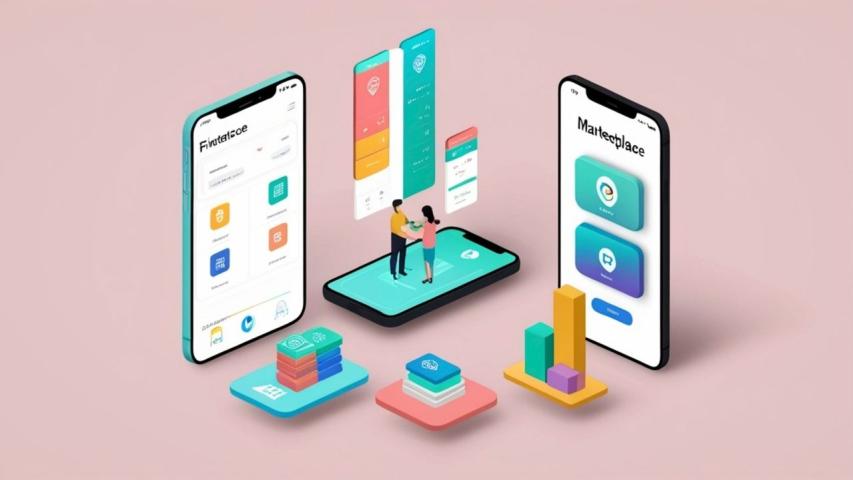
In the ever-evolving landscape of technology, mobile app development services stand at the forefront of innovation and transformation. With billions of smartphone users worldwide, mobile applications have become an integral part of our daily lives - whether for communication, shopping, healthcare, finance, or entertainment. As we move deeper into the digital age, the future of mobile app development promises to be even more dynamic, driven by advancements in technology, changing consumer expectations, and new business models. The future of mobile app development services in the digital age? This article explores the future of mobile app development services, the emerging trends shaping the industry, and the opportunities it creates for businesses and users alike.
The Current State of Mobile App Development
Today’s mobile app ecosystem is thriving. According to industry reports, global mobile app revenues are projected to surpass $600 billion by 2027, driven by downloads, in-app purchases, and advertising. Both iOS and Android dominate the market, with millions of apps available across categories.
Mobile app development services are no longer just about creating functional apps. They now focus on user experience (UX), cross-platform compatibility, performance, and security. Businesses invest heavily in apps to strengthen brand presence, improve customer engagement, and deliver personalized solutions.
Yet, what lies ahead in this digital-first world goes far beyond current practices.
Trends Shaping the Future of Mobile App Development
1. Artificial Intelligence (AI) and Machine Learning (ML)
AI and ML are transforming mobile app development services by enabling smarter, personalized experiences. From AI-powered chatbots to predictive analytics, apps will increasingly adapt to user behavior. For instance, e-commerce apps will suggest products based on previous purchases, while healthcare apps can monitor and predict health risks.
In the future, AI integration will allow mobile apps to offer real-time decision-making, voice recognition, natural language processing, and advanced automation.
2. 5G Technology Revolution
The rollout of 5G is a game-changer for mobile app development. With lightning-fast speed, lower latency, and increased connectivity, 5G will allow developers to build more immersive experiences. Features such as augmented reality (AR), virtual reality (VR), cloud gaming, and ultra-HD video streaming will become more mainstream.
For businesses, this means new opportunities to create apps that deliver real-time, high-quality services without performance lags.
3. Cross-Platform Development
Traditionally, businesses built separate apps for iOS and Android. However, cross-platform frameworks such as Flutter, React Native, and Xamarin are streamlining development, reducing costs, and ensuring faster time-to-market.
In the future, cross-platform mobile app development services will dominate, ensuring that users get a seamless experience regardless of their device.
4. Internet of Things (IoT) Integration
IoT-powered apps are bridging the gap between digital and physical worlds. Smart home apps, connected healthcare devices, and wearable technology all depend on IoT integration. As IoT expands, mobile apps will increasingly function as control centers for interconnected devices, enabling automation and efficiency.
The future will see apps with real-time IoT analytics, predictive maintenance, and remote monitoring, opening new avenues for industries like healthcare, manufacturing, logistics, and energy.
5. Blockchain Technology
While blockchain is mostly associated with cryptocurrencies, its impact on mobile app development is far-reaching. Blockchain ensures security, transparency, and decentralization, which is crucial for apps in finance, healthcare, and supply chain management.
Mobile wallets, decentralized apps (DApps), and blockchain-based identity verification systems are gaining popularity, and in the digital future, they will become mainstream features of mobile app services.
6. Augmented Reality (AR) and Virtual Reality (VR)
AR and VR are transforming how users interact with apps. From virtual try-ons in retail to immersive learning in education and virtual tours in real estate, AR/VR is revolutionizing industries.
Future mobile app development services will leverage AR and VR to deliver hyper-personalized, immersive experiences, blurring the line between the digital and physical world.
7. Focus on App Security
As cyber threats grow, app security has become paramount. Future mobile app development will emphasize end-to-end encryption, multi-factor authentication, and biometric security features.
With regulations like GDPR and stricter data protection laws, developers must build apps that prioritize user privacy while ensuring compliance.
8. Cloud-Powered Mobile Apps
Cloud integration is set to dominate mobile app development services. By leveraging cloud technology, apps can store and process large amounts of data without consuming device storage. This will also enable real-time collaboration, scalability, and enhanced security.
In the future, cloud-based mobile apps will play a central role in enterprise solutions, gaming, and social platforms.
9. On-Demand Mobile Apps
From food delivery to ride-sharing, on-demand apps have revolutionized convenience. In the future, this sector will continue to expand into healthcare, logistics, home services, and education.
Users will expect faster services, real-time tracking, and integrated payment systems, making on-demand app development a major focus area for businesses.
10. Personalization and Predictive Analytics
Consumers demand apps that cater to their individual needs. Predictive analytics, powered by big data, allows businesses to deliver personalized content and services.
Future mobile apps will anticipate user needs, recommending actions, products, or services before users even search for them—driving higher engagement and satisfaction.
The Role of Mobile App Development Services for Businesses
Mobile apps are no longer optional; they are essential for businesses to remain competitive in the digital age. The role of development services is expanding to include:
-
Business Transformation: Apps help organizations digitize operations and embrace automation.
-
Customer Engagement: Personalized apps strengthen brand loyalty and improve customer satisfaction.
-
Revenue Growth: Mobile apps drive e-commerce, subscription models, and digital advertising revenues.
-
Global Reach: Apps provide businesses with access to international markets, breaking geographical barriers.
In the future, businesses will rely even more on mobile app development services to create scalable, innovative, and secure digital solutions.
Challenges in the Future of Mobile App Development
While opportunities abound, challenges must be addressed:
-
Rapidly Changing Technology: Developers must constantly adapt to new tools and frameworks.
-
Security Threats: Cybersecurity will remain a top concern.
-
User Retention: With millions of apps available, retaining users requires continuous innovation.
-
Cost of Development: Advanced features like AR/VR and AI integration can increase costs.
Overcoming these challenges will require skilled development teams, strong business strategies, and a focus on innovation.
Conclusion
The future of mobile app development services in the digital age is bright and full of possibilities. Emerging technologies like AI, 5G, AR/VR, IoT, and blockchain are reshaping how apps are built and used. Businesses that embrace these innovations will stay ahead of the curve, delivering smarter, faster, and more secure mobile experiences.
As consumer demands evolve, the role of mobile apps will expand beyond convenience—they will become essential tools for daily life, driving industries, economies, and societies forward. For businesses and developers alike, the key to success in the future lies in innovation, adaptability, and user-centric design.
Mobile app development services are no longer about keeping up with technology; they are about leading the digital transformation of the world.