
Today, hybrid work models and home-based life>acoustic ceiling has emerged as a transformative solution—redefining how we approach interior design, comfort, and functionality.
Gone are the days when ceilings were merely blank canvases above our heads. Today, they are an integral component of architectural and interior design, often playing a pivotal role in influencing how we experience space. And when acoustics become part of this ceiling narrative, the results are game-changing.
The Ceiling's Acoustic Revolution
The ceiling is perhaps the most underutilized surface when it comes to managing sound. While walls and floors have historically taken center stage in acoustic design, it is the ceiling that offers a higher potential for intervention without encroaching on usable floor area. Enter the era of specialized acoustic treatment—design strategies that elevate ceilings from passive surfaces to active sound controllers.
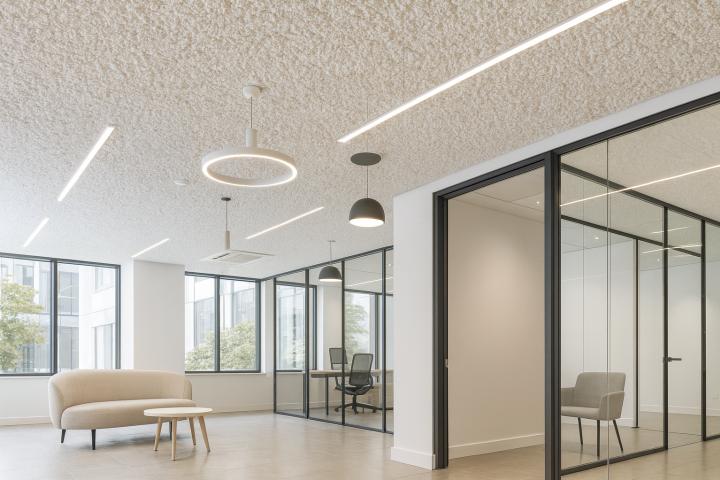
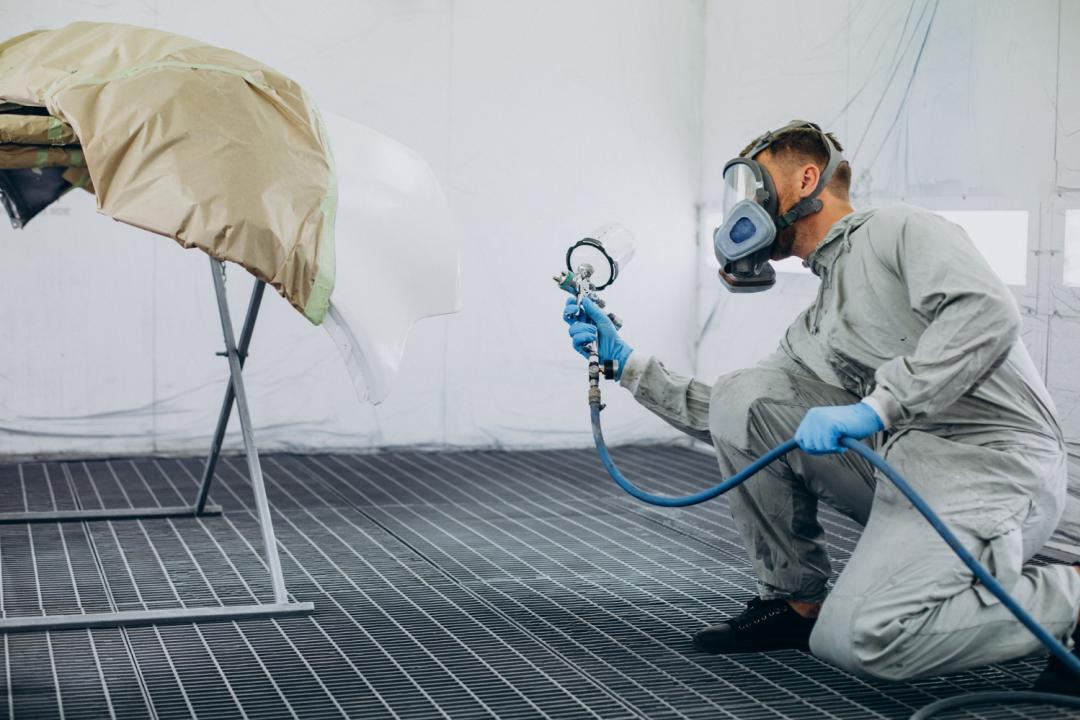
One of the most innovative additions to this design toolkit is the Acoustic Spray Ceiling. Unlike traditional suspended systems or panel-based solutions, this spray-on technology creates a monolithic and seamless surface while providing exceptional sound absorption. It is ideal for modern, minimalist designs where clean aesthetics matter just as much as acoustic performance. By preserving the architectural integrity of the ceiling while optimizing acoustics, this treatment sets a new standard for how spaces are both seen and heard.
From Panels to Performance
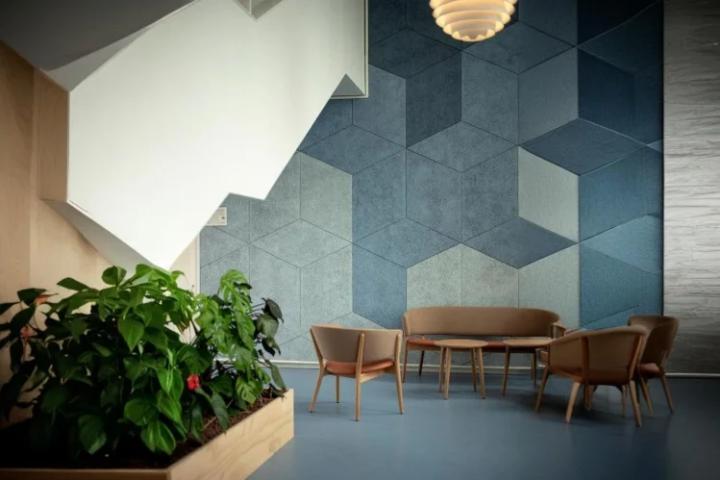
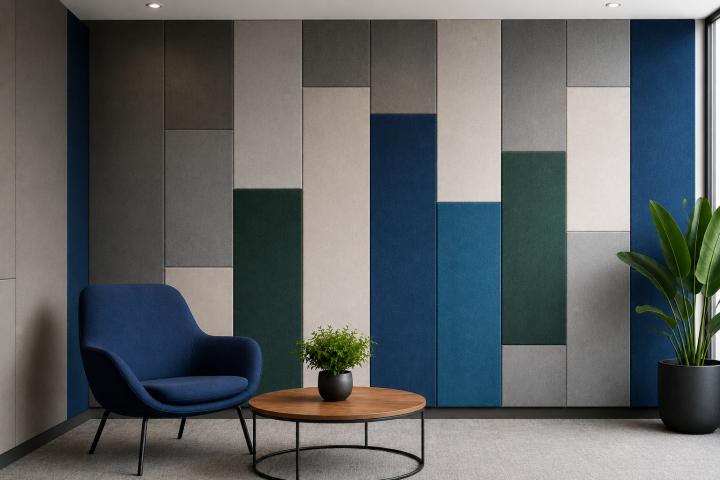
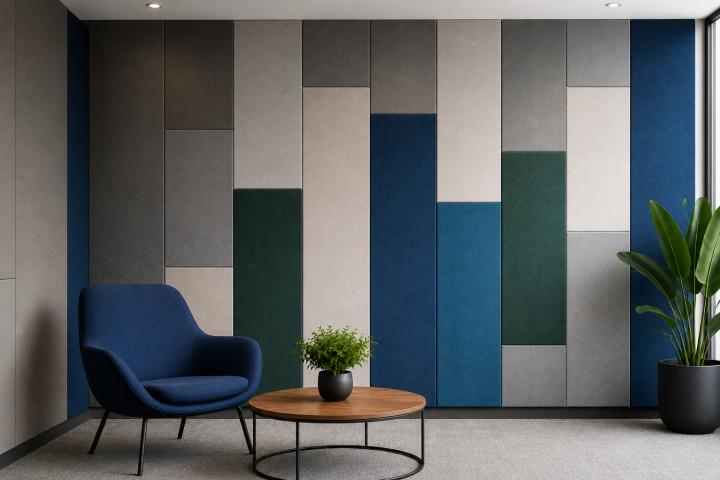
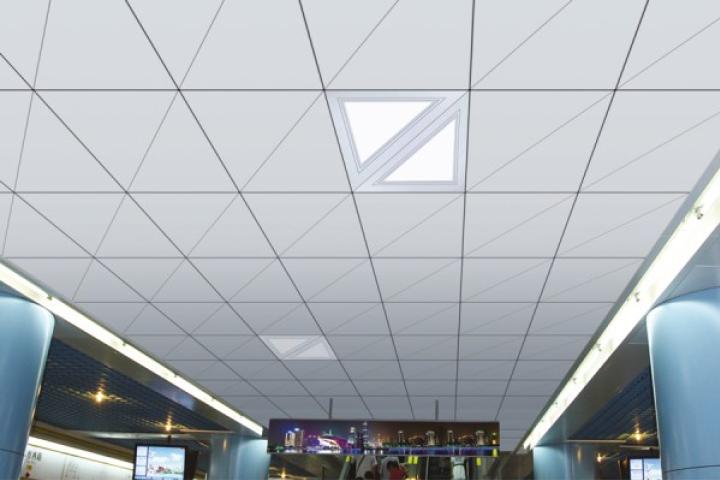
While the idea of applying sound-absorbing materials to ceilings isn’t new, the modern approach is rooted in performance, design flexibility, and material innovation. Acoustic Panels for Ceilings are no longer just utilitarian squares attached to a T-grid. They are now design-forward elements available in various shapes, textures, and finishes, allowing architects and designers to experiment with form and function simultaneously.
These acoustic panels for ceilings deliver an elegant fusion of >
Moreover, these panels aren’t just confined to traditional spaces. They work harmoniously in high-ceiling areas, open-plan layouts, and multipurpose zones where acoustics tend to fluctuate based on use and occupancy. Thanks to modular design and lightweight materials, they are easy to install, replace, and customize—making them a practical yet high-impact acoustic solution.
Baffled, But Better
Another key player in this acoustic ceiling evolution is the Acoustic Baffle Ceiling. These vertical hanging elements offer unmatched versatility, especially in expansive spaces where flat ceiling treatments might fall short. With a dynamic, sculptural quality, acoustic baffle ceilings double up as both sound absorbers and design statements.
These baffles break up sound paths and disperse noise energy effectively, which is particularly important in offices with exposed ductwork or industrial->
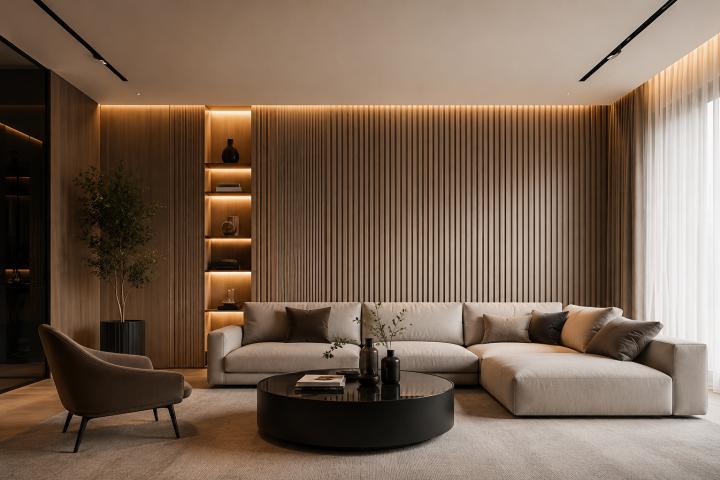
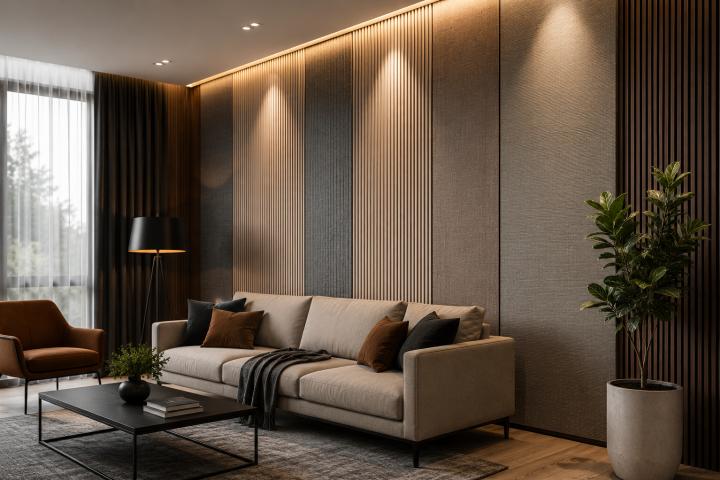
In home environments—especially in open-concept living areas or duplex apartments—baffles can introduce a unique visual language while subtly regulating the sound environment. They help maintain acoustic balance without interfering with the aesthetic character of the space.
Acoustics as a Wellness Multiplier
The conversation around acoustic treatment isn’t just about reducing noise—it’s about enhancing quality of life. In office settings, excessive reverberation can lead to stress, fatigue, and reduced cognitive performance. At home, it can affect relaxation, focus, and even sleep. The shift toward designing for acoustic wellness is gaining traction, and ceiling-based solutions are at the forefront of this movement.
Employees are increasingly valuing environments that support mental clarity and emotional well-being. By incorporating intelligent ceiling-based acoustics, employers not only meet ergonomic needs but also express a commitment to holistic workplace wellness. The same holds true for homes, where remote work, virtual meetings, and multi-use rooms demand spaces that can adapt acoustically without losing their visual charm.
Designing with Intent: More Than a Trend
The rise of acoustic ceilings is not a passing design trend—it is a deliberate move toward building environments that are smarter, healthier, and more responsive. As acoustic engineering and aesthetic design continue to converge, we’re witnessing the creation of spaces that don’t just look better—they feel better.
Acoustic Spray Ceilings, acoustic panels for ceilings, and acoustic baffle ceilings aren’t just noise-control tools—they are architectural features that influence how we interact with our surroundings. From hospitality and education to residential and retail, these solutions are being adapted across a broad spectrum of spaces, proving that ceiling acoustics have earned their place at the design table.
Conclusion
In a world increasingly shaped by how we use and share spaces, ceiling acoustics are no longer optional—they’re essential. Whether you’re refining the serenity of your home or optimizing the functionality of a collaborative workspace, investing in ceiling-based acoustic treatment reaps long-term benefits. Not just in performance, but in comfort, creativity, and overall spatial experience.
It’s time we stop looking up at ceilings as static surfaces and start recognizing their dynamic role in shaping sound and experience. The acoustic ceiling is here—not just to dampen noise, but to elevate how we live and work.