
DevOps is changing how the tech world works. It helps teams build and deliver software faster, with better quality and fewer problems. Today, DevOps skills are in high demand—and learning them can lead to better job opportunities and higher salaries.
If you're new to IT or want to grow your career, DevOps training is a smart move. In this blog, we’ll explain what you’ll learn in a DevOps online course, which tools you'll use, what real projects you’ll work on, and how this training can shape your future in tech.
Introduction: Why DevOps Skills Matter in 2025
Companies today demand speed, automation, and agility in their software development cycle. Traditional models no longer work. That’s where DevOps steps in.
85% of organizations report faster product releases after adopting DevOps (Source: DORA Report).
DevOps engineers earn an average salary of $120,000+ per year in the U.S.
With the rise of remote work and cloud computing, DevOps professionals are in high demand worldwide.
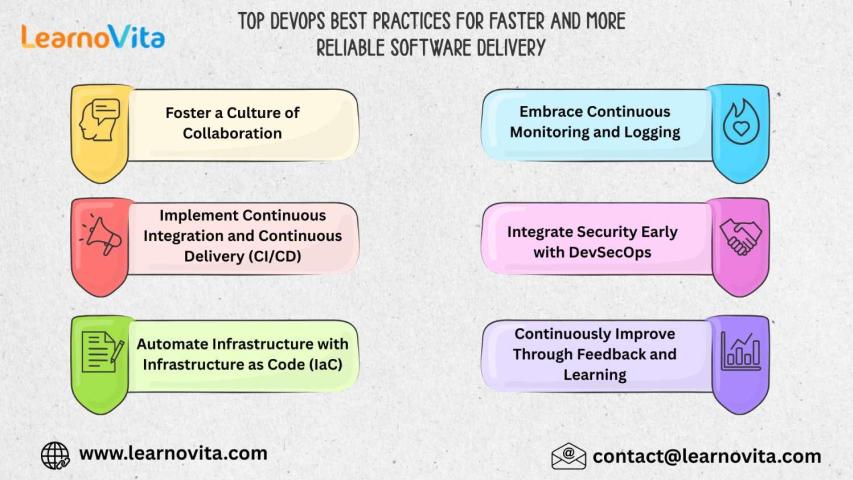
DevOps online training blends development (Dev) and operations (Ops) with automation, CI/CD (Continuous Integration/Continuous Deployment), and monitoring to build better systems, faster.
What is DevOps Training?
DevOps training online is a structured program that teaches you how to build, test, deploy, and monitor applications in an automated and collaborative environment. Unlike theoretical courses, these trainings are hands-on, project-based, and aligned with industry practices.
Key Learning Objectives:
Understand the DevOps lifecycle and culture
Automate infrastructure and deployment pipelines
Integrate CI/CD tools
Learn containerization with Docker
Orchestrate containers with Kubernetes
Monitor applications using real-time tools
Work on live DevOps projects
Whether you’re a developer, system admin, tester, or aspiring cloud engineer, DevOps training with placement can help you upgrade your career.
Core Tools You’ll Master in a DevOps Online Course
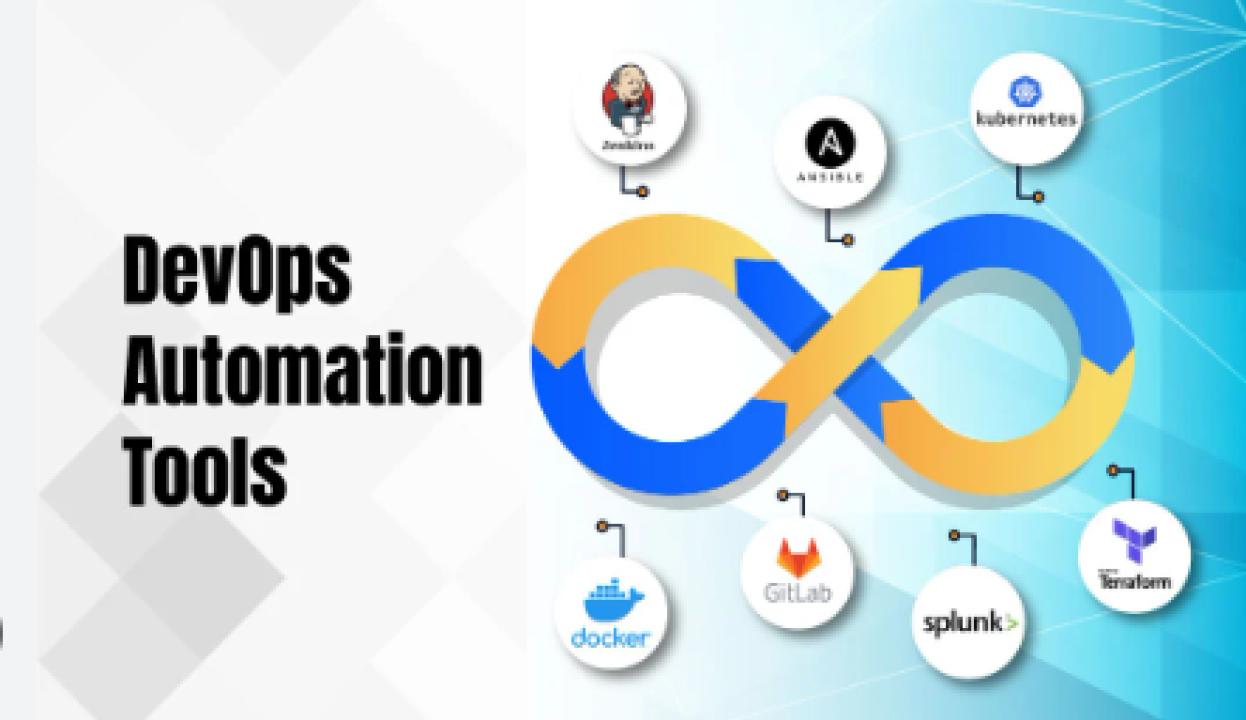
Mastering DevOps automation tools is critical for automating manual processes and speeding up delivery cycles. Here’s a breakdown of essential tools taught in a DevOps online course:
1. Git – Version Control
You’ll learn to:
Track changes in code
Collaborate with teams
Use branching and merging strategies
2. Jenkins – Continuous Integration
You’ll build:
Automated pipelines for testing and building software
CI/CD workflows with triggers and plugins
3. Docker – Containerization
You’ll practice:
Creating lightweight, portable application containers
Deploying containers consistently across environments
4. Kubernetes – Container Orchestration
You’ll learn:
Managing multiple containers
Auto-scaling, load balancing, and self-healing infrastructure
5. Ansible/Chef/Puppet – Configuration Management
You’ll automate:
Software provisioning and setup
Infrastructure-as-Code (IaC) best practices
6. Terraform – Infrastructure Provisioning
You’ll deploy:
Cloud resources (VMs, storage, databases) using code
Repeatable, scalable infrastructure
7. Prometheus & Grafana – Monitoring
You’ll monitor:
Application performance
System health through dashboards and alerts
These tools form the heart of modern software deployment. Learning them in a DevOps bootcamp online gives you the skills to walk into a real-world job on day one.
Real-World Projects You’ll Work On
A DevOps online course is not just about theory. It’s practical training designed to build your portfolio with real-time projects that replicate on-the-job tasks.
Sample Projects You May Work On:
Project 1: CI/CD Pipeline for a Web Application
Use Git for version control
Set up Jenkins pipeline
Run automated tests
Deploy to staging using Docker and Kubernetes
Project 2: Infrastructure Automation
Use Terraform to provision AWS instances
Configure them with Ansible
Set up monitoring with Prometheus
Project 3: Containerized Microservices
Break a monolithic app into microservices
Containerize using Docker
Manage and scale using Kubernetes
These hands-on projects bridge the gap between knowledge and job readiness, making your resume stand out in tech interviews.
Step-by-Step Learning Path in a DevOps Course Online
A DevOps course online typically follows a structured path that builds your expertise in stages.
1. Foundations of DevOps
What is DevOps and why it matters
Agile vs Waterfall vs DevOps
DevOps lifecycle: Plan → Develop → Test → Deploy → Operate → Monitor
2. Version Control and Collaboration
Git basics, GitHub integration
Pull requests, branching, merging
3. CI/CD Fundamentals
Jenkins setup and configuration
Creating pipelines from scratch
4. Containerization and Orchestration
Docker basics: images, containers, volumes, networks
Kubernetes: pods, nodes, deployments, services
5. Infrastructure as Code
Automating server setup with Ansible
Provisioning resources with Terraform
6. Monitoring and Logging
Install and configure Prometheus and Grafana
Set up alerts and visualize metrics
7. Security and DevSecOps Introduction
Securing code and deployments
Scanning tools and vulnerability assessments
8. Capstone Project and Job Preparation
Work on an end-to-end project using all tools learned
Resume reviews and mock interviews (in courses with placement support)
By following this structure, even beginners with no prior DevOps knowledge can reach a job-ready level.
Career Path After DevOps Training and Certification
After completing DevOps training and certification, you can pursue multiple career tracks based on your strengths:
Entry-Level Roles:
DevOps Engineer (Junior)
Build and Release Engineer
Cloud Operations Associate
Infrastructure Automation Specialist
Mid-Level Roles:
DevOps Engineer (Mid-Level)
Site Reliability Engineer (SRE)
CI/CD Pipeline Specialist
System Administrator with DevOps skills
Advanced Roles:
Senior DevOps Architect
Cloud DevOps Engineer
Platform Engineer
DevSecOps Engineer
Most roles now expect hands-on DevOps knowledge, especially in cloud-native environments. According to a 2024 industry report, companies with DevOps teams see 208x more frequent deployments and 106x faster lead time to changes.
Benefits of Enrolling in the Best DevOps Training Online
Here’s why enrolling in the best DevOps training online can be a game-changer:
Job-Ready in Months
Focused curriculum designed for employability
Real-time projects boost your hands-on skills
Flexibility and Affordability
Learn from home
Schedule around your job or education
Lower cost than in-person bootcamps
Certification Support
Prepares you for industry-recognized certifications
Validates your skills for employers
Placement Assistance
Many online programs offer job placement support
Resume workshops and interview preparation
Who Should Take DevOps Online Training?
You don’t need to be a coding expert to start. These courses are designed for both beginners and professionals:
Fresh graduates looking to break into IT
Manual testers moving into automation
System administrators looking to upgrade
Developers aiming to streamline CI/CD workflows
IT support professionals entering cloud and DevOps roles
With the right DevOps training and placement support, anyone can build a career in this high-demand field.
Tips to Get the Most Out of Your DevOps Online Course
Maximize your success with these practical steps:
Practice daily – Set up your own mini lab with Docker and Jenkins
Ask questions – Engage in forums or with instructors
Work on projects – Don’t just watch; build things
Read documentation – Learn from real-world sources like GitHub and Kubernetes docs
Stay current – Follow DevOps trends and emerging tools
Key Takeaways
A DevOps online course teaches you in-demand skills like CI/CD, containerization, automation, and monitoring.
You’ll use tools such as Git, Jenkins, Docker, Kubernetes, Terraform, and Prometheus.
Real-world projects simulate job responsibilities, preparing you for immediate employment.
The career path is flexible, with roles ranging from entry-level to advanced DevOps and cloud engineering jobs.
With hands-on learning and placement support, DevOps training gives you a competitive edge in tech hiring.
Ready to Launch Your DevOps Career?
Join H2K Infosys' DevOps training and placement program today. Gain hands-on experience, master automation tools, and get job-ready with expert guidance.
Start your DevOps journey with H2K Infosys — where your tech career begins.