
In fast-paced development environments, teams often focus on speed, automation, and rapid releases. While these are important, overlooking software testing basics can lead to serious production failures. Many critical issues in production are not caused by complex system behavior but by gaps in fundamental testing practices.
Strong software testing basics act as a foundation for quality. They ensure that even as systems grow and processes evolve, the core principles of validation, coverage, and reliability remain intact. Over time, these fundamentals play a key role in preventing costly failures that impact users and business outcomes.
Why Production Failures Often Trace Back to Basics
In many real-world scenarios, production issues are not due to a lack of advanced tools or frameworks. Instead, they result from missed validations, incomplete test coverage, or poorly designed test cases.
Common causes include:
Inadequate input validation
Missing edge case testing
Poor understanding of requirements
Lack of consistent test execution
These issues highlight that without strong fundamentals, even well-automated systems can fail.
Building a Strong Foundation with Clear Test Design
One of the core aspects of software testing basics is designing effective test cases. This involves understanding requirements clearly and translating them into meaningful test scenarios.
Teams that focus on strong test design:
Cover both positive and negative scenarios
Include boundary and edge case testing
Align test cases with real-world usage
This structured approach reduces the likelihood of unexpected behavior in production.
Ensuring Comprehensive Test Coverage
Another critical element is ensuring that all important parts of the system are tested. Gaps in coverage often lead to defects that only appear after deployment.
A strong foundation includes:
Testing critical workflows end to end
Validating integrations between components
Covering both functional and non-functional aspects
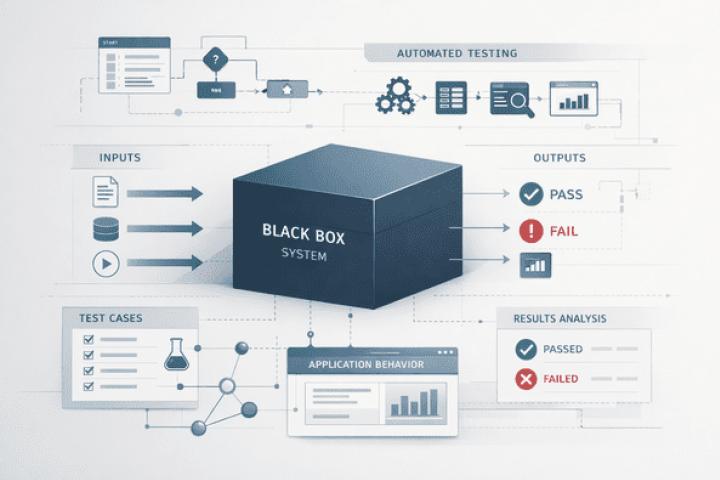
Teams often apply different types of software testing to achieve this coverage, including unit, integration, and system-level testing.
Reducing Dependency on Last-Minute Testing
Teams that lack strong fundamentals often rely heavily on last-minute testing before releases. This approach increases the risk of missing critical issues.
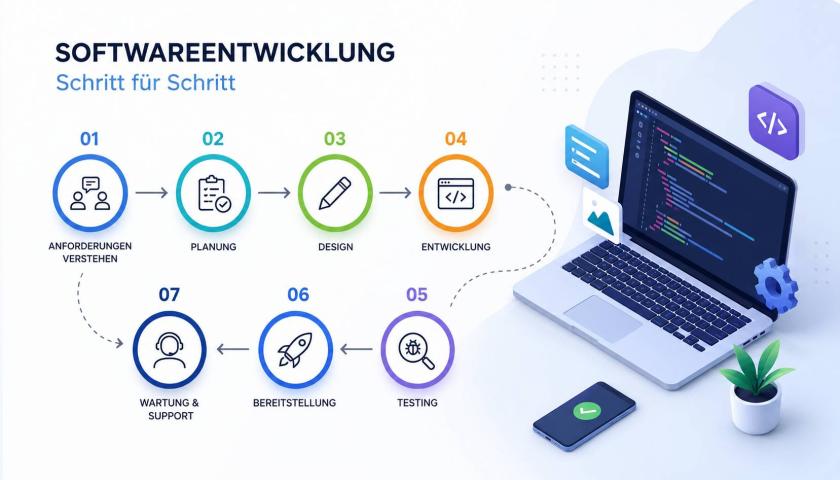
With solid software testing basics in place, testing becomes a continuous activity rather than a final step. This leads to:
Early detection of defects
Reduced pressure during release cycles
More predictable outcomes
Continuous validation helps prevent defects from accumulating and reaching production.
Improving Communication and Requirement Clarity
Many production failures occur due to misunderstandings in requirements rather than technical issues. Strong testing fundamentals emphasize clarity and collaboration.
Effective teams:
Define clear acceptance criteria
Align testing with business expectations
Involve multiple stakeholders in validation
This reduces ambiguity and ensures that the system behaves as intended.
Supporting Reliable Automation
Automation is only as effective as the foundation it is built on. Without strong basics, automated tests may be unreliable or incomplete.
Teams that follow sound principles:
Automate well-designed and meaningful test cases
Maintain consistency in test execution
Avoid duplicating ineffective manual tests
This ensures that automation contributes to quality rather than adding complexity.
Real-World Observation
In one production system, a team experienced repeated failures related to input handling. Despite having automated tests in place, certain edge cases were not covered due to gaps in test design.
To address this, the team revisited their approach by:
Strengthening their understanding of requirements
Expanding test coverage to include edge cases
Standardizing how test cases were written and reviewed
Over time, they observed:
Fewer production defects
Improved reliability of features
Greater confidence in releases
This shift demonstrated that reinforcing fundamentals can significantly improve outcomes.
Key Takeaways
Many production failures result from weak testing fundamentals
Strong test design ensures better coverage of real-world scenarios
Continuous testing reduces reliance on last-minute validation
Clear communication prevents requirement-related issues
A solid foundation improves the effectiveness of automation
Software testing basics are not limited to beginner concepts. They are essential principles that continue to influence software quality at every stage of development. Teams that invest in these fundamentals are better equipped to prevent costly production failures and deliver reliable systems over time.