In recent years, Micro ATM provider have become key players in shaping India's cashless economy, helping millions of people access banking services in areas that were previously underserved. As India continues its push for digital payments and financial inclusion, the role of Micro ATM providers becomes even more vital. These devices, which offer essential banking services such as cash withdrawals, deposits, and balance inquiries, are helping to bridge the gap between rural and urban banking access. In this article, we will explore how Micro ATM providers are contributing to India’s financial ecosystem and what the future holds for this innovative solution.
What Are Micro ATMs?
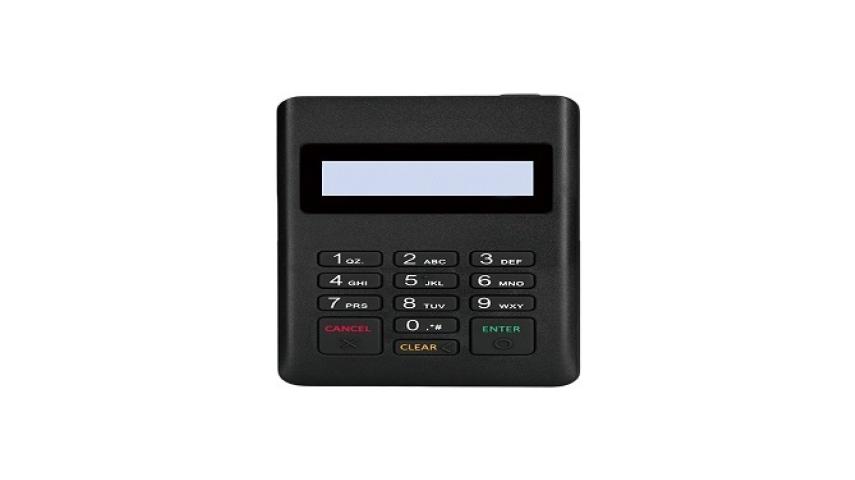
A Micro ATM is a small, portable device that allows individuals to carry out basic banking transactions, similar to an ATM but with lower operational costs and infrastructure requirements. The devices are typically used by retail outlets, agents, and kiosks, especially in rural and semi-urban areas where traditional bank branches or ATMs are not available. Micro ATMs provide services such as cash withdrawals, deposits, mini-statements, fund transfers, and balance inquiries, helping to bring banking to the doorstep of customers who may not have easy access to physical branches.
With the increasing demand for financial services in remote areas, Micro ATM providers play an essential role in advancing India’s financial inclusion efforts. They contribute to a digital banking environment by empowering people with the ability to conduct basic banking transactions without needing to travel to urban centers.
How Micro ATM Providers Are Shaping India’s Cashless Economy
1. Bridging the Rural-Urban Divide
One of the most significant challenges facing India’s cashless economy is the limited access to banking services in rural areas. According to the latest data, over 60% of India’s population lives in rural regions, and many of these areas lack basic banking infrastructure. Micro ATM providers are stepping up to meet this challenge by enabling local retailers, agents, and kiosks to offer banking services in these underserved areas.
By deploying Micro ATMs, businesses can provide services such as cash withdrawals and balance inquiries to customers who might otherwise have to travel long distances to reach a bank branch. This not only enhances accessibility but also promotes financial inclusion in areas that would otherwise be left behind in the digital economy.
2. Supporting Digital Payment Adoption
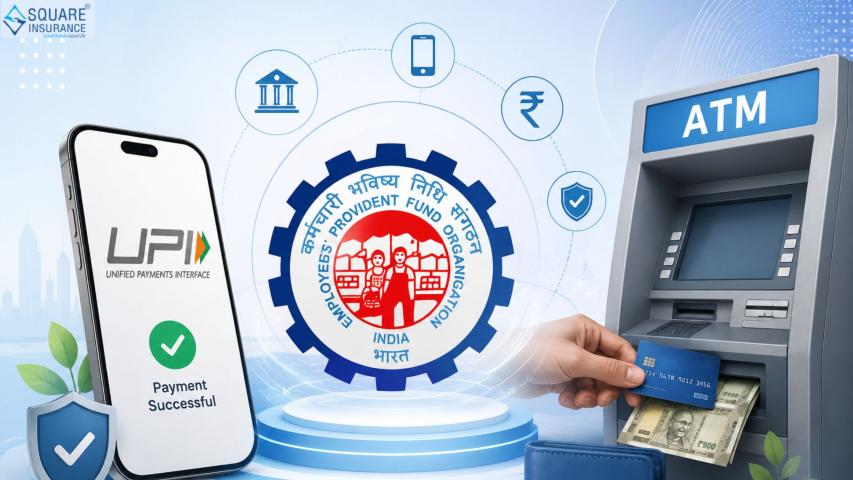
In line with India’s vision to become a fully cashless economy, Micro ATM providers are playing a key role in encouraging the adoption of digital payments. Micro ATMs integrate seamlessly with the AePS (Aadhaar-enabled Payment System), enabling users to conduct transactions using their Aadhaar number and biometric data.
As India moves toward a more digital economy, these devices contribute to greater digital literacy, helping customers become familiar with using biometric authentication and mobile banking platforms. By offering secure and easy-to-use solutions for digital transactions, Micro ATMs foster the adoption of cashless transactions and promote financial literacy in rural communities.
3. Enabling Financial Inclusion for the Unbanked
Despite India’s growing economy, millions of people still do not have access to formal banking services, particularly in remote regions. The Micro ATM provider ecosystem is filling this gap by offering a solution that allows people in these regions to engage with the financial system. Micro ATMs enable users to open bank accounts, make deposits, and access their savings, thereby ensuring that they have a formal financial identity.
The ability to perform banking transactions in rural and semi-urban areas helps bridge the gap between the unbanked population and formal banking channels, contributing significantly to India’s financial inclusion goals.
4. Providing Cashless Transactions for Small Businesses
For small businesses and entrepreneurs in rural areas, Micro ATM providers are offering a cost-effective solution to manage cashless transactions. Many small businesses, especially in remote locations, still rely heavily on cash-based transactions. However, with the growth of digital payments and the government's push toward a cashless economy, there is a clear need for small businesses to transition to digital payment systems.
With Micro ATMs, small business owners can provide cashless transaction facilities to customers, including services like bill payments and mobile recharges. This not only enhances business opportunities but also allows these small enterprises to remain competitive in the evolving digital landscape.
5. Improving Access to Government Welfare Schemes
Government welfare schemes such as direct benefit transfers (DBTs) are crucial for the financial well-being of vulnerable populations in India. Micro ATMs play a significant role in facilitating the disbursement of government subsidies, pensions, and other welfare benefits to people in rural areas.
With Micro ATM providers offering access to these government schemes, beneficiaries can easily withdraw cash or perform transactions without having to travel to urban centers. This ensures timely access to government assistance and plays a vital role in improving the livelihoods of people in rural India.
The Future of Micro ATM Providers
As India moves further into the digital age, the future of Micro ATM providers looks promising. The following trends indicate how these devices will continue to shape India’s cashless economy:
1. Increased Integration with Digital Banking Systems
In the future, Micro ATM providers are expected to offer even more seamless integration with digital banking systems. This could include enhanced services such as mobile banking, wallet integrations, and real-time transaction processing, which will make it even easier for customers to access their funds and conduct transactions from remote locations.
2. Expansion of Services
Micro ATMs are likely to expand their range of services beyond traditional banking transactions. Future innovations may include bill payments, ticketing services, insurance payments, and even loan disbursements. This expansion will provide more value to customers and businesses alike, offering a one-stop solution for all digital payment needs.
3. Adoption of Advanced Technology
As technology continues to evolve, Micro ATM providers will likely integrate advanced technologies such as AI and machine learning to improve service efficiency and security. For instance, facial recognition and voice authentication may replace or complement existing biometric systems, offering even more secure and user-friendly solutions.
Conclusion
The role of Micro ATM providers in India’s cashless economy is undeniable. They are at the forefront of financial inclusion, digital payments adoption, and government welfare distribution. As India continues to embrace digital payments and strives toward a fully cashless economy, Micro ATM providers will remain crucial in bridging the gap between rural and urban banking, enabling millions to access essential financial services.
At Noble Web Studio, we provide state-of-the-art Micro ATM solutions that ensure secure, seamless, and reliable financial transactions. Contact us today to learn more about how our Micro ATM services can help you drive business growth and contribute to India’s digital payment revolution.