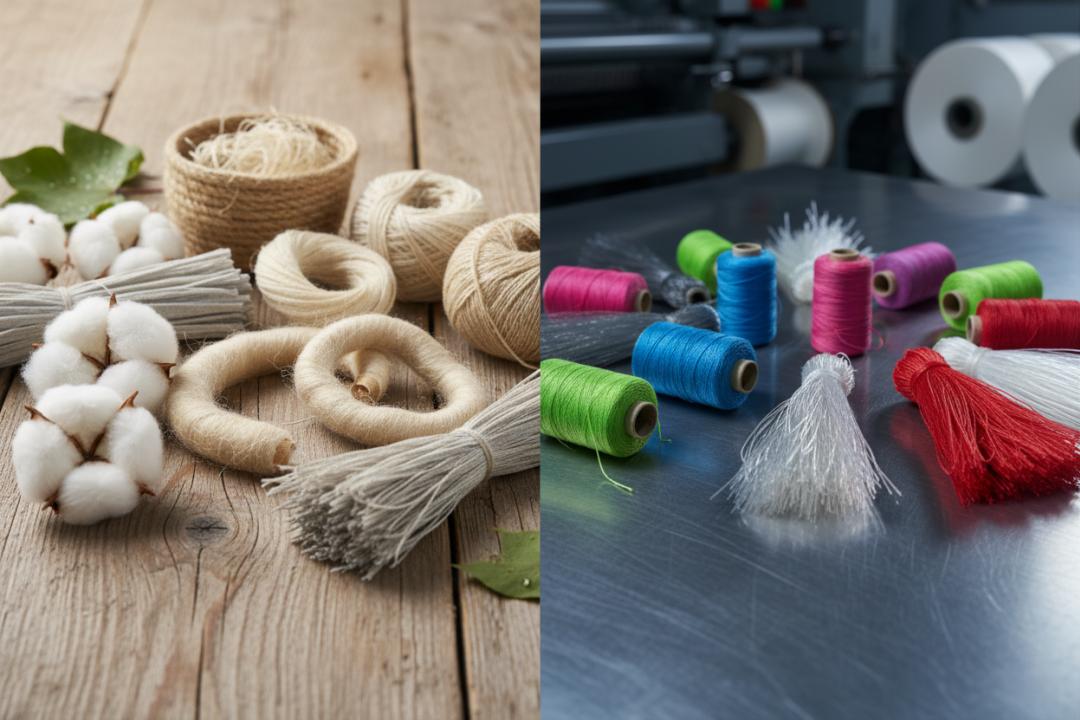
You are slipping into a crisp cotton shirt on a sweltering afternoon, feeling the cool fabric against your skin, then pulling on a pair of stretchy pants that move with every step. One is natural, drawn from plants or animals; the other is synthetic, born from chemical processes. These fabrics fill closets, homes, and markets across Pakistan, each with its own feel, function, and story. From the cotton fields of Sindh to the factories spinning polyester, fabrics define comfort, fabric suppliers in Pakistan bridging farms and looms, lets pull apart the threads of natural and synthetic fabrics and see how they shape the clothes we wear and the world we live in.
What Are Natural Fabrics?
Natural fabrics come from plant or animal sources, processed into textiles without synthetic chemicals.
- Plant Based Sources – Cotton from seed pods, linen from flax stems, or hemp from plant stalks, all grown and harvested for their fibers.
- Animal Based Origins – Wool from sheep fleece, silk from silkworm cocoons, or leather from hides, providing warmth or luxury.
- Production Steps – Fibers are cleaned, spun into yarn, then woven or knitted, relying on traditional methods in many Pakistani mills.
- Inherent Properties – Breathable, absorbent, and biodegradable, natural fabrics suit skin contact and decompose naturally over time.
- Common Examples – Cotton for everyday shirts, wool for winter shawls, silk for festive scarves, all staples in Pakistans textile trade.
What Are Synthetic Fabrics?
Synthetic fabrics are manufactured from chemical compounds, often petroleum based, engineered for specific performance.
- Chemical Composition – Made from polymers like polyester, nylon, or acrylic, created through extrusion and spinning processes.
- Production Methods – Raw materials are melted, formed into filaments, and textured for strength, stretch, or other traits.
- Engineered Features – Designed for durability, wrinkle resistance, or elasticity, synthetics meet needs natural fibers cannot.
- Variety of Types – Polyester for clothing, nylon for ropes, or spandex blends like micro stretch fabric for flexible garments.
- Industrial Scale – Produced in large quantities in Pakistans factories, synthetics support affordable, mass market textiles.
Natural fabrics breathe with the earth; synthetics stretch to meet our pace.
How Do Natural and Synthetic Fabrics Differ in Feel and Comfort?
Natural fabrics generally feel softer and more breathable against the skin, while synthetics prioritize durability and functionality. Cotton or linen allows air flow, keeping you cool in Pakistans heat, ideal for kurtas or bedding, but it may wrinkle or absorb odors. Wool provides warmth and moisture wicking for winter layers, though it can itch without blending. Silk offers a smooth, luxurious touch for scarves or dresses. Synthetics like polyester feel slick and lightweight, resisting wrinkles for easy care, but they trap heat and moisture, less ideal for sweaty days. Micro stretch fabric, a synthetic blend, adds elasticity for pants or activewear, moving comfortably without sagging. In Pakistans markets, natural fabrics suit traditional comfort, while synthetics offer practical, low maintenance options for modern life.
What Sets Natural and Synthetic Fabrics Apart in Durability?
Durability varies greatly between natural and synthetic fabrics, affecting their lifespan and care.
- Natural Fabric Strength – Cotton holds up to washing but fades or weakens over time; wool resists wear but moths can damage it.
- Synthetic Fabric Resilience – Polyester and nylon withstand abrasion, sun exposure, and frequent laundering without losing shape.
- Stretch and Recovery – Synthetics like spandex or micro stretch fabric bounce back after pulling, while natural ones may stretch permanently.
- Environmental Wear – Natural fabrics biodegrade but degrade faster in use; synthetics last longer but contribute to waste if discarded.
- Pakistans Practical Choices – Synthetics dominate workwear or exports for longevity, natural ones for cultural garments needing gentle handling.
Comparing Natural and Synthetic Fabrics
Fabric Type | Source | Breathability | Durability | Common Uses | Cost (PKR/m, 2025) |
Natural (Cotton) | Plant | High, airy | Moderate, wears with time | Shirts, bedding, kurtas | 300 1,500 |
Natural (Wool) | Animal | Moderate, warm | High with care | Shawls, jackets, blankets | 800 2,500 |
Synthetic (Polyester) | Chemical | Low, traps heat | High, resists fade | Activewear, curtains | 200 1,000 |
Synthetic (Nylon) | Chemical | Low, quick dry | Very high, tough | Ropes, stockings | 400 1,200 |
Synthetic (Micro Stretch) | Chemical Blend | Moderate, flexible | High, elastic | Pants, sportswear | 500 1,500 |
How Do Natural and Synthetic Fabrics Perform in Pakistans Climate?
Pakistans weather tests fabrics, with natural ones excelling in heat and synthetics in versatility.
- Scorching Summers – Cotton and linen breathe, preventing sweat buildup in kurtas or casual wear across Punjabs plains.
- Humid Coasts – Synthetics like polyester dry quickly and resist mildew, suitable for Karachis sticky conditions in daily clothing.
- Chilly Winters – Wool insulates naturally for northern shawls, while synthetic fleece provides lightweight warmth without bulk.
- Stretch Needs – Micro stretch fabric suits active pants or uniforms, flexing in varied temperatures without losing fit.
- Cultural Fit – Natural fabrics dominate traditional attire for comfort, synthetics add practicality to modern or export garments.
Whats the Environmental Impact of Natural and Synthetic Fabrics?
Natural and synthetic fabrics differ sharply in their ecological effects, influencing sustainable choices.
- Natural Fabric Footprint – Cotton farming uses vast water (10,000 liters per kg), but fabrics biodegrade; wool emits methane from sheep.
- Synthetic Fabric Concerns – Petroleum based polyester releases microplastics in washing, non biodegradable, persisting in landfills.
- Chemical Processing – Both involve dyes, but natural ones often use fewer synthetics; organic cotton minimizes pesticides.
- Recycling Options – Synthetics like polyester can be recycled from bottles, natural ones compost, with Pakistan advancing both.
- Sustainable Shifts – Blends and recycled synthetics reduce harm, while organic natural fabrics gain ground in eco markets.
Natural fabrics return to the soil; synthetics demand we rethink our waste.
How to Choose Between Natural and Synthetic Fabrics in Pakistan?
Deciding on fabrics depends on use, care, and preferences, with options from local suppliers.
- Comfort Priority – Choose natural cotton or linen for breathable daily wear like shirts or bedding in hot weather.
- Durability Focus – Opt for synthetics like polyester or nylon for long lasting items such as bags or work uniforms.
- Stretch Requirements – Select micro stretch fabric for flexible clothing like pants or sportswear that needs to move.
- Care Considerations – Natural fabrics may need gentle washing; synthetics handle machine cycles and quick drying.
- Budget and Availability – Natural ones vary in cost, synthetics often cheaper for bulk, sourced reliably in Pakistan.
Whats the Future of Natural and Synthetic Fabrics?
Fabrics are advancing to combine the best of both worlds, with innovation in Pakistans textile sector.
- Blended Materials – Cotton polyester mixes offer breathability with durability, popular for everyday clothing and exports.
- Eco Synthetics – Recycled polyester from waste reduces petroleum use, while bio based synthetics emerge from plants.
- Performance Enhancements – Micro stretch fabric evolves for better elasticity in activewear, natural ones get wrinkle resistant treatments.
- Sustainable Farming – Organic cotton expands, reducing water and chemicals in Pakistans fields for greener natural fabrics.
- Market Trends – Pakistans exports blend natural heritage with synthetic practicality, meeting global demands for functional textiles.
Natural and synthetic fabrics are merging threads, weaving a balanced, innovative tomorrow.
FAQs About Natural and Synthetic Fabrics
What are natural fabrics?
Natural fabrics come from plants (cotton, linen) or animals (wool, silk), offering breathability and biodegradability for clothing or bedding.
How do synthetic fabrics differ from natural ones?
Synthetics are chemical made (polyester, nylon), durable and wrinkle resistant, but less breathable and non biodegradable.
Why choose natural fabrics in Pakistan?
They suit hot climates with breathability for kurtas or traditional wear, providing comfort in daily life.
What are common uses for synthetic fabrics?
Polyester for curtains, nylon for ropes, micro stretch fabric for pants, offering durability and elasticity.
How should I care for these fabrics?
Wash natural ones gently to avoid shrinking; machine wash synthetics, air dry both to maintain shape and color.
Wrapping Up
Natural fabrics bring breathability and tradition, while synthetics deliver durability and stretch, each playing key roles in Pakistans wardrobes and homes. From cottons cool comfort to polyesters tough resilience, understanding their differences helps in choosing the right material for shirts, pants, or curtains. With blends like micro stretch fabric bridging gaps, and sustainable options growing, the textile world is adapting. Whether crafting cultural pieces or everyday essentials, fabric suppliers in Pakistan provide the range to suit any need. Ready to select your next fabric? Connect with a reliable supplier and let natural or synthetic threads fit your life perfectly!
Read More Article At Promote Project!