If limo quotes in Toronto are giving you sticker shock, you’re not alone. Between base hourly rates, fuel surcharges, automatic gratuities, HST, and a few Toronto-specific curveballs (hello, 407 ETR and winter warm-ups), totals climb fast. The bigger question isn’t “Is it expensive?”—it’s “Am I paying more than I should for what I’m getting?” Here’s a local, plain-English guide to spot overcharges, compare apples to apples, and lock a fair all-in price.
Start with the Only Number That Matters: The All-In Total
Hourly rates are marketing. Your all-in is reality. Before you book, ask for a single figure that includes:
- Base hours and any minimums (most stretches are 3–4 hours)
- Fuel surcharge (commonly 5–10%)
- Gratuity/service fee (often 15–20%; sometimes auto-applied)
- HST (13%)
- Tolls (407 ETR), parking/venue fees, and airport staging if applicable
- Any after-hours/holiday or winter weather surcharge
- Overtime policy (half-hour vs. full-hour billing)
If a company won’t give you the all-in, that’s your first sign you’ll overpay—usually through surprise add-ons after the ride.
Toronto Benchmarks (So You Have a Baseline)
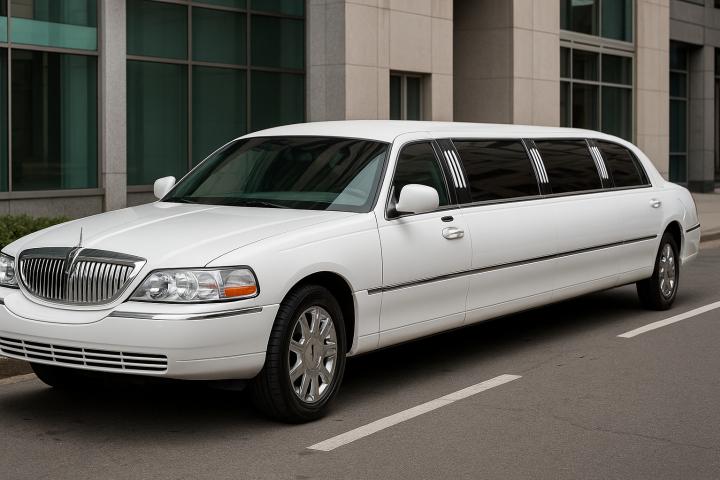
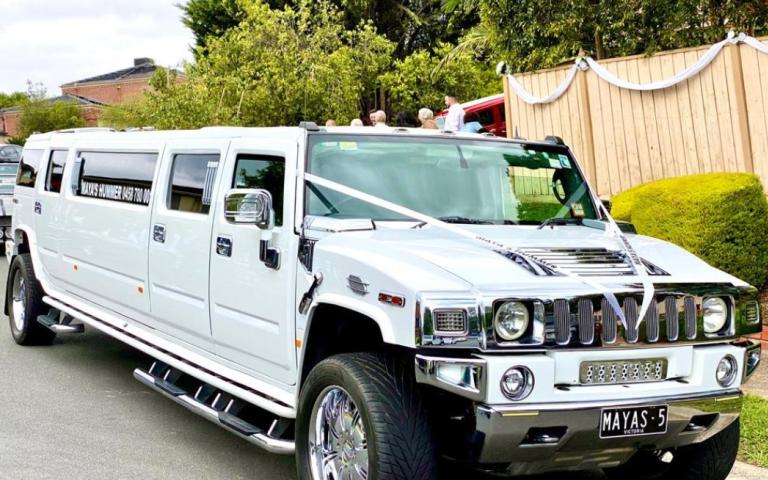
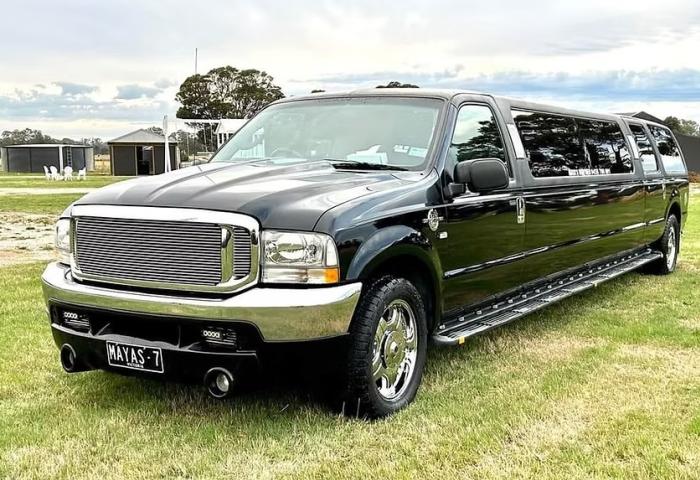
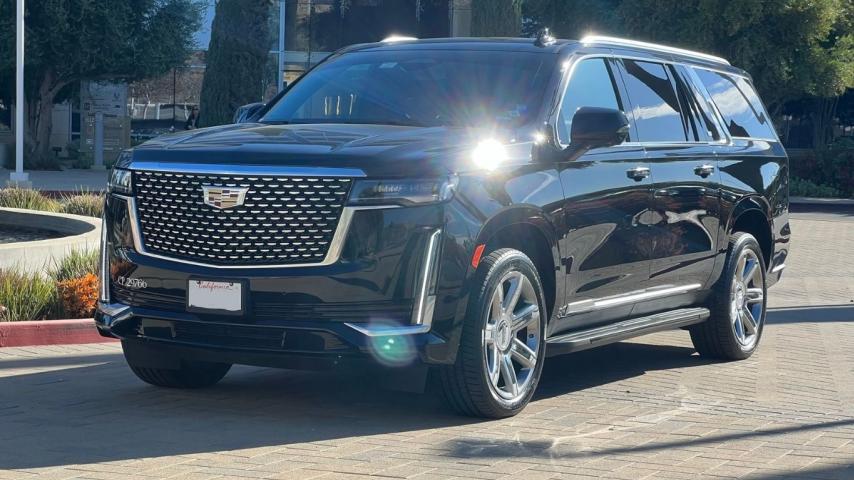
For a classic 8–10 passenger stretch limo, expect roughly $120–$200/hour with a 3–4 hour minimum. Saturdays, wedding season (May–October), prom months, and December party weeks sit at the higher end and may extend minimums. Newer vehicles, stretch SUVs, and limo sprinters cost more. That’s normal. What’s not normal: a low teaser rate that balloons 35–50% once fees land.
The Five Places Overpaying Hides
1) “Included” Gratuity + You Tip
Again
Many operators auto-add 15–20% as a service charge. If you don’t know, you may
tip on top and overpay.
Fix: Ask “Is gratuity already included? If yes, I’ll handle any extra
directly with the chauffeur.”
2) Full-Hour Overtime Rounding
Run five minutes over a 4-hour window and get billed a full extra hour? That’s
common—but not universal.
Fix: Prefer companies that bill overtime in 30-minute increments
and agree on a buffer that keeps you under.
3) Multiplying “Small” Fees
Fuel 8% + admin 5% + facility 3% looks small; together it’s a second gratuity.
Fix: Ask for a line-by-line that consolidates all non-tax surcharges
into one number.
4) Vehicle Bait-and-Switch
You paid for a newer stretch; a tired interior shows up.
Fix: Request current photos (interior and exterior) of the
exact vehicle and confirm the model year in writing.
5) Routing and Curb Chaos
Multiple pickups, event congestion, or unclear doors at hotels/venues burn
time—your money.
Fix: Consolidate pickups to one point and share exact door numbers and
loading notes up front.
Quick “Am I Overpaying?” Audit (3 Minutes, Max)
- Do I have one all-in total in writing?
- Is the overtime billed by the half hour?
- Are gratuity and fuel clearly disclosed (and not duplicated)?
- Do I have the vehicle’s actual photos and model year?
- Is there a clear itinerary with door numbers and timing buffers?
If you answered “no” to two or more, you’re set up to overpay—either in fees or overtime.
Anatomy of a Fair Toronto Invoice (Illustrative)
- Base: 4 hrs × $150 = $600
- Fuel 7%: $42
- Service/Gratuity 15%: $90
- Tolls/Parking: $20
- Subtotal: $752
- HST 13%: $97.76
- All-in Total: $849.76
Compare that to a “$129/hr” teaser that later adds 10% fuel, 18% “admin,” 20% gratuity, and rounds overtime to a full hour—you’ll blow past $1,000 without a better car or better service.
The Toronto Variables That Change the Math
Season & Day: Saturday evenings, long weekends, and peak wedding/prom
weeks are premium. Flexing to a weeknight can shave 10–20%.
Weather: Winter adds prep (de-ice, warm-ups) and safe-driving time.
Build a buffer to avoid overtime.
City Events: Leafs games, concerts, marathons, TIFF—curbs clog. A
seasoned operator will plan staging and alternate routes; you pay for
competence, not just a seat.
Vehicle Type: Stretch SUV and sprinter limos cost more but can be better
dollars-per-seat for larger groups.
Tactics That Lower Cost Without Killing the Experience
- Bundle the “showtime” window. Use sedans/SUVs for utilitarian transfers; keep the stretch for photos and arrivals.
- Consolidate pickups. One meeting point beats three curb waits.
- Slide the start by 15–30 minutes. Sometimes this keeps you in a cheaper block or under a likely overtime threshold.
- Plan the route. Sequence stops sensibly; skip zigzags across the city at rush hour.
- Assign a point person. One communicator keeps the clock moving and prevents “Where is everyone?” delays.
Red Flags (Politely Walk Away)
- Won’t provide all-in total with tax, fees, and overtime rules.
- Vague vehicle details or stock photos only.
- Cash-only demands or reluctance to show insurance/licensing.
- Aggressive upsells for basics (glassware, ice) that should be included.
- No written confirmation of curb locations, times, or contact info for the chauffeur.
You’re not buying drama; you’re buying reliability.
Negotiation, But Make It Toronto-Polite
- “If I consolidate pickups to a single location, can we keep this inside four hours?”
- “Does shifting the start by 20 minutes avoid another billable hour?”
- “If I prepay today, can we lock this all-in total?”
- “Please confirm overtime is in 30-minute increments and gratuity is already included.”
Clear, respectful, and specific beats haggling for the sake of it.
When Paying More Is Actually Smart
- Once-in-a-lifetime events (weddings, milestone birthdays): newer vehicle, veteran chauffeur, precise staging—worth the premium.
- Complex itineraries with tight timing and photo stops: experience avoids overtime and missed moments.
- Winter nights or heavy rain: safety, comfort, and punctuality trump bargain hunting.
Cheap can be very expensive if the car arrives late, looks tired in photos, or the driver can’t stage at your venue.
The Bottom Line
You overpay for a Toronto stretch limo when you chase a low hourly rate and ignore the invoice mechanics: gratuity, fuel, HST, tolls, overtime, and logistics. Flip the script. Demand one all-in number, verify the exact vehicle, lock overtime rules, and simplify your route. Do that, and you’ll pay a fair price for the night you actually want—calm, coordinated, and right on time.