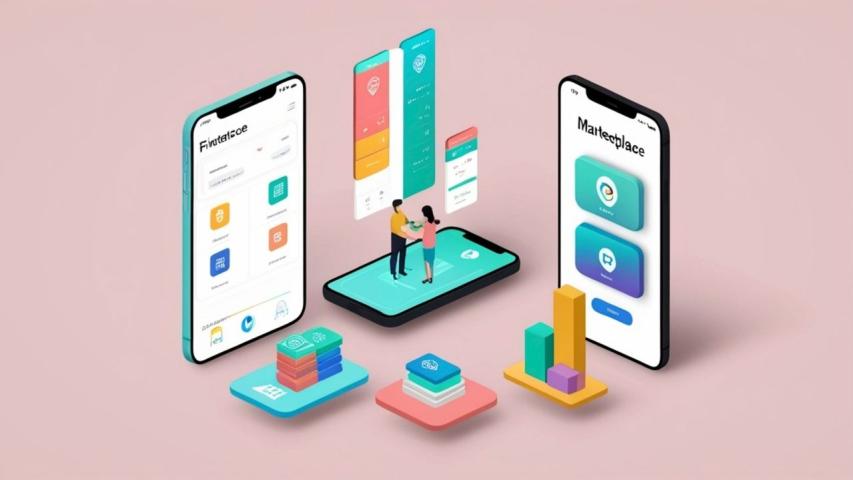
In today's fast-moving digital world, mobile phones have become essential to everyday life. From communication and entertainment to digital payments and online services, mobile phones are central to how people in India connect and transact. With this rapid rise in mobile usage, the demand for mobile recharge services has also increased. As a result, mobile recharge software is emerging as a key tool for digital retailers, helping them serve customers more efficiently and grow their businesses.
Digital retailers across India, especially in small towns and rural areas, are using mobile recharge software to offer multiple services under one platform. This technology is making it easier for them to earn commissions, reach more customers, and become trusted digital service providers in their communities.
What Is Mobile Recharge Software?
Mobile recharge software is a digital platform that allows retailers and agents to recharge prepaid mobile numbers, DTH accounts, data cards, and even offer utility bill payments. Most software solutions are multi-operator, meaning a single system can handle recharges for different mobile service providers like Airtel, Jio, Vodafone Idea, and BSNL.
These platforms often come with additional features such as:
-
Real-time recharge processing
-
Commission management
-
Recharge history tracking
-
Multiple operator API integration
-
Secure payment gateways
By offering a seamless experience for both retailers and customers, mobile recharge software helps simplify transactions and improve service delivery.
How It Empowers Digital Retailers in India
1. Boosts Income Opportunities
One of the biggest advantages of mobile recharge software is the potential to earn commissions. Digital retailers can earn money on every recharge they process. Additionally, when they offer services like bill payments or money transfers, their income potential increases further.
2. Improves Customer Service
Customers prefer shops where they can recharge any mobile number quickly and without errors. Mobile recharge software automates the process, reduces the chances of manual mistakes, and ensures that transactions are processed instantly. This increases customer satisfaction and builds trust.
3. Multi-Service Business Model
Most mobile recharge software platforms also include services like:
-
DTH recharges
-
Utility bill payments
-
PAN card services
-
AEPS cash withdrawal
-
Money transfer services
Retailers using such platforms are no longer limited to just recharges—they become digital service hubs for their communities.
4. Accessible and User-Friendly
The best mobile recharge software platforms are designed to be simple and easy to use. Even those with limited digital knowledge can quickly learn to operate the system. With mobile app versions available, agents can work from their smartphones, making it even more convenient.
Supporting India's Digital India Mission
Mobile recharge software plays a vital role in supporting the Indian government’s Digital India initiative. By enabling small shopkeepers and retailers to provide digital services, this technology helps:
-
Promote digital financial inclusion
-
Reduce the rural-urban digital gap
-
Encourage cashless transactions
-
Empower micro-entrepreneurs and startups
Digital retailers using mobile recharge software are also contributing to the shift away from cash-based systems and helping build a more connected and efficient digital economy.
Key Features to Look for in Reliable Mobile Recharge Software
If you’re a digital retailer or thinking of becoming one, here are some must-have features to look for in a mobile recharge software solution:
-
All-operator support (Airtel, Jio, VI, BSNL)
-
High uptime and speed
-
Commission structure and management tools
-
Admin panel for tracking users and agents
-
Security with OTP and transaction logs
-
Support for mobile and web platforms
-
Multi-API support for backup recharge options
Selecting a feature-rich software solution ensures smooth operations and helps retailers maintain customer satisfaction.
Mobile Recharge Software and Rural Empowerment
The impact of mobile recharge software is most visible in rural India, where access to traditional banks and digital services is limited. Local retailers using this software are filling this gap by offering essential services. They help customers:
-
Recharge phones without traveling far
-
Pay bills on time
-
Access government subsidies through AEPS
-
Transfer money to families in other states
This grassroots-level empowerment is bringing more people into the digital economy and helping bridge the digital divide.
The Future of Mobile Recharge Retailing
The growth of mobile recharge services is expected to continue, especially with the rise of digital payments and smart devices. Upcoming trends include:
-
Integration with UPI and QR payments
-
Voice-based recharge systems for easier use
-
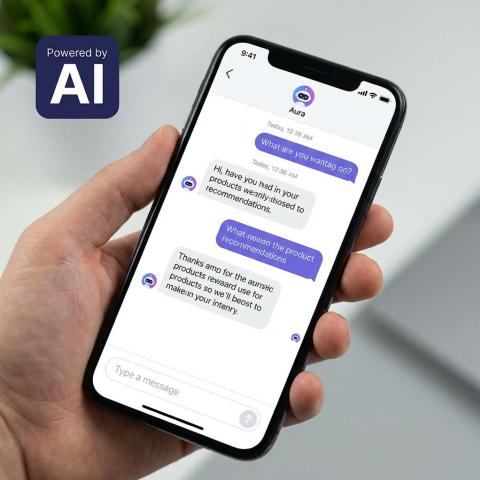
AI-based customer support in apps
-
Cloud-based multi-agent platforms for better scalability
Retailers who adopt modern mobile recharge software will be better positioned to grow their customer base and increase earnings in this evolving landscape.
Conclusion
Mobile recharge software is more than just a tool—it’s a powerful solution that empowers digital retailers across India. From enabling instant recharges to offering value-added services, it transforms small shops into full-service digital outlets. These platforms help build customer trust, boost local incomes, and strengthen the backbone of India’s digital economy.
As technology continues to evolve, mobile recharge software will play an even more important role in making digital services accessible to all. Whether in a city or a remote village, every digital retailer can benefit from this innovation and contribute to India’s digital progress.
In this growing ecosystem, companies specializing in mobile recharge software development are helping retailers by building reliable, scalable, and secure platforms that meet the demands of both urban and rural markets.