Welcome to the desert oasis where innovation meets blockchain! Dubai isn't just about luxury cars and towering skyscrapers anymore — it's becoming a global hub for crypto and blockchain technology. So if you're wondering how to create a crypto wallet in Dubai, you're definitely on the right track.
Whether you're a crypto wallet developer, a startup founder, or just someone excited about entering the crypto space, this crypto wallet development guide will explain everything simply, clearly, and with a touch of fun.
What is a Crypto Wallet?
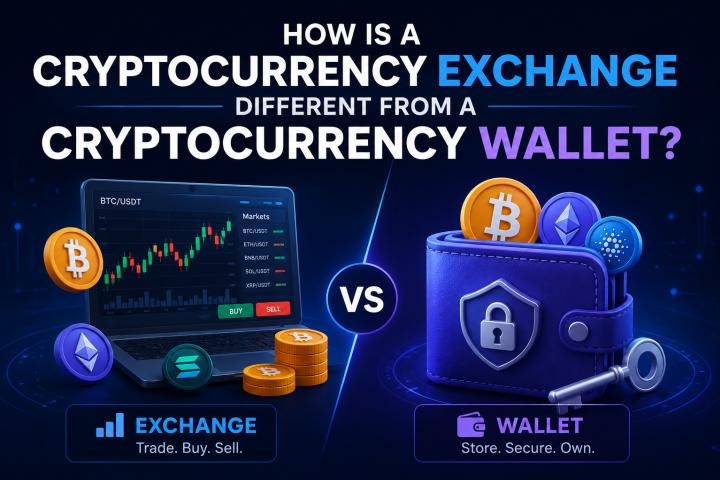
Think of a crypto wallet like your digital backpack — it holds your cryptocurrencies, keeps them safe, and lets you send and receive coins like Bitcoin, Ethereum, or even those cool new tokens from the latest NFT project. But here’s the kicker — unlike your regular bank wallet, this one doesn’t hold money. It stores private keys that prove you own your crypto.
There are two major types of wallets. Hot wallets are connected to the internet—think mobile apps, browser extensions, or desktop applications. Cold wallets, on the other hand, are offline and include hardware and paper wallets, making them much harder to hack.
Why Build a Crypto Wallet in Dubai?
You might ask, "Why not just build one anywhere else?" Good question. Here's why Dubai rocks for crypto development. First, Dubai has emerged as a crypto-friendly city thanks to proactive regulation, especially with the creation of the Virtual Assets Regulatory Authority (VARA). Second, there are amazing tax benefits, including zero income tax on crypto gains. Third, it’s a hotspot for innovation, startups, and blockchain conferences, meaning you’ll be in the company of like-minded tech enthusiasts. And lastly, it’s relatively easy to get the proper licenses in crypto-supportive zones like DMCC and DIFC. In short, Dubai is the new Silicon Valley for Web3.
Step 1: Define Your Crypto Wallet Type and Features
Before you even start coding or hiring someone to do it, you need to figure out what kind of Crypto wallet you're building. Do you want a custodial wallet where you manage the private keys on behalf of users or a non-custodial wallet that gives users full control? Will your crypto wallet support just Bitcoin, or also Ethereum, ERC-20 tokens, NFTs, or stablecoins? Do you want it to support multiple cryptocurrencies and token types? And how about features like biometric authentication, transaction history, or two-factor authentication? These decisions will shape everything from your user interface to your technology stack and security protocols.
Step 2: Choose the Right Blockchain Platform
Once your crypto wallet concept is clear, it’s time to choose the right blockchain platform. Ethereum is a top choice because of its flexibility, widespread developer support, and integration with DeFi applications. It's EVM-compatible, meaning you can deploy smart contracts and interact with a large ecosystem. Bitcoin, although limited in smart contract capability, remains a popular choice for crypto wallets focused on simple peer-to-peer transfers and mainstream adoption. Binance Smart Chain is another solid option. It's fast, low-cost, and also EVM-compatible, making it a favorite for crypto wallet developers looking to reach users without the high fees of Ethereum. Your crypto wallet development choice depends on your goals and the type of user experience you want to offer.
Step 3: Partner with a Crypto Wallet Development Company
Unless you’re a full-stack developer with blockchain experience, you’ll probably need help. This is where a professional crypto wallet development company will aid you in Dubai can be a game-changer. These companies offer everything from blockchain architecture design and UI/UX wallet design to smart contract auditing and post-launch support. A big plus is their familiarity with local laws and compliance requirements, which means they can help you avoid any legal missteps. When choosing a partner, make sure they’re well-versed in blockchain security, KYC/AML protocols, and user data protection.
Step 4: Ensure Compliance with VARA Regulations
You can’t just launch a crypto wallet and hope for the best. Regulatory compliance is essential, especially in a tightly regulated market like Dubai. To operate legally, you must register with VARA or a free zone authority like DMCC or DIFC, depending on your business location. You’ll need to implement strong KYC (Know Your Customer) and AML (Anti-Money Laundering) protocols, publish a clear privacy policy and ensure compliance with both UAE’s Data Protection Law and international standards like GDPR. A legal advisor or blockchain consultancy in Dubai can help you tick all the right boxes.
Step 5: Develop, Test & Launch Your Wallet
Once your legal framework is solid, it’s time to roll up your sleeves and start building. Begin with the core features: user registration and login, wallet address generation, token swapping, sending and receiving funds, transaction history, portfolio tracking, and security layers like PIN codes or biometric locks. Testing is the most critical phase. Run your crypto wallet through security audits, stress testing, and user feedback loops to find and fix bugs. Make sure your crypto wallet app runs smoothly on all devices, including iOS, Android, and desktop platforms. The last thing you want is a buggy launch that damages user trust.
Step 6: Launch and Promote
Once your crypto wallet is tested and ready, it's launch time! But building it isn’t enough — you’ve got to get the word out. Collaborate with crypto influencers, post on Web3 Twitter (a.k.a. Crypto Twitter), and run paid ads on blockchain sites and Reddit communities. Participate in local crypto expos and events — Dubai is full of them year-round. Launching a bounty campaign can also help you bring in early users. And if your wallet has a mobile app, don’t forget to optimize your listing for app stores with the right keywords and visuals.
Bonus Tips: Features Users in Dubai Love
Dubai’s crypto crowd is unique, and your wallet should reflect that. Offer multi-language support — English and Arabic are a must. Integrate Zakat calculators for Muslim users who need to calculate their charitable obligations on crypto holdings. Consider support for gold-backed tokens and stablecoins pegged to AED, which are gaining traction in the region. For even more appeal, integrate with local exchanges and payment gateways so users can easily buy and sell crypto with local currency.
Conclusion
Creating a crypto wallet in Dubai isn’t just a tech dream — it’s a real, tangible opportunity. With strong legal backing, a supportive business environment, and a tech-savvy user base, Dubai offers one of the best launchpads in the world for crypto wallet innovation. Just make sure you do your homework, stay compliant with VARA regulations, and focus on creating a secure, user-friendly experience. Because when it comes to crypto, users don’t just want cool features — they want trust, speed, and peace of mind.
FAQs
1. Do I need a license to create a crypto wallet in Dubai?
Yes, if you plan to operate it commercially or handle user funds, you’ll need regulatory approval from VARA or from a specific free zone like DMCC or DIFC.
2. How much does it cost to build a crypto wallet in Dubai?
The cost can range from $20,000 to $150,000 depending on the complexity, security integrations, features, and supported blockchains.
3. Can I build a crypto wallet without coding skills?
Yes, you can use white-label wallet solutions or hire a blockchain development company in Dubai to handle the technical work for you.
4. What is the best blockchain to use for a crypto wallet in Dubai?
Ethereum and Binance Smart Chain are popular choices due to their flexibility, wide adoption, and compatibility with smart contracts and DeFi.
5. Are crypto wallets legal in Dubai?
Absolutely. Crypto wallets are legal in Dubai as long as they comply with local regulations, especially those set by VARA and relevant free zone authorities.
4o