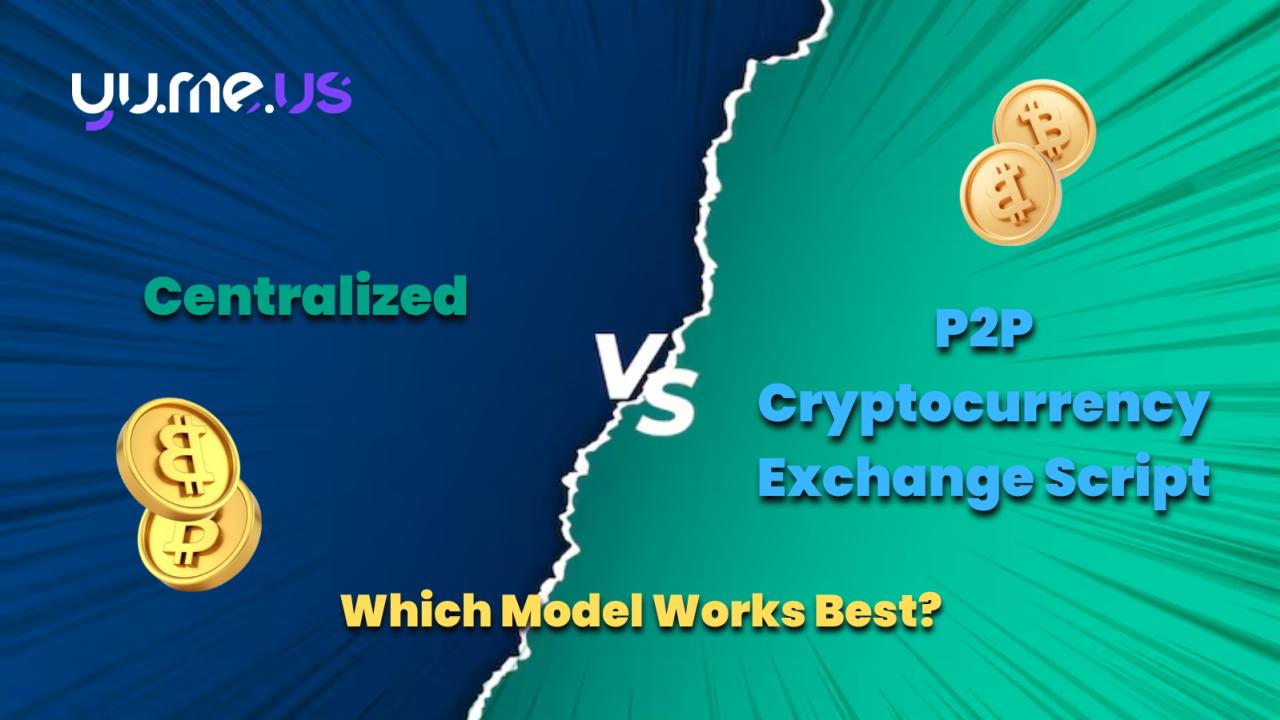
The cryptocurrency market is in its infancy, and entrepreneurs and businesses are already experimenting with exchange-based business models. Centralized exchanges (CEX) and peer-to-peer (P2P) exchanges are the most popular of those available. Companies are adopting business solutions such as exchange scripts when establishing such platforms to save time and money. It is important to know the differences between centralized and P2P models before making the right choice.
Centralized Cryptocurrency Exchange Scripts.
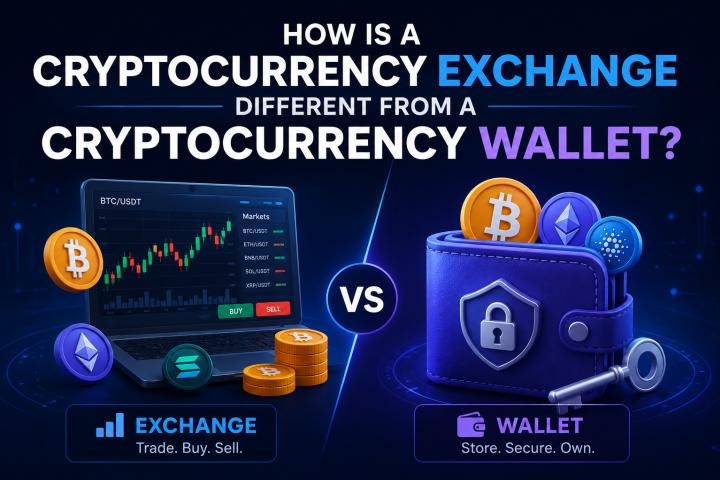
A cryptocurrency exchange is centralized, and it is controlled by an authority that handles user accounts, liquidity, matching orders, and security. Centralized exchange scripts are built to follow this paradigm by providing better trading engines, administrative controls, and high-speed transactions.
Centralized platforms are suitable when clients seek instant trades, high liquidity, and professional trading features such as limit orders, margin trading, and advanced charts. Centralized exchanges offer predictable returns based on trading fees and listing fees, based on the business.
However, centralized platforms must have a powerful infrastructure and be under 24/7 security, as well as strict compliance policies. Any vulnerability in the system can affect the entire exchange and carries a very high level of operational liability.
What is a P2P cryptocurrency exchange script?
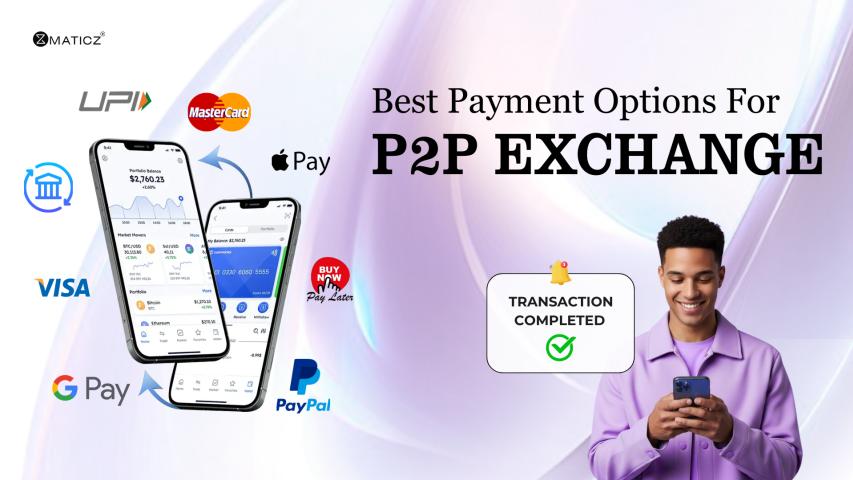
A P2P cryptocurrency exchange script is a decentralized trading model in which users trade directly among themselves without a centralized trading group. The platform plays the role of an intermediary, along with escrow services, dispute resolution, and automation of trading.
This trend towards the need for decentralized trading, especially in places where there are regulatory or banking restrictions, has contributed to the increased appeal of P2P crypto exchange scripts. Users are in a position to have more control over pricing, payment options, and trading terms, which improves accessibility to the platform.
From a business perspective, P2P exchanges are less difficult to operate as they do not involve a large liquidity supply. Revenue comes in the form of commissions, escrow fees, and premium features.
Important differences between centralization and the P2P model.
Control and security
User funds are held on centralized exchanges, so they are responsible for the safety of the assets. Conversely, since funds are only in escrow while a trade is in progress, P2P platforms reduce security risks.
Liquidity management
Market makers and liquidity providers are more important on centralized exchanges. P2P exchanges do not rely on liquidity provided by users, making it more flexible and cost-effective to start.
Compliance and Regulation
There is greater regulatory scrutiny of centralized platforms. P2P exchanges are more flexible, although compliance tools such as KYC and AML can also be used to suit local requirements.
User Trust and Transparency
P2P websites facilitate openness as users are free to choose their trading partners and payment methods. Trust is established by escrows without centralizing funds.
Which of the two models is more profitable?
Market strategy determines profitability, not the model. Centralized exchanges are effective in high-volume markets and with experienced traders. However, they increase operational costs and security.
P2P exchanges have lower maintenance costs and are more scalable because they are backed by a P2P crypto exchange development company. This makes them suitable for startups targeting emerging markets or mainstream users.
Trends in the market supporting P2P exchange scripts.
Market conditions in recent years have created a desire to focus on decentralized trading and a trading model in which users control it. The demand for privacy-friendly platforms, regulatory uncertainty, and limitations on bank payments are some of the factors that have increased the use of P2P models.
This has made the P2P cryptocurrency exchange development company popular among many entrepreneurs who now want to launch flexible and scalable platforms with P2P cryptocurrency exchange scripts.
Choosing the right model for your business.
The decision on centralized and P2P exchange scripts is based on the following:
- Target audience
- Regulatory environment
- Available investment
- Long-term scalability goals
P2P solutions are generally more convenient for businesses that are in a hurry, want to reduce risk, and want to expand their market coverage. Meanwhile, companies with well-funded and regulatory-compliant operational systems may enjoy centralized models.
Conclusion
P2P exchange scripts and centralized exchange scripts have their advantages. While centralized exchanges are much better in terms of liquidity and sophisticated trading capabilities, P2P solutions are characterized by flexibility, low cost, and user control. As the demand for decentralized commerce increases, P2P cryptocurrency exchange scripting continues to accelerate as the business model of the future.