Imagine this: a user signs up on your P2P exchange, finds the perfect trade, agrees on the price, and then drops off because their preferred payment method isn’t supported.
That’s not a technical glitch. That’s a business mistake.
In a P2P exchange, payment methods are not just features. They are the bridge between buyers and sellers. The more flexible and region-friendly your payment options are, the more active your marketplace becomes. If you’re building or planning a P2P platform, this blog will help you understand which payment methods truly matter and why choosing the right mix can directly impact liquidity, trust, and user growth. Let’s break it down clearly.
Bank Transfers: The Foundation of P2P Trading
Bank transfers remain the most trusted and widely used payment method in P2P exchanges. Whether it’s domestic transfers, SEPA, ACH, IMPS, or other local systems, users feel secure using their banks.
Bank transfers work especially well for larger trades. They are familiar, trackable, and easy to verify in disputes. If your exchange plans to operate in multiple regions, supporting local bank systems in each target country is critical. Without it, you immediately limit adoption.
Bank transfers form the foundation. Everything else builds on top of it. If you skip local bank integration, you limit your reach from day one
Digital Wallets: Speed Matters
While bank transfers are stable, digital wallets are fast. Services like PayPal, Skrill, Neteller, and regional wallet providers allow near-instant payments.
In P2P trading, speed builds confidence. When buyers can pay quickly, and sellers can confirm just as fast, trades close smoothly. This improves user experience and keeps your order book active.
Digital wallets are especially popular among younger users and those who trade frequently. They may come with higher fees, but for many users, convenience outweighs cost.
While fees may sometimes be higher, convenience often wins. If your goal is volume and fast turnover, digital wallets are essential.
Regional Payment Systems
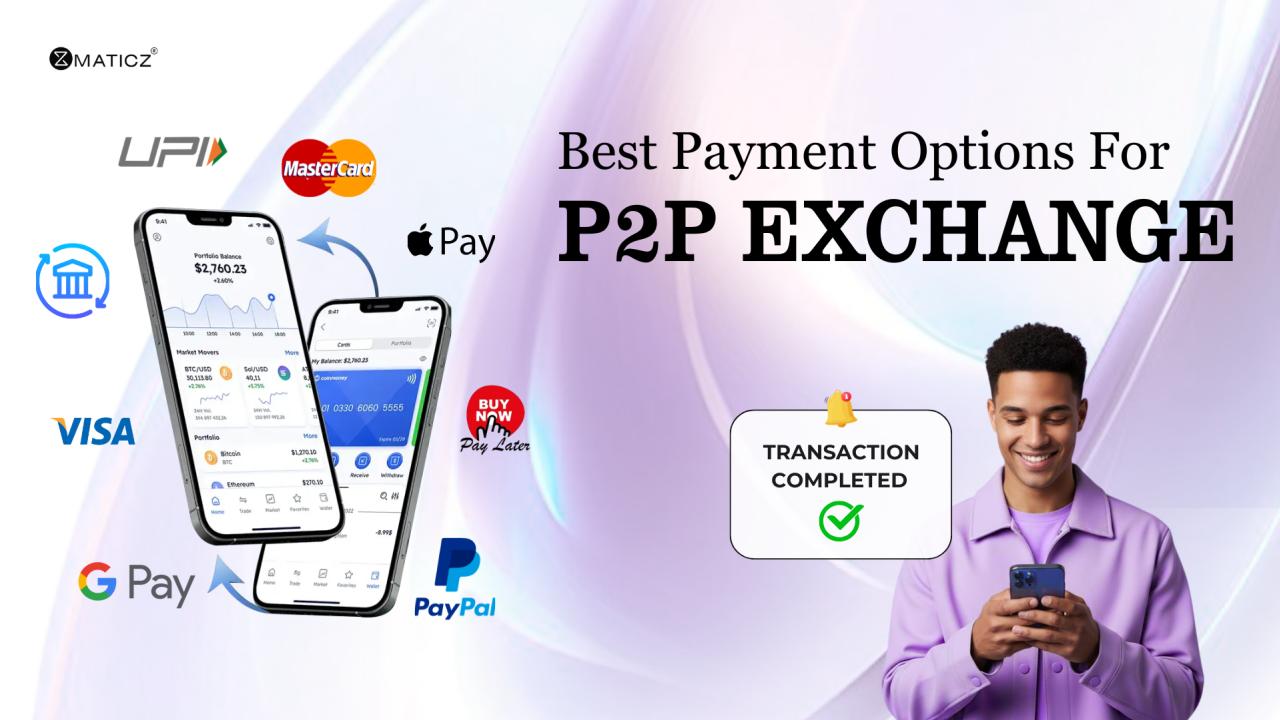
Each region has its own preferred gateways. In some countries, local fintech providers dominate daily transactions. In countries like India, Brazil, and parts of Southeast Asia, instant payment systems dominate daily transactions. UPI in India, PIX in Brazil, and similar systems elsewhere have changed how people move money.
These systems are simple, mobile-friendly, and often free or low-cost. For a P2P exchange targeting these regions, integrating such instant payment methods is not optional, it’s expected.
Ignoring them is like opening a store without accepting the most common local currency.
Card Payments: Convenience with Caution
Debit and credit cards are one of the most requested payment methods, especially from newcomers. They’re easy, quick, and globally accepted.
However, they come with a serious concern, which is chargebacks. A user can reverse a transaction after receiving crypto, creating risk for sellers and your platform.
If you choose to integrate card payments, strong identity verification and escrow systems are essential. Managed properly, cards can help attract first-time users who are transitioning from traditional finance into crypto.
Cash Deposits: Still Relevant in Some Markets
It may sound old-fashioned, but cash deposits are still popular in certain regions. Buyers deposit money directly into a seller’s bank account through a branch or ATM.
This method appeals to users who prefer privacy or have limited access to digital banking tools. While it may not dominate globally, including it in specific regions can increase participation, especially in underbanked communities.
This might help you serve unbanked users, expand your reach in developing markets, and support offline-first communities. Of course, this also requires strict escrow and identity measures to protect both parties.
Mobile Payment Apps
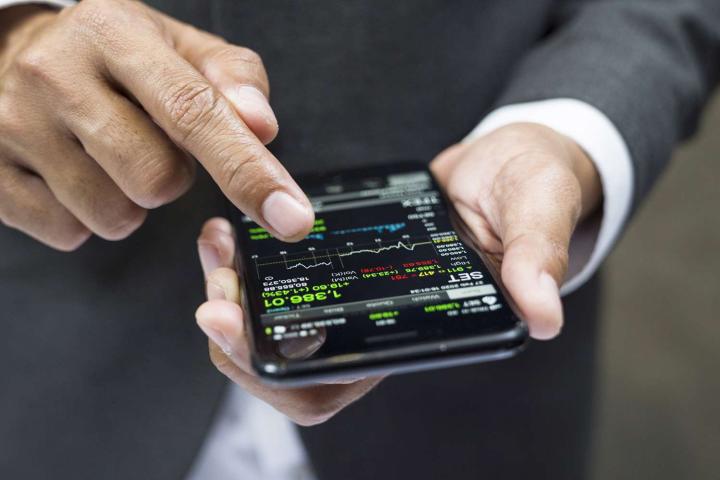
Apps like Google Pay, Apple Pay, and similar local alternatives are growing fast. Many users today rely entirely on their phones for financial transactions.
If your exchange has a strong mobile audience, integrating mobile payment apps isn’t optional anymore. These apps combine ease, familiarity, and quick execution. They also reduce friction for beginners who are not comfortable navigating complex financial systems.
Mobile-first users expect mobile-friendly payment options. If your P2P exchange has a strong mobile audience, these integrations can increase completed trades. The key is matching payment options to user behavior. Don’t assume everyone prefers traditional banking.
International Payment Services: Cross-Border Flexibility
P2P exchanges often serve global audiences. International payment services such as Wise or similar cross-border platforms allow users to transfer money between countries with lower fees than traditional bank wires.
If your exchange targets users across borders, enabling international transfer options expands your liquidity pool. It allows buyers and sellers from different countries to trade without unnecessary friction.
Cryptocurrency and Stablecoin Payments
Not every P2P trade involves fiat. Many users prefer swapping stablecoins or using other cryptocurrencies for payment.
Allowing stablecoin-to-stablecoin or direct crypto payments increases flexibility for experienced traders. It reduces dependency on banks and can speed up settlement significantly.
For platforms focused on serious crypto users, this feature adds strong value. When businesses approach P2P crypto exchange development, crypto-based payment flexibility often becomes a competitive advantage rather than just an added feature.
Buy Now, Pay Later (BNPL): A Bold Addition
Buy Now, Pay Later options are slowly entering the crypto space. While still new for P2P exchanges, BNPL can attract users who want short-term flexibility.
This method must be approached carefully due to regulatory and risk considerations. However, for certain markets, it can differentiate your platform and appeal to younger users who are already comfortable with installment-based payments. Although it’s not mandatory, it can be a strategic move.
Why Variety of Payment Methods Drives Liquidity
In a P2P exchange, liquidity depends on matching buyers and sellers quickly. If users see multiple payment options available, they’re more likely to find a trade that fits their situation.
More payment methods mean more flexibility. More flexibility means more completed transactions.
From a business perspective, this directly impacts revenue. Every successful trade contributes to platform activity, reputation, and growth.
While building exchanges, the payment integration strategy should be discussed with the P2P exchange development company as early as the core trading engine itself. Because it’s not an add-on feature, but central to the user experience.
Security and Escrow Cannot Be Ignored
No matter how many payment methods you support, security must remain strong. Escrow systems should lock crypto until payment confirmation is verified. Clear dispute management processes are equally important.
Payment flexibility attracts users, but security is what retains them. If users feel unsafe, they won’t return, no matter how many options you offer.
Every payment option you add must work smoothly with:
- Screenshot verification
- Transaction ID confirmation
- Time-bound release rules
Your payment strategy must align with your escrow design. If proof collection is messy, disputes increase. And when disputes increase, trust drops.
Final Thoughts
Choosing payment methods for your P2P exchange isn’t about ticking boxes. It’s about understanding your target audience. Where are they located? How do they normally pay for things? What feels fast and safe to them?
Start with strong bank transfer support. Add digital wallets for speed. Integrate instant payment systems where relevant. Consider cards and mobile apps carefully. And always back everything with solid escrow protection.
The right mix of payment methods doesn’t just make your exchange functional but makes it usable, scalable, and competitive.