
Your customers don’t want to repeat themselves. They don’t want to wait. And they don’t want to jump between disconnected channels. What they want is a smooth, connected experience, no matter how or where they choose to interact with you.
If you’re a bank or financial institution, this expectation is your new reality. People switch between mobile apps, websites, and physical branches every day. If these digital channels don’t work together, your customers won’t be satisfied. And when they do, they move on.
That’s where omnichannel banking steps in. It brings every banking channel together to offer one interconnected experience. Powerful tools like mobile banking software make this possible by supporting consistent, real-time access across platforms.
Let’s explore why it matters more than ever and how it can change the way your customers experience banking.
The Rise of Digital-First Banking
Today’s customers are starting their banking journeys online—not at a branch. This shift toward digital-first behavior is forcing traditional banks to rethink how they engage and serve customers across every channel.
Customers Prefer Digital Over Physical
More than 70% of banking customers now use mobile or internet banking as their primary channel. People want speed, convenience, and 24/7 access—which physical branches simply can’t match. This shift has made digital channels like mobile banking solutions the new front door for banks.
Expectations Are Higher Than Ever
Modern users expect seamless, instant, and personalized service—just like they get from leading tech brands. If a bank’s digital experience is slow, clunky, or inconsistent, customers are quick to switch to alternatives that offer better value and ease.
Branches Still Matter—But Differently
Physical branches aren’t going away, but their role is changing. Instead of handling routine transactions, branches are becoming advisory hubs. Customers still want human interaction, but only for high-value services like loans, wealth management, or issue resolution.
What is omnichannel banking, and why does it matter?
You can’t improve the customer experience without understanding what truly defines omnichannel banking. Let’s break it down.
Understanding omnichannel vs. multichannel
Multichannel means being available on several platforms. But each one operates on its own. Your mobile banking solution might not talk to your website or branch system.
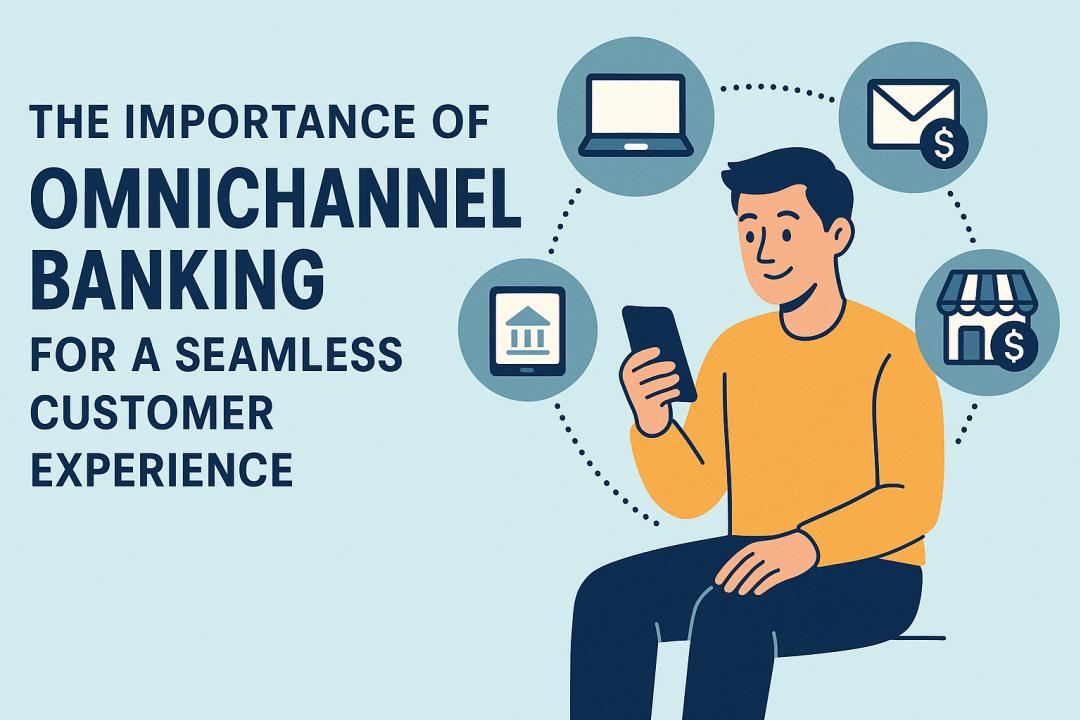
Omnichannel banking connects every channel. It lets your customers start a transaction on one platform and finish it on another without losing progress. That’s how a unified and consistent experience is built.
Customer behavior is changing—are you ready?
Your customers live in a connected world. They browse your app in the morning, use your ATM in the afternoon, and call your support in the evening. They expect you to keep track of everything in your system.
Research shows that 86% of customers expect conversations with banks to move smoothly across channels. If your systems don’t support that, you risk losing trust and business.
Common Omnichannel Challenges for Banks
While omnichannel banking offers a unified and seamless customer experience, banks often face several roadblocks during implementation. Let’s understand these challenges of omnichannel banking.
Legacy Infrastructure and Silos
Most banks still rely on legacy core systems that weren’t designed for omnichannel delivery. These systems often operate in silos, making it difficult to share customer data across channels in real time. This lack of integration disrupts the continuity of the customer experience and delays decision-making.
Channel Inconsistency
Customers expect the same experience whether they visit a branch, use a mobile app, or call support. But many banks struggle to maintain consistent services and messaging across all channels. This inconsistency leads to confusion and reduces trust in the brand.
Regulatory and Compliance Issues
Compliance with regulations like KYC, AML, and data protection laws can become more complex when multiple channels are involved. Ensuring that every channel follows the same compliance protocols requires continuous monitoring and frequent updates to internal systems.
Cost of Transformation
Shifting to an omnichannel model often demands significant investments in technology, integration, and training. For many banks—especially traditional ones—these upfront costs can be a major barrier, even if the long-term benefits are promising.
How omnichannel banking elevates CX in banking
CX in banking is very crucial. And here’s how omnichannel banking helps you win the battle.
Consistency across all touchpoints
You build trust when every channel delivers the same quality of service. Your mobile banking software should reflect the same branding, features, and data as your branch or website.
This consistency eliminates confusion and builds confidence. Your customers feel understood and valued, no matter how they connect with you.
Personalized and context-aware services
Omnichannel platforms use data from every interaction. That helps you serve your customers better. You can offer the right products at the right time without being intrusive.
For example, if a customer checks home loan options on your website, your mobile payment solutions can suggest relevant calculators or offers. This will show that you are paying attention to your customers' wants.
Frictionless payments and transactions
Your customers want to pay bills, send money, or check balances without delays. An omnichannel setup makes these transactions fast and effortless.
Whether they’re using mobile, desktop, or USSD, the process stays smooth. You reduce drop-offs and increase transaction success rates.
Improved customer support and resolution
A true omnichannel system keeps your support team updated. When customers switch from chatbot to phone, they don’t need to start over.
Support agents can see past interactions, solve issues faster, and create better experiences. That improves satisfaction and reduces handling time.
Higher engagement and satisfaction levels
The more convenient your services are, the more your customers feel satisfied with it. Omnichannel banking encourages this engagement.
When people feel in control and supported, they stick with you longer. This directly impacts retention, referrals, and wallet share.
Reduced operational costs
With everything connected, your staff spends less time switching between systems. Your customers solve problems faster through self-service tools.
You reduce errors, boost productivity, and cut costs. At the same time, it improves the overall experience for your customers. That’s a win-win.
Conclusion
Omnichannel banking isn’t just a tech upgrade; it’s a customer experience strategy. It helps you stay relevant, competitive, and profitable.
If you want your customers to stay loyal and engaged, you need to meet them where they are. Seamless banking starts with a unified approach. Now is the time to make that shift. A powerful digital payment solution can help you make it happen.