
In a world where sustainability and design are often at odds, bold innovation is bridging the gap. Once upon a time, recycled and eco-friendly products were considered inferior in appearance and quality. But no longer. Welcome to the new era where recycled acoustic materials aren't just saving the environment — they're elevating interior design with surprising beauty and performance.
Not Just Functional—Now Fashion-Forward
For decades, acoustic materials had one job: manage sound. But architects and designers wanted more — performance with personality. Enter recycled acoustic materials, which are turning heads in design studios across the globe.
These materials are often made from post-consumer waste like plastic bottles, reclaimed textiles, wood fibers, or industrial offcuts. While that might sound gritty and utilitarian, the finished product is often stunningly sleek—smooth textures, vibrant colors, and sculptural forms that can rival high-end decorative panels.
From Trash to Trendy: The Creative Chemistry
How do these materials go from landfill to luxury?
Let’s take PET felt panels as an example. These are made from recycled plastic bottles, processed into soft, dense mats that absorb sound like a charm. What surprises most is how customizable they are. Designers can cut, shape, dye, print, and even emboss these panels into artistic wall and ceiling installations.
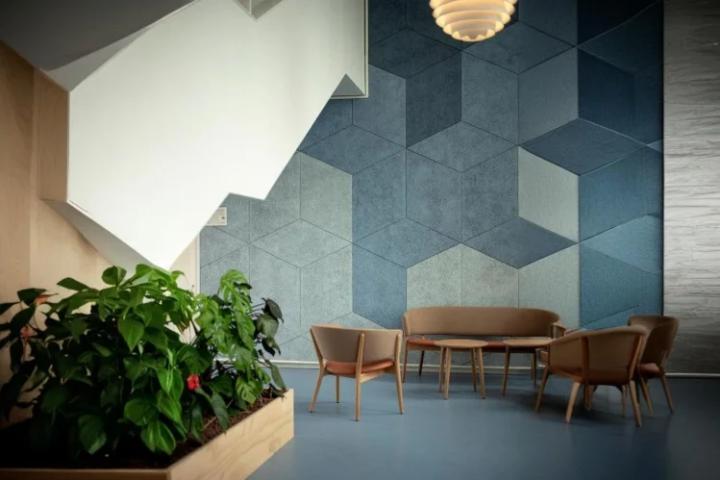
The once-drab world of acoustic materials is now full of geometric designs, color gradients, and 3D sculptural effects, all thanks to the versatility of recycled inputs.
Think Textiles, Not Tiles
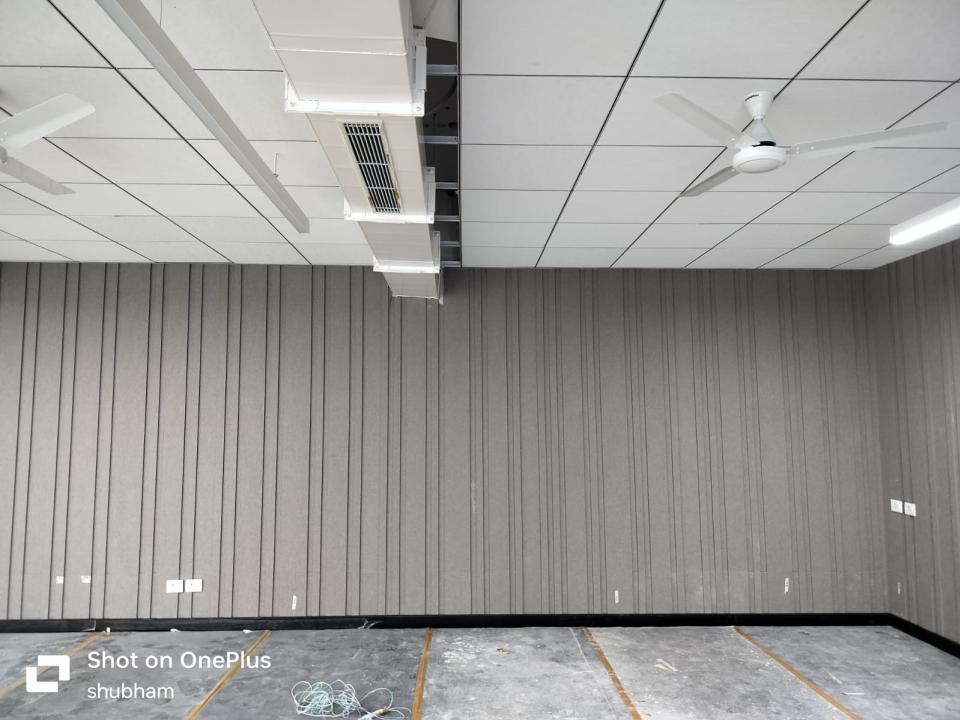
Forget the rigid, off-white panels of the past. Today’s recycled acoustic materials come in warm felt finishes, woven fibers, and wood-like textures. They're soft to the touch and warm to the eye, blurring the lines between design element and sound solution.
Some brands are even upcycling old wool coats or cotton shirts to create dense acoustic panels. These fiber-rich textiles are layered and pressed into panels that absorb noise beautifully while adding a textile-inspired aesthetic to interiors.
The design flexibility is endless — think ceiling clouds shaped like leaves, room dividers made of hanging felt strands, or modular wall panels that resemble contemporary art.
Performance Meets Planet-Friendly Purpose
While aesthetics have made a major leap, performance hasn’t taken a backseat. These acoustic materials still deliver what matters most: controlling reverberation, reducing echo, and creating a more comfortable sound environment.
Recycled versions are often tested and rated to meet (or exceed) the same acoustic standards as traditional counterparts. From open offices and hospitality spaces to classrooms and auditoriums, recycled acoustic solutions are proving their mettle in the most demanding environments.
Even better, many are now certified for low VOC emissions and meet global sustainability certifications such as LEED, WELL, and GreenGuard — making them a responsible choice for health-conscious and eco-aware projects.
Sculptural Statements in Corporate Spaces
One of the most exciting applications of recycled acoustic materials is in corporate environments. Offices are no longer sterile rows of desks. Instead, they are expressive, human-centered spaces that reflect company culture and brand identity.
Designers are using acoustic ceiling baffles, textured wall panels, and custom-printed felt partitions to introduce color, shape, and personality while enhancing sound quality. The bonus? These elements double up as brand storytelling tools—whether it’s using colors from a logo, patterns from a product, or even recycled content from the company’s own waste.
Educational and Institutional Spaces Get a Makeover
Gone are the days when classrooms had chalk dust and tinny acoustics. Today’s schools, colleges, and universities are investing in acoustic materials that support better learning outcomes.
Recycled acoustic solutions can be made into pin-up boards, creative wall patterns, and collaborative nooks that reduce distractions and amplify engagement. Since many recycled materials come in modular forms, schools can even involve students in the design—turning it into a creative and educational activity.
Hospitality Gets a Soft Touch
Imagine checking into a boutique hotel where the headboard, wall art, and lobby installations are all made from recycled materials that happen to also absorb noise. It’s not fantasy — it’s happening.
Hospitality designers are embracing recycled acoustic materials not just for their sustainability, but for the warm, inviting ambiance they bring. Whether it's a felt-lined booth in a café or a soft divider in a lounge, these materials contribute to a more intimate, less noisy environment, which enhances guest experience.
Designer's Dream: Customization Meets Consciousness
One of the standout features of today’s acoustic materials is customization. Many manufacturers offer a vast palette of colors, finishes, and cutting techniques to allow bespoke designs. Need a leaf pattern? Want a logo etched into a felt wall? Prefer modular tiles that snap together in endless configurations? It’s all possible.
With recycled content as the base, the ability to co-create with clients—bringing in visual storytelling, branding, and artistic expression—makes these materials especially appealing to interior designers.
Budget-Friendly Beauty
Surprisingly, many of these recycled acoustic materials are budget-friendly compared to traditional solutions. The use of post-consumer waste not only reduces environmental impact but can also reduce raw material costs.
For clients who are both budget- and eco-conscious, these products tick all the boxes: affordability, performance, aesthetics, and sustainability.
Future-Proofing Design
With increasing demand for sustainable building materials, recycled acoustics are not just a trend — they’re part of a design revolution. Forward-thinking firms are integrating circular economy principles into their specifications, and these materials play a key role.
Whether you're working on a retrofit, a new construction project, or a minimalist home studio, recycled acoustic materials ensure your design will be relevant, responsible, and resonant — literally and visually.
Final Thoughts
Design no longer has to choose between eco-conscious and aesthetically captivating. With the emergence of recycled acoustic materials, interiors can be quieter, greener, and more visually dynamic. Whether you're an architect, designer, or end-user, now is the time to embrace these smart, sustainable solutions that look far better than you'd expect—and sound even better.