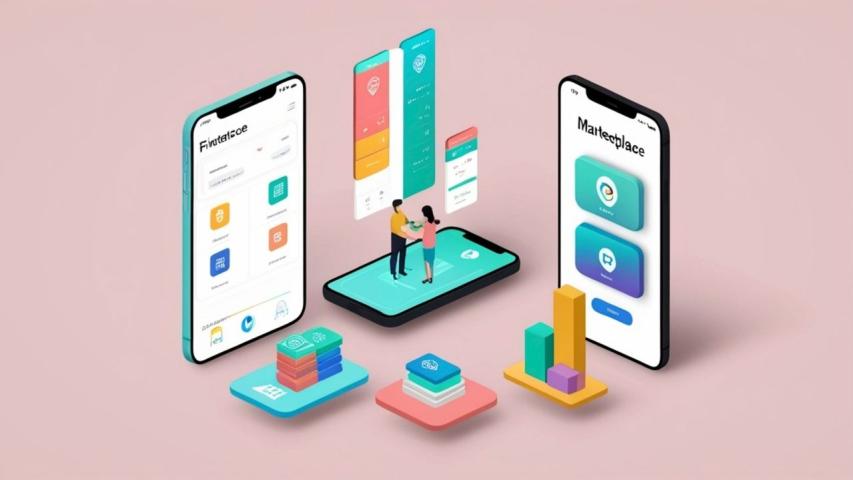
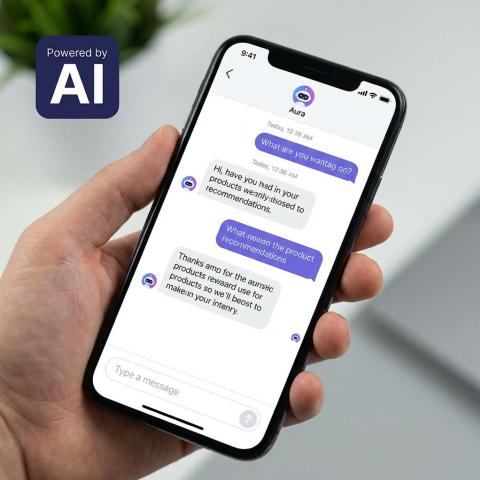
In 2025, Mobile Recharge Software development is playing a crucial role in changing the way digital retail businesses operate across India and beyond. With the rise of smartphones and internet connectivity, customers expect quick, secure, and easy recharge services. Mobile recharge software provides digital retailers with the tools they need to meet these demands efficiently, improve customer experience, and increase their income. This technology is not only simplifying recharge processes but also helping retailers expand their service offerings and compete better in the growing digital economy.
Let’s explore how mobile recharge software is transforming digital retail businesses and why it is essential for future growth.
1. Faster and Convenient Transactions
Mobile recharge software allows retailers to offer instant recharge services for prepaid mobile plans, DTH connections, and data cards. Customers no longer have to visit physical stores or stand in long queues. With a few clicks, recharges happen quickly, making the process more convenient.
This speed and ease improve customer satisfaction, encouraging them to return and use the retailer’s services repeatedly. Retailers with efficient recharge software stand out in the competitive market.
2. Multi-Operator and Multi-Product Support
One of the biggest advantages of mobile recharge software is the ability to support multiple telecom operators and products on a single platform. Retailers can offer recharges for popular operators like Airtel, Jio, Vodafone Idea, and more, all in one place.
Besides mobile recharges, many software solutions include utility bill payments, data card top-ups, and digital gift cards. This variety attracts more customers and helps retailers increase their revenue streams.
3. Real-Time Status and Confirmation
Trusted mobile recharge software provides real-time transaction status updates. Customers and retailers get immediate confirmation when a recharge is successful or if there is an issue. This transparency builds trust and reduces disputes or confusion.
Retailers can also keep accurate transaction records, making it easier to manage accounts and commissions.
4. Secure Payment Gateways
Security is a top priority in digital payments. Mobile recharge software integrates secure payment gateways, ensuring that customer data and money transfers are safe. Retailers can offer multiple payment options, including credit/debit cards, UPI, wallets, and net banking.
A secure platform protects businesses and customers from fraud and builds a reliable reputation in the market.
5. Commission and Incentive Management
Mobile recharge software often includes commission tracking and management features. Retailers can easily monitor their earnings from each recharge, check pending payments, and receive timely settlements.
Clear commission management motivates retailers to promote recharge services actively, helping grow their business.
6. User-Friendly Interface and Support
Many retailers may not have advanced technical skills. Good mobile recharge software comes with an easy-to-use interface, which requires minimal training. Simple dashboards, clear menus, and quick navigation make the software accessible to everyone.
Reliable customer support further ensures that retailers can resolve any issues quickly, keeping their service running smoothly.
7. Reports and Analytics
Modern mobile recharge software offers detailed reports and analytics. Retailers can track sales trends, popular products, customer preferences, and peak transaction times. These insights help businesses make informed decisions about marketing and inventory management.
Analytics also support better customer engagement by identifying opportunities for personalized offers and promotions.
8. Scalability and Integration
As digital retail businesses grow, their software needs also increase. Mobile recharge software that is scalable and supports easy integration with other business tools allows retailers to expand without switching platforms.
For example, integration with inventory management, accounting software, or loyalty programs helps streamline operations and enhance customer retention.
Conclusion
In 2025, Mobile Recharge Software development is more than just a tool for topping up mobile phones. It is a vital part of digital retail businesses that want to stay competitive, grow their customer base, and increase revenue. By offering fast, secure, and multi-operator recharge services with real-time updates and clear commission management, this software empowers retailers to meet the evolving needs of digital customers.
Retailers who adopt reliable and user-friendly mobile recharge software are better positioned to thrive in India’s fast-growing digital economy.