
In today's architectural landscape, aesthetics and functionality are no longer enough; acoustics has become an essential third pillar of successful design. Whether you're designing an open office, a healthcare facility, or a performance space, managing sound within the built environment is critical to user comfort and space effectiveness. For architects and project managers, one of the most versatile and effective tools for acoustic control is the integration of acoustic wall panels.
Why Acoustics Matter in Architecture
Poor acoustics can compromise the usability of a space. Excessive reverberation, sound transmission, and background noise interfere with communication, reduce productivity, and diminish user satisfaction. With the rise of open-plan environments, hard interior surfaces, and mixed-use spaces, acoustic control is more challenging—and more important—than ever before.
Sound affects how people feel and function. In a corporate setting, it can influence focus and collaboration. In education, it impacts comprehension. In hospitality and healthcare, it shapes comfort and wellness. As such, acoustic strategy must be considered at the earliest stages of design development.
Acoustic Wall Panels: A Targeted Solution
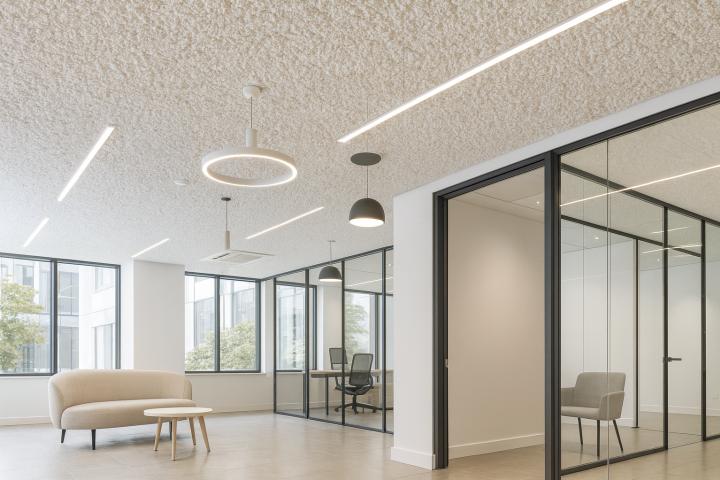
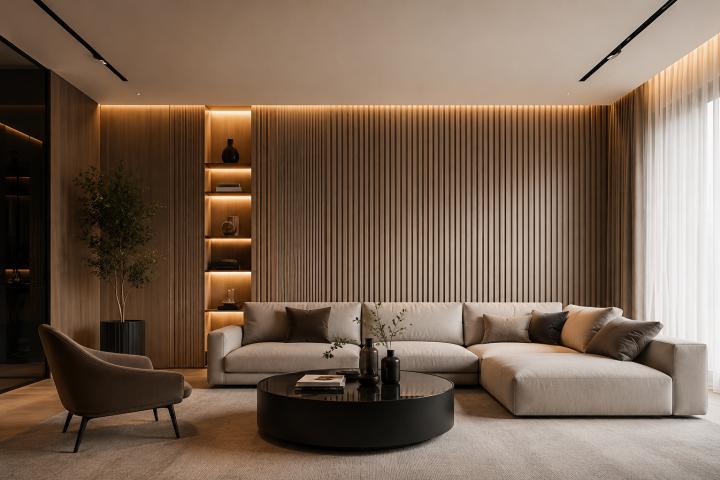
Acoustic wall panels are designed to absorb sound waves, minimizing echo and reducing ambient noise levels. Installed on vertical surfaces, these panels target mid- to high-frequency sound, helping to manage the acoustic profile of a room without sacrificing design intent.
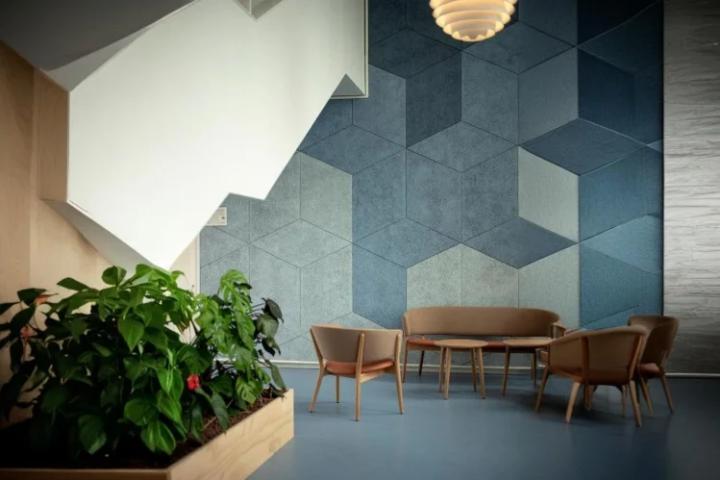
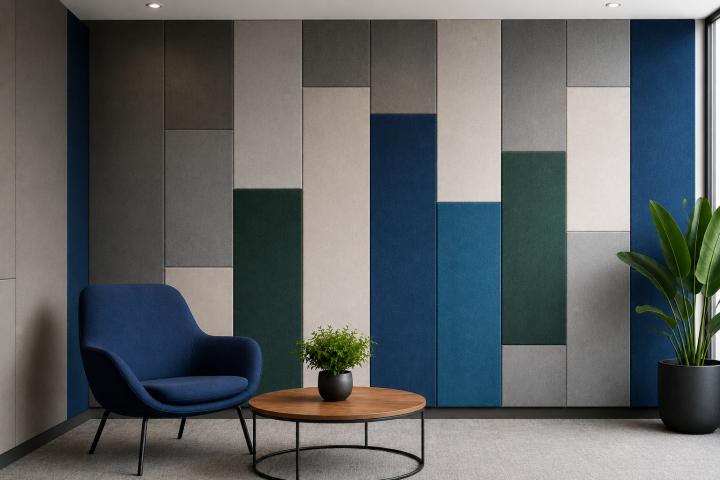
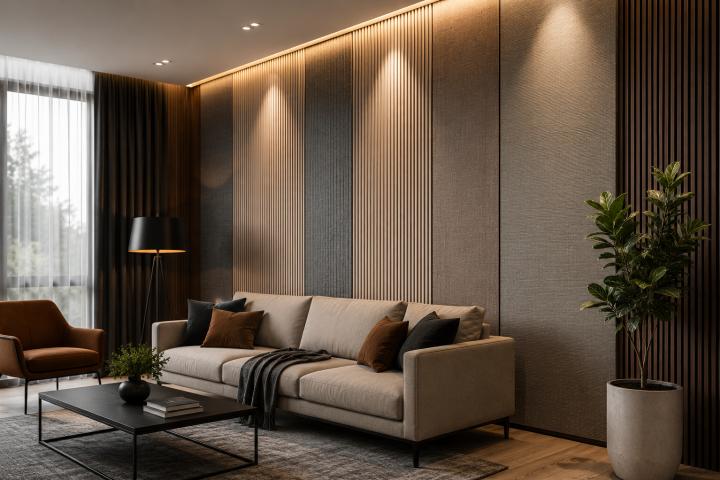
What sets acoustic wall panels apart is their adaptability. They come in a wide range of materials—fabric-wrapped fiberglass, perforated wood, felt composites, and more—allowing architects to tailor their look and performance to the project’s needs. Panels can be installed as full-wall treatments, modular configurations, or even as custom art features, offering both sound absorption and visual interest.
Design Integration and Aesthetic Flexibility
For architects, acoustic wall panels provide an opportunity to integrate acoustic performance directly into the visual narrative of a space. Whether used as a backdrop in a boardroom or as colorful feature walls in classrooms, these panels allow for acoustic tuning without compromising design goals.
Material selection, panel thickness, and installation method all affect acoustic performance. Products with a high NRC (Noise Reduction Coefficient) are ideal for spaces with high speech activity or potential noise buildup. Project managers must coordinate these choices with the broader project requirements, including fire codes, durability standards, and sustainability goals.
Applications Across Building Types
The versatility of acoustic wall panels makes them suitable across a wide variety of environments:
Offices: Reducing distractions and increasing speech privacy in open-plan settings.
Education: Improving clarity in lecture halls and classrooms.
Healthcare: Creating calmer, more peaceful environments in patient areas and waiting rooms.
Hospitality: Enhancing the ambiance in lobbies, restaurants, and lounges.
Cultural and Civic Buildings: Supporting clarity in theaters, galleries, and public forums.
Each of these settings benefits from tailored acoustic strategies, with wall panels playing a central role in managing internal sound dynamics.
Early Coordination for Optimal Results
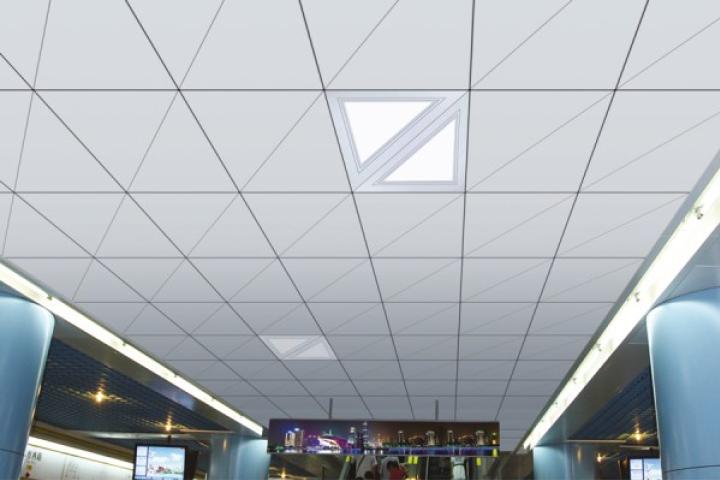
To maximize the impact of acoustic wall treatments, architects and project managers must prioritize acoustic planning early in the design process. Delayed decisions often lead to reactive solutions that compromise both form and function. Coordination with MEP, lighting, and interior design teams ensures that acoustic wall panels are seamlessly integrated, both visually and technically.
Sustainability is also a key consideration. Many manufacturers now offer eco-friendly acoustic products made from recycled or rapidly renewable materials, allowing teams to meet wellness and environmental certification goals without compromising acoustic performance.
Conclusion
In the evolving world of architecture, acoustics can no longer be an afterthought. Acoustic wall panels offer a powerful, flexible, and design-friendly solution for enhancing the sound quality of interior environments. By integrating these elements thoughtfully and early, architects and project managers can ensure that their projects not only look exceptional but also sound exceptional, too. Contact Now : https://www.tranquilglobal.com/contact-us.html