Discover how social media optimization services can improve your Meta ROAS by enhancing organic reach, reducing paid ad dependency, and improving engagement naturally.
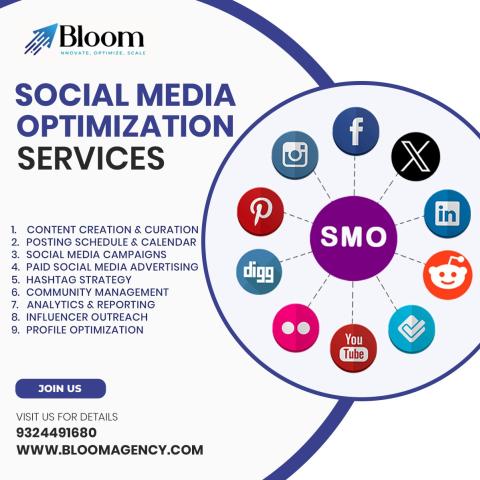
In the age of performance marketing, many businesses underestimate the long-term power of organic reach. Leveraging expert Social Media Optimization Services can dramatically improve your Meta Return on Ad Spend (ROAS), not just through paid strategies—but by building stronger, cost-efficient engagement funnels powered by content, community, and consistency.
The Changing Landscape of Meta Advertising
Meta (formerly Facebook) has become a cornerstone for online advertising. Its robust targeting options and cross-platform integration (Facebook + Instagram) make it a go-to for businesses seeking high ROI. But recent trends show a significant increase in CPMs and competition—making organic visibility a necessary complement to your paid campaigns.
SMO services don’t aim to replace Meta Ads. Instead, they amplify them.
What Is Meta ROAS — And Why It’s Harder to Maintain?
ROAS (Return on Ad Spend) is calculated by dividing your revenue from ads by the cost of those ads. A 4X ROAS means you’re earning ₹4 for every ₹1 spent. While ad managers tweak copy and targeting, social media optimization services work on the front end—ensuring organic content primes your audience before they even see an ad.
An optimized feed with relevant posts, consistent branding, and engaged communities improves click-through rates (CTR) and lowers your cost per acquisition (CPA). In other words, SMO does the heavy lifting before the first ad impression.
Why Organic Content Still Matters for Meta
Organic reach is often underestimated because of declining visibility metrics. But its indirect impact on paid performance is critical:
- Warmed-up Audiences: Users who've seen consistent organic content are more likely to trust your ads.
- Pixel Training: More interaction from organic posts helps the algorithm “learn” your ideal audience faster.
- Retargeting Opportunities: Engaged organic viewers become perfect candidates for retargeting at lower costs.
- Conversion Synergy: Combining paid CTAs with organic testimonials or educational content increases conversion rates.
Key Elements of SMO That Improve Meta ROAS
- Consistent Posting Schedule
SMO ensures a reliable presence across platforms, reinforcing your brand identity and improving your content's visibility. - Optimized Visuals and Reels
High-performing posts on Instagram or Facebook often lead with strong creative. SMO teams test visuals that are eye-catching, on-brand, and sharable. - Platform-Specific Strategy
What works on Facebook doesn’t always work on Instagram. SMO services tailor strategies to each platform to maximize traction. - Audience Interaction & Community Building
Replying to comments, creating polls, hosting AMAs—these human interactions drive algorithmic favor and build trust, which in turn helps ad performance. - Content Pillars that Align with Paid Messaging
Your ads work better when organic content supports the same message. For example, if your Meta ad promotes a webinar, your feed should include expert tips or behind-the-scenes posts that lead into the event.
Real-World Case: Organic SMO Cuts CPA by 27%
A mid-size apparel brand invested in daily storytelling reels and influencer collabs under the guidance of SMO experts. Within six weeks, their Meta ROAS increased by 2.3x while their cost-per-acquisition dropped by 27%. This was achieved without increasing the ad budget—purely by strengthening organic groundwork.
The SMO and Meta Ads Feedback Loop
Social Media Optimization Services and Meta Ads don’t operate in silos—they reinforce each other:
- More engaging organic content → More profile visits → Higher trust → Higher conversion.
- Strong SMO presence → More engaged page followers → Lower CPC in ad auctions.
- Good organic content → Better retargeting pools → Higher ROI.
This is a feedback loop businesses often overlook.
Tips to Maximize Organic ROI on Meta Platforms
- Use video-first content: Short-form videos outperform stills in both organic and paid.
- Leverage UGC (User Generated Content): Testimonials and user stories build social proof.
- Run organic polls or quizzes to gather insights before launching paid campaigns.
- Use Instagram Stories Highlights to categorize key content.
- Monitor content engagement to inform ad creative decisions.
Analytics That Matter for Organic SMO
While Meta Ads have clear ROAS tracking, SMO requires monitoring softer but no less important metrics:
- Engagement rate (likes, shares, comments per impression)
- Follower growth velocity
- Profile click-throughs from organic posts
- Saves and shares (virality indicators)
- Organic reach vs follower count
Top SMO services include these KPIs in their monthly reporting and optimize accordingly.
The Cost-Effective Advantage of SMO
Meta Ads can be expensive, especially for new or saturated industries. SMO provides:
- Long-term brand presence
- No pay-per-click costs
- Trust-building through consistent value
- An audience that’s already primed for your offer
While paid traffic is fast, organic growth is sustainable—and both together provide the best results.
Conclusion: Organic + Paid = Smart Meta ROAS Strategy
Meta’s ecosystem isn’t just for advertisers. It’s for creators, communities, and conversations. Businesses that invest in Social Media Optimization Services are not just chasing short-term wins—they’re building a long-term marketing asset.
Organic content influences perception, primes audiences, and makes every rupee spent on ads work harder. In today’s competitive ad environment, improving Meta ROAS isn’t just about spending smarter. It’s about building smarter.