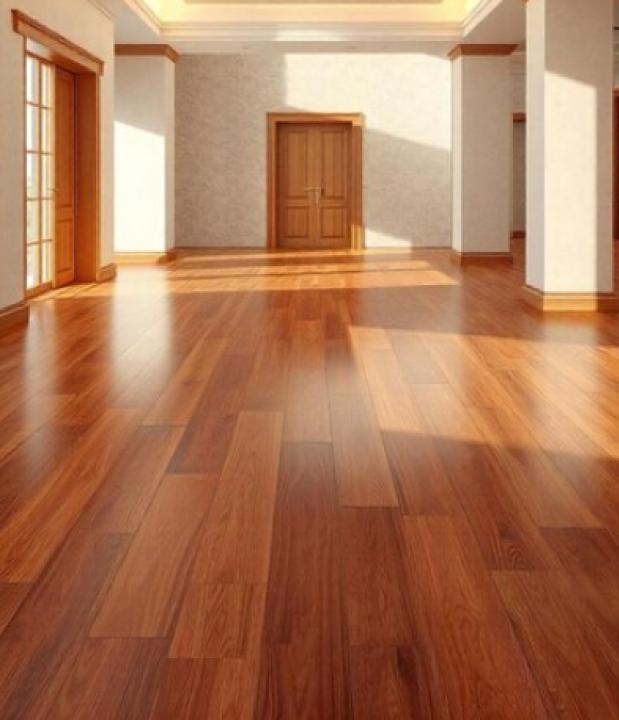
Wooden flooring has become a popular choice among Indian homeowners, architects, and interior designers, and for good reason. It brings timeless elegance, warmth, and a premium finish to any room. However, while most people focus on colour, texture, and type (such as engineered wood or laminate), one essential aspect is often overlooked: the size of the flooring planks.
Believe it or not, the dimensions of your wooden flooring can significantly impact the look, feel, and performance of your space. From visual aesthetics to ease of installation and durability, size plays a crucial role. In this article, we’ll break down the standard wooden flooring sizes available in India and help you understand which one is right for your space.
Why Does Size Matter in Wooden Flooring?
Before diving into measurements, let’s understand why plank size matters.
Visual impact: Larger planks can make a space feel more open and modern, while smaller planks often work better in compact rooms or for creating patterns like herringbone.
● Seam visibility: Fewer seams mean a more seamless and cohesive look. Wider and longer planks typically have fewer joints.
● Installation efficiency: Larger planks cover more area per piece, meaning quicker installation with fewer cuts and joins.
● Durability and stability: Thickness plays a role in impact resistance, stability, and even sound insulation.
So, choosing the right plank size isn’t just a design decision — it’s a practical one too.
Standard Wooden Flooring Sizes in India
Wooden flooring in India is available in a variety of dimensions depending on the material type — whether it's solid hardwood, engineered wood, or laminated flooring. Let’s explore typical sizes available across each category.
1. Laminated Wooden Flooring
Laminated wooden flooring is one of the most popular options in Indian homes because it's affordable, easy to install, and low maintenance. The standard sizes are:
● Plank width: 190 mm to 220 mm (approx. 7.5 to 8.7 inches)
● Plank length: 1200 mm to 1285 mm (approx. 4 to 4.2 feet)
● Plank thickness: 8 mm, 10 mm, or 12 mm
Tip: 8 mm is common for budget-friendly use, while 12 mm is preferred for durability in high-traffic areas like living rooms and commercial spaces.
2. Engineered Wooden Flooring
This flooring type features a real wood veneer on top and a stable core underneath (usually plywood or HDF). In India, engineered wood is gaining popularity due to its balance of luxury and performance.
● Plank width: 120 mm to 220 mm
● Plank length: 1200 mm to 2200 mm (some premium brands offer longer planks)
● Plank thickness: Usually between 12 mm and 15 mm
Note: Engineered wood planks are ideal for Indian weather conditions due to their dimensional stability, especially in areas with high humidity.
3. Solid Hardwood Flooring
Solid wood is luxurious and long-lasting, but less common in Indian homes today due to its cost and moisture sensitivity.
● Plank width: 90 mm to 150 mm
● Plank length: 600 mm to 1200 mm
● Plank thickness: Usually 18 mm to 22 mm
These sizes may vary depending on wood species like teak, oak, or walnut.
How to Choose the Right Size for Your Home
Not sure what size suits your home? Here are a few quick tips:
● For small rooms (bedrooms, studies): Go for narrow and short planks to create proportion and minimize cuts.
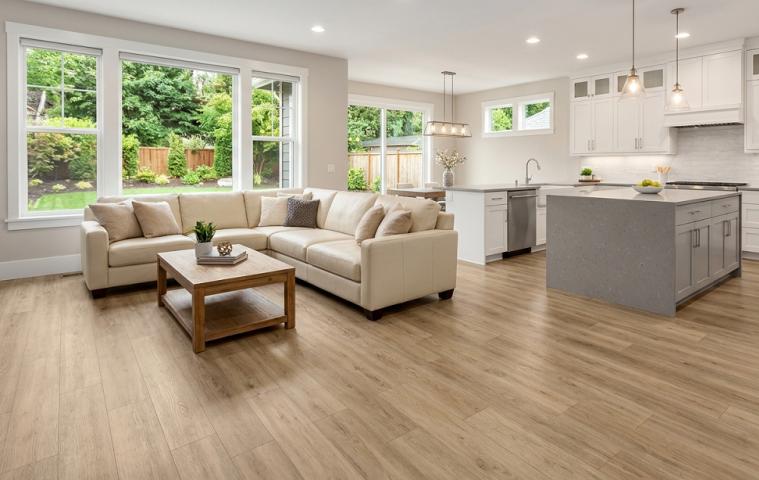
● For large rooms (living rooms, open-plan areas): Opt for wide and long planks to create a luxurious, expansive look with fewer seams.
● For patterned layouts (like herringbone or chevron): Choose shorter and narrower planks, typically around 600 mm in length and 100 mm in width.
● For Indian weather conditions: Choose thicker planks (10-12 mm or more) for better resistance to seasonal changes in humidity and temperature.
Custom Sizes vs. Standard Sizes
Some premium brands, like Lamiwood Designer Floors, offer custom sizing options for luxury projects. However, standard sizes are more cost-effective and readily available, especially if you're working within a tight budget or deadline.
Custom planks can be useful if you're working with unique floor dimensions or want to create a one-of-a-kind design, but they often require more time and expense.
Final Thoughts
Wooden flooring sizes in India are not “one size fits all.” Your choice should depend on the room size, usage, design >solid wood flooring, knowing the standard sizes available in the market can help you make an informed decision and avoid unnecessary confusion during installation.
So the next time
you shop for wooden flooring, don’t just focus on colour and finish — check the
size specs too. Because when it comes to creating that perfect floor,
dimensions matter more than you think.