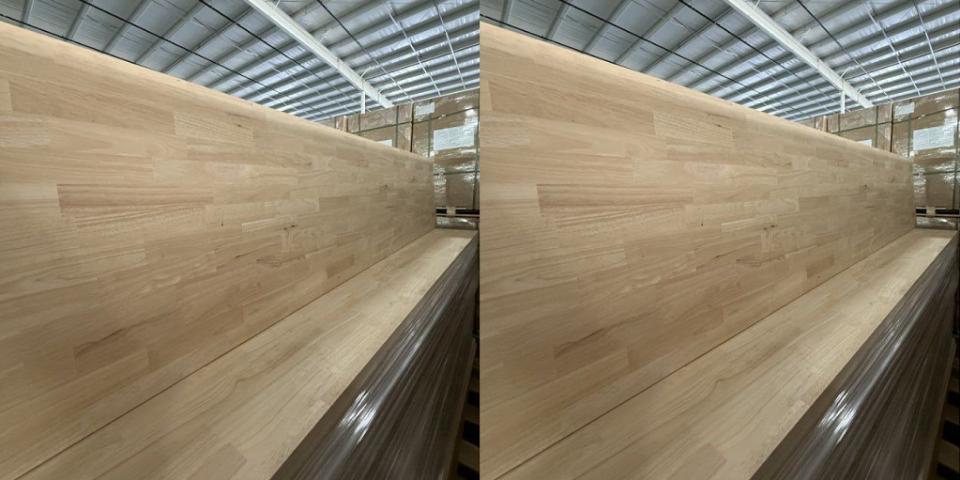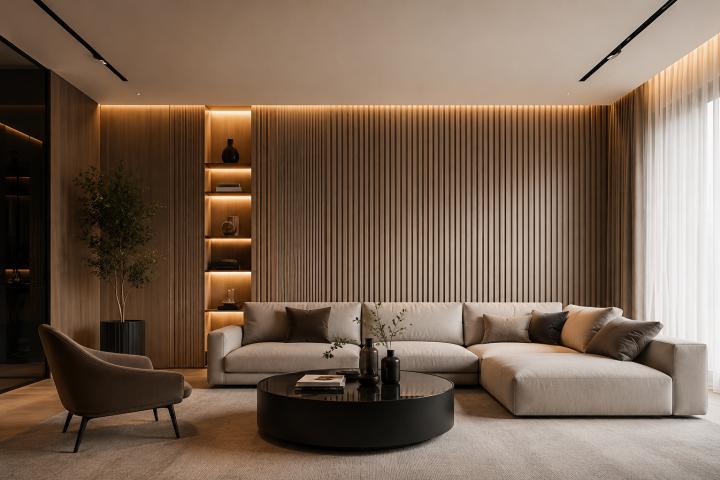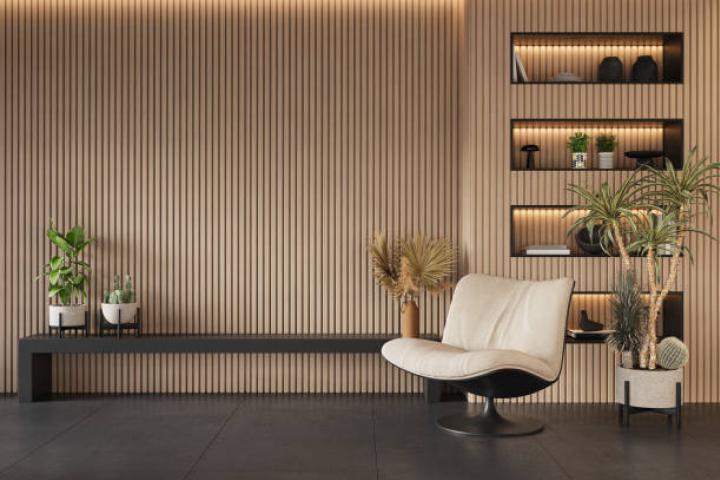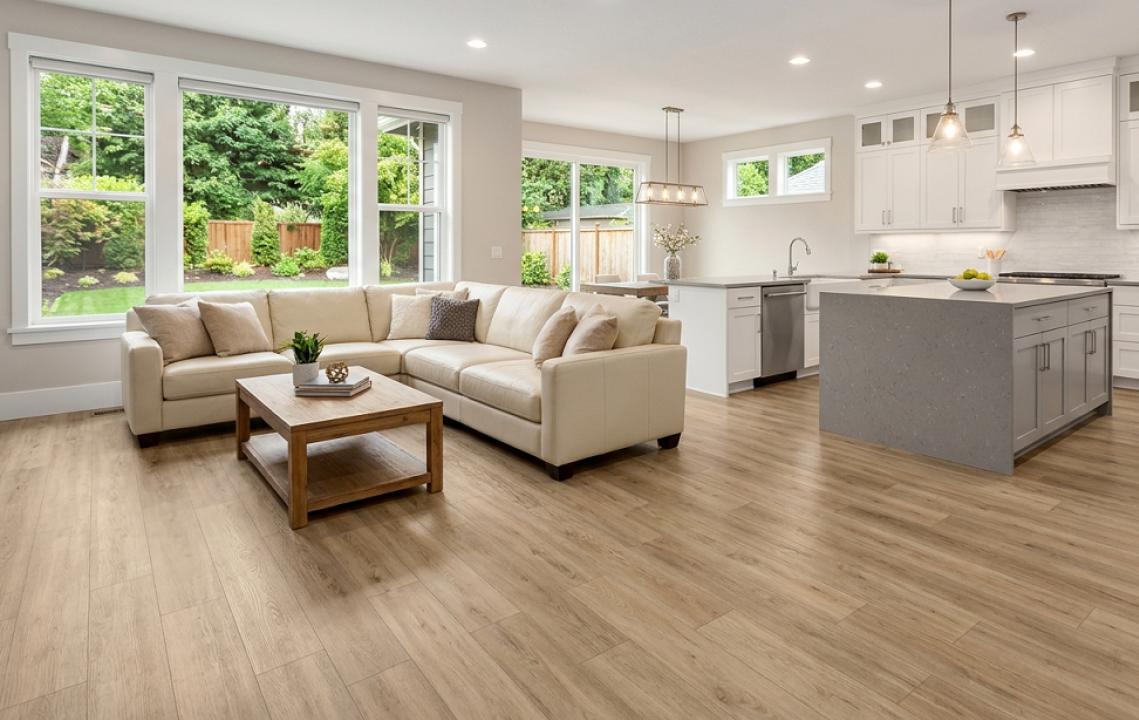
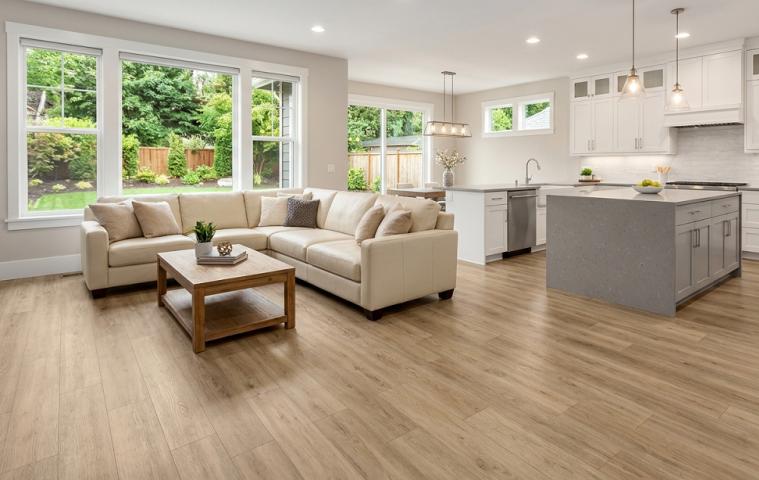
Vinyl wood flooring has become the dominant flooring choice for Singapore homeowners because it combines the warm aesthetic of real timber with practical durability suited to tropical climates. It resists moisture, handles heavy foot traffic, and installs faster than hardwood — all at a fraction of the cost. For HDB flats and condominiums alike, it solves real problems without compromising on >
If you have been planning a home renovation and wondering which flooring to choose, vinyl wood flooring keeps coming up — and for good reason. The shift toward vinyl is not a passing trend. It reflects how Singapore homeowners are prioritising practicality, longevity, and design flexibility in a single product.
What Is Driving the Shift Toward Vinyl Wood Flooring in Singapore?
Singapore's renovation landscape has changed significantly over the past five years. Homeowners are doing more research, comparing materials carefully, and choosing products that perform well in humid, high-footfall environments. Vinyl wood flooring fits that profile precisely.
According to industry reports, the vinyl flooring market in Southeast Asia has grown steadily, with Singapore among the leading adopters in the region due to its high rate of residential renovation activity. HDB upgrading cycles, BTO completions, and private condo resale renovations all contribute to consistent demand.
Key reasons behind this trend include:
Moisture resistance — Singapore's humidity regularly sits above 80%. Vinyl handles this without warping or swelling, unlike solid timber.
Low maintenance — A simple mop and occasional sweep keep it looking new. No sanding, sealing, or refinishing required.
Cost efficiency — Compared to hardwood or marble, vinyl delivers a premium look at a more accessible price point.
Design range — Modern vinyl planks convincingly replicate oak, walnut, teak, and other wood species.
How Does Vinyl Wood Flooring Perform in Singapore's Climate?
This is the question most homeowners ask first — and it is the right one to ask. Singapore's tropical climate is punishing on flooring materials. Heat, humidity, and the occasional splashed water from cooking or bathroom doors all test what a floor is made of.
Vinyl flooring — particularly luxury vinyl planks (LVP) — is constructed with a waterproof core layer that prevents moisture absorption. This makes it genuinely suitable for kitchens, bathrooms, and open-plan living areas that connect to outdoor balconies. Natural timber, by contrast, expands and contracts with humidity changes, which leads to gaps and warping over time.
Vinyl vs. Timber vs. Laminate: A Quick Comparison
Feature | Vinyl Wood Flooring | Solid Timber | Laminate
|
|---|---|---|---|
Moisture Resistance | Excellent | Poor | Moderate |
Durability | High | High (with maintenance) | Moderate |
Installation Time | Fast (click-lock) | Slow (glue/nail) | Moderate |
Maintenance Required | Minimal | High | Low to Moderate |
Cost (approx. per sqft) | SGD 3–7 | SGD 10–20+ | SGD 2–5 |
Suitable for Wet Areas | Yes | No | Limited |
What Types of Vinyl Wood Flooring Are Available?
Not all vinyl flooring is the same. The product category has evolved considerably, and understanding the options helps homeowners make a smarter choice for their renovation.
Luxury Vinyl Plank (LVP)
This is the most popular format for home renovation in Singapore. LVP comes in long plank formats that closely mimic the look and texture of real wood. The wear layer on quality LVP products is typically 0.3mm to 0.5mm thick, which determines how well the floor resists scratches from furniture and daily use.
SPC (Stone Plastic Composite) Flooring
SPC is a rigid-core vinyl product that offers even greater dimensional stability than standard LVP. It is denser underfoot, handles heavy furniture better, and is a strong choice for homes with pets or high foot traffic. Many Singapore homeowners renovating kitchens or open-plan areas prefer SPC for its added rigidity and sound dampening properties.
WPC (Wood Plastic Composite) Flooring
WPC flooring has a slightly softer feel underfoot due to its foam-based core. It offers good acoustic insulation, which matters in high-rise buildings where noise transfer between floors can be an issue. It is slightly less dense than SPC but very comfortable for bedroom areas.
Vinyl Flooring Installation in Singapore: What Homeowners Should Know
Proper vinyl flooring installation in Singapore involves more than simply clicking planks together. A few factors determine whether the result looks polished or problematic five years down the line.
Subfloor preparation matters most. In Singapore HDB flats especially, existing tile floors are often left in place. Vinyl can be installed over tiles if the surface is flat and clean. However, uneven subfloors cause planks to flex and create hollow spots, which shortens their lifespan. A professional installer will assess and level the subfloor before laying any planks.
Other important installation considerations:
Acclimatise planks for 24–48 hours in the room before installation to allow for temperature adjustment
Leave expansion gaps of 6–10mm around the perimeter — critical in Singapore's fluctuating temperatures
Use moisture barriers or underlays where required, especially on ground-floor units
Choose a directional layout (typically running parallel to natural light) to make rooms appear larger
Is Vinyl Wood Flooring the Right Choice for Your Singapore Home Renovation?
For most Singapore homeowners, yes — with a few nuances worth considering. Vinyl performs exceptionally well in living rooms, bedrooms, kitchens, and even bathrooms. It is particularly well-suited to HDB resale flats where renovation budgets need to stretch across multiple rooms.
If you are renovating a high-end private property and want the genuine texture and character of real hardwood, timber may still be worth the investment in dry areas. But for the majority of Singaporean homes, where practicality, humidity resistance, and long-term value matter most, vinyl delivers consistently.
A useful reference point: The Building and Construction Authority (BCA) of Singapore's Green Mark standards increasingly emphasise the use of low-VOC, durable, and sustainably manufactured materials. Many quality vinyl flooring brands now align their products with these standards, adding another layer of confidence for environmentally conscious homeowners.
Long-Term Value: Does Vinyl Hold Up Over Time?
Good quality vinyl wood flooring in Singapore, properly installed and maintained, lasts 15 to 25 years. That lifespan is competitive with laminate and, in humid climates like Singapore's, often outlasts timber in real-world conditions. The key variables are wear layer thickness, installation quality, and how well the floor is maintained day to day.
Scratches from furniture are the most common issue homeowners report. Using felt pads under furniture legs and placing rugs in high-traffic areas such as dining spaces extends the floor's life considerably. Cleaning with a pH-neutral floor cleaner — not steam mops, which can cause warping in some products — keeps the surface looking sharp.
Making the Final Decision for Your Renovation
Choosing the right flooring is one of the most impactful decisions in a home renovation. It affects how a space looks, how it feels underfoot, how easy it is to live with, and how well it holds its value. Vinyl wood flooring ticks most of those boxes for Singapore homes — it is not a compromise, it is a considered choice.
If you are ready to explore options for your next renovation, Xing Floors offers a range of vinyl wood flooring solutions tailored to Singapore homes, with expert guidance on product selection and installation.
Frequently Asked Questions
Is vinyl wood flooring suitable for Singapore's humid climate?
Yes. Vinyl wood flooring is waterproof and dimensionally stable, making it highly suitable for Singapore's humid tropical climate. Unlike timber, it does not warp, swell, or develop gaps due to moisture — which is why it is widely used in HDB flats, condominiums, and landed properties across the island.
How much does vinyl flooring installation cost in Singapore?
Vinyl flooring in Singapore typically costs between SGD 3 and SGD 7 per square foot for materials, with installation adding SGD 1 to SGD 3 per square foot depending on subfloor condition and layout complexity. Total costs vary based on room size, product grade, and whether existing flooring needs to be removed or retained.
Can vinyl wood flooring be installed over existing tiles in HDB flats?
Yes, vinyl planks can be installed directly over existing tiles if the surface is flat, clean, and structurally sound. This is a common approach in HDB renovations as it avoids hacking costs and reduces renovation time. However, any uneven areas should be levelled first to prevent long-term flex or hollow spots in the planks.
What is the difference between SPC and LVP vinyl flooring?
LVP (Luxury Vinyl Plank) has a flexible core and is lightweight, while SPC (Stone Plastic Composite) has a rigid, denser core that offers better dimensional stability and impact resistance. For Singapore homes with heavy foot traffic, pets, or large furniture, SPC is generally the more durable choice and is widely recommended by renovation professionals.
How long does vinyl wood flooring last in a Singapore home?
Quality vinyl wood flooring lasts between 15 and 25 years with proper installation and routine maintenance. Longevity depends on the thickness of the wear layer, how well the subfloor was prepared, and day-to-day care habits such as using furniture pads and avoiding steam mopping, which can affect certain vinyl products over time.
Is vinyl flooring safe and low-emission for indoor use in Singapore?
Reputable vinyl flooring products are manufactured to low-VOC (volatile organic compound) standards, making them safe for indoor use. When purchasing in Singapore, look for products that comply with established emission standards or carry relevant certifications. Proper ventilation during and after installation is also recommended to allow any minor off-gassing to dissipate quickly.