Acoustic design is entering a more technical phase. Modern buildings are expected to look refined, function efficiently, and provide comfortable interior environments, but controlling unwanted sound has become increasingly complex.
Open-plan offices, entertainment spaces, recording environments, residential developments and commercial buildings all face different forms of noise transmission. At the same time, architects are working with thinner partitions, lightweight constructions and increasingly compact spaces.
These changes are encouraging a shift from simply absorbing sound inside a room to thinking more carefully about how sound travels through a building.
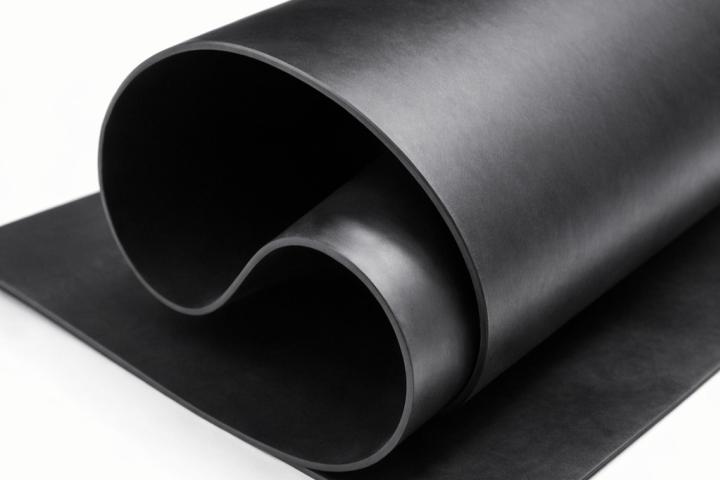
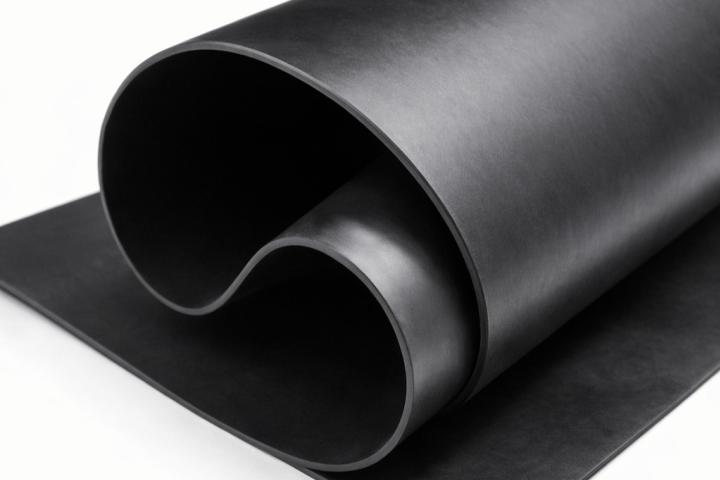
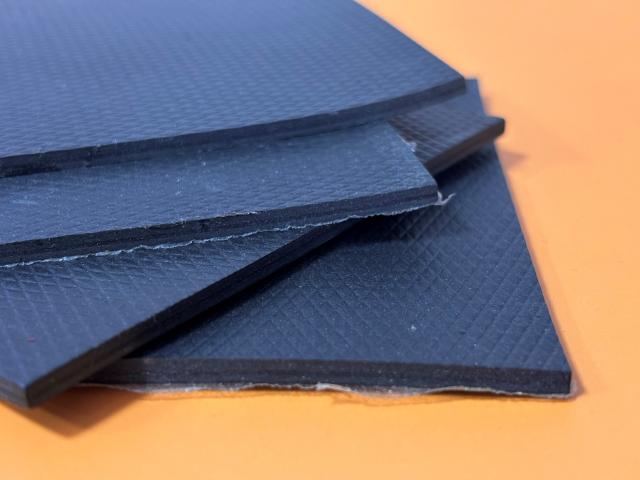
This is where mass loaded vinyl sheet has found an important role. Unlike conventional acoustic materials that primarily focus on absorption, mass loaded vinyl is commonly used as a dense barrier layer to help reduce airborne sound transmission. Its flexibility also allows it to be incorporated into different building assemblies.
So, what is changing about the way acoustic professionals approach sound control? These factors explain how MLV is contributing to the new language of acoustics.
1. Noise Control is Moving beyond Absorption
Sound absorption and sound blocking are not the same thing.
Absorptive materials are generally used to reduce reflections and reverberation within a room. Sound barriers, meanwhile, are intended to make it more difficult for airborne sound to pass from one space to another.
This distinction has become increasingly important in modern acoustic design.
Mass loaded vinyl soundproofing works primarily as a barrier approach. Its dense construction can add mass to a building assembly, helping reduce the transmission of airborne sound when appropriately incorporated into a wall, ceiling, floor or other construction.
The important lesson is simple: acoustic performance is not about using one material everywhere. Different problems require different strategies.
2. Mass Matters when Blocking Airborne Sound
One of the fundamental principles of sound isolation is the role of mass.
Generally, heavier building elements can provide greater resistance to airborne sound transmission than lightweight elements, although actual performance depends on the complete construction.
MLV mass loaded vinyl is designed around this principle while offering something that conventional heavy building materials cannot easily provide: flexibility.
Instead of requiring a thick rigid barrier, a relatively thin MLV layer can be incorporated into an assembly where additional mass is required.
This makes it an interesting material for projects where designers need acoustic improvement without dramatically increasing the thickness of the construction.
3. Flexibility Expands where Acoustic Barriers can be Used
Traditional dense materials can be difficult to install around irregular surfaces, joints and building components.
MLV approaches the problem differently.
A mass loaded vinyl sheet is flexible and can be cut or positioned to suit specific construction requirements. This characteristic allows it to be considered around wall systems, ceilings, floors, equipment enclosures and other areas where a rigid barrier may be impractical.
The flexibility does not eliminate the need for careful installation. Gaps, penetrations and weak points within an assembly can compromise overall sound isolation.
The material works best when it forms part of a properly designed acoustic construction.
4. Lightweight Construction is Creating New Acoustic Challenges
Modern architecture increasingly uses lightweight construction because it can offer advantages in terms of structural efficiency, installation and space utilisation.
But reducing construction mass can also create acoustic challenges.
Thin partitions and lightweight assemblies may allow more airborne sound transmission than designers would prefer.
This is where mass loaded vinyl soundproofing can become useful as part of a broader wall or ceiling assembly. Adding a dense flexible layer can increase the acoustic mass of the construction without relying exclusively on thicker rigid materials.
For architects, this creates another option when balancing space efficiency with acoustic requirements.
5. MLV is Changing the Idea of a Sound Barrier
A sound barrier does not necessarily need to be a thick, rigid wall.
This is one of the more interesting developments in modern acoustic thinking.
MLV mass loaded vinyl demonstrates how a relatively thin and flexible material can be incorporated into a layered construction to contribute to sound isolation.
The principle is particularly relevant to retrofit projects. Existing walls, floors, or ceilings may not have enough space for major structural modifications, making flexible barrier materials worth considering as part of an acoustic upgrade.
However, the final performance depends on the complete assembly rather than the MLV layer alone.
6. Acoustic Design is becoming more Assembly-focused
A common mistake in acoustic planning is evaluating a material in isolation.
Real-world sound transmission is influenced by the entire construction. Studs, boards, cavities, insulation, doors, glazing, junctions, and penetrations can all affect the final result.
This is why mass loaded vinyl sheet should be viewed as one component within a larger acoustic assembly.
For example, placing a dense barrier layer within a properly designed partition can work differently from simply attaching the same material to an existing surface.
The shift towards assembly-based thinking is making acoustic design more precise and application-specific.
Read to know more about mass loaded vinyl here: Mass Loaded Vinyl that doesn’t Absorb Sound… but BLOCK it, Know how?
7. Retrofit Projects Need Flexible Acoustic Solutions
Not every building can undergo major reconstruction.
Existing offices, studios, apartments, hotels, and commercial properties may need acoustic improvements while retaining their existing layouts.
This creates a demand for materials that can be integrated into existing or upgraded constructions without requiring excessive structural changes.
MLV soundproofing can be considered for such applications because of its flexibility and relatively thin profile.
Its use still requires careful assessment of the existing construction. Simply adding a barrier material to a weak assembly may not deliver the expected result if sound continues to travel through doors, ceilings, floors, or structural connections.
8. MLV can Complement Absorptive Materials
Modern acoustic design is rarely about choosing between absorption and sound isolation.
The two approaches can work together.
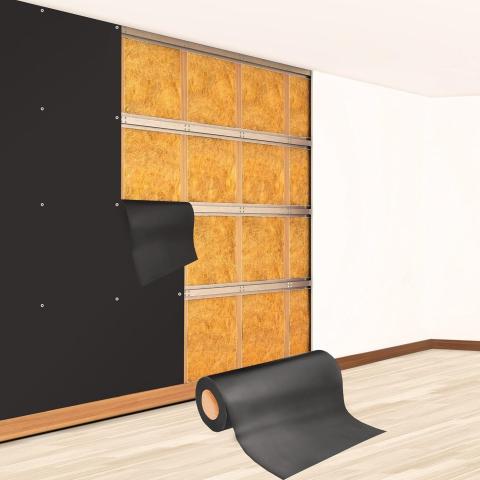
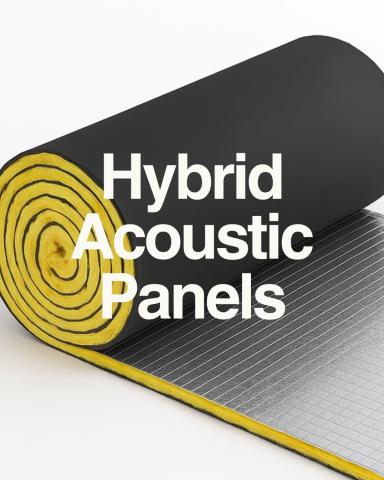
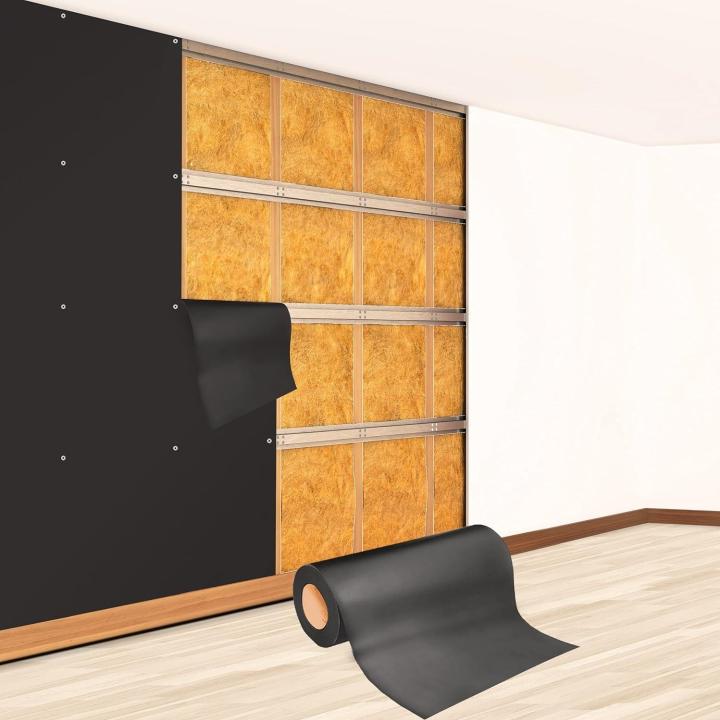
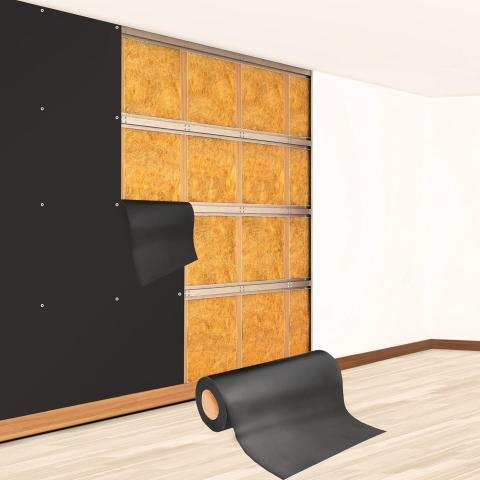
An acoustic assembly may use absorptive insulation within a cavity while incorporating a mass loaded vinyl sheet as a barrier layer. The different materials address different aspects of sound behaviour.
The absorptive component can help reduce sound energy within a cavity, while the dense barrier layer can contribute to resistance against airborne transmission.
This layered approach illustrates how acoustic design is becoming increasingly sophisticated.
Build Smarter Sound Barriers with Tranquil Global
Effective acoustic design starts with understanding how sound moves through a building. Tranquil Global provides acoustic solutions for architects, designers, and project teams looking to address sound transmission through carefully considered material choices.
With solutions such as mass loaded vinyl integrated into appropriate assemblies, projects can pursue stronger acoustic performance without relying solely on thicker or heavier construction. The result is a more strategic approach to sound control, where every layer has a purpose.
FAQs
What is a mass loaded vinyl sheet used for?
A mass loaded vinyl sheet is primarily used as a dense, flexible barrier layer within acoustic assemblies. It can contribute to reducing airborne sound transmission when properly incorporated into walls, ceilings, floors, and other constructions.
How does mass loaded vinyl soundproofing work?
Mass loaded vinyl soundproofing relies largely on the material's density and mass to provide resistance to airborne sound transmission. Its effectiveness depends on how it is incorporated into the complete building assembly.
Is MLV mass loaded vinyl suitable for walls?
Yes. MLV mass loaded vinyl can be incorporated into certain wall assemblies to add a dense barrier layer. The wall construction, installation method, and required acoustic performance should be evaluated before specification.