Sound can become a serious project issue when it is not planned early. Think about an office next to a busy road. Or a hotel room beside a lift. Even a meeting room can have problems when sound travels through walls, floors or service areas. These issues can affect comfort. They can also affect how well a space works. This is where material selection becomes important.
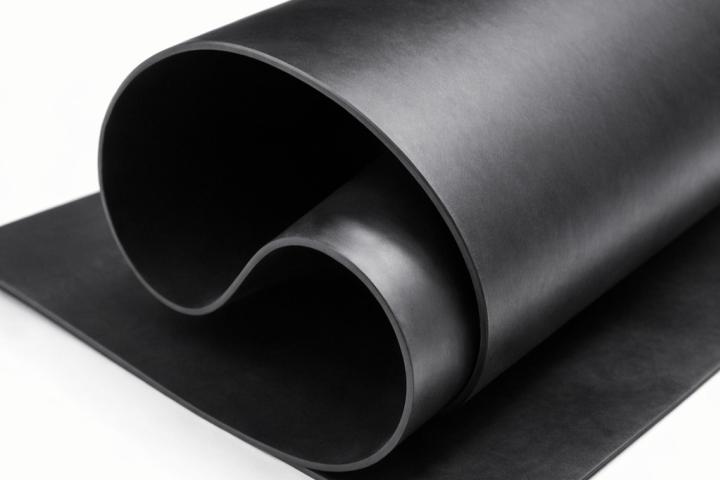
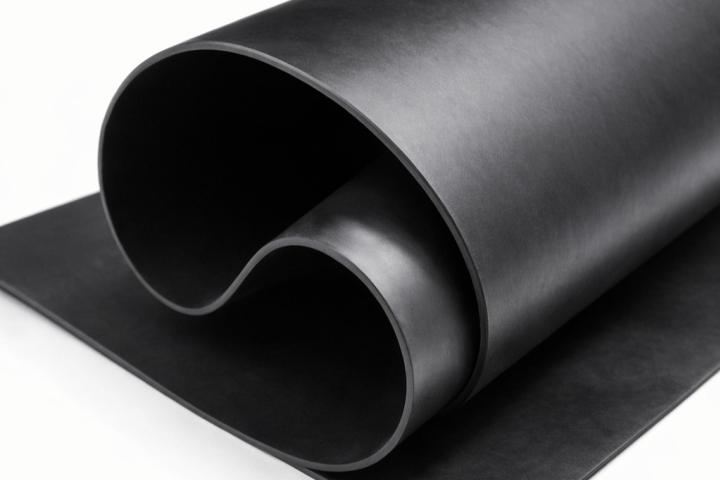
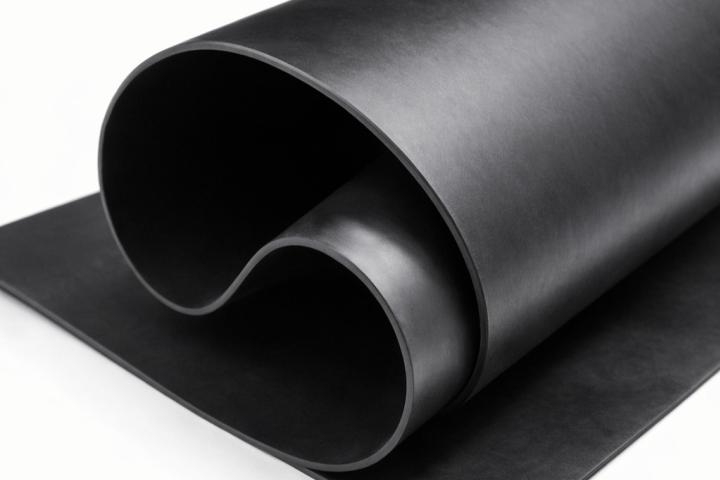
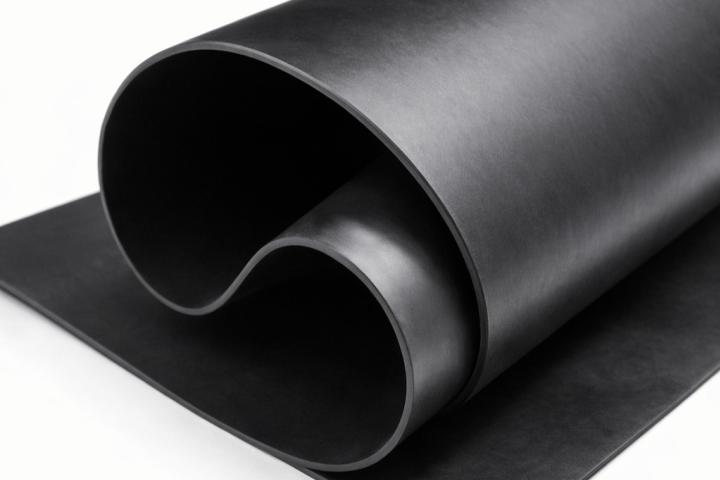
Mass loaded vinyl soundproofing is one option that project teams may consider when they need to control sound transmission. It is a dense, flexible material that can be used as part of a wider sound insulation system. However, choosing it is not simply about buying a roll and installing it. There are several things to understand first.
Think about Available Space
Space is often a major concern during renovation. There may already be walls, ceilings and services in place. Adding thick layers can reduce usable floor area. This is where flexible barrier products can be helpful. Mass loaded vinyl can be relatively thin compared with some other sound insulation materials. That makes it worth considering when space is tight.
However, the project team should look at the complete build-up. Even a thin material needs correct installation. The added layers, framing and finishes still take up space.
Installation can Affect Performance
This is one of the most important points. A high-performing material can still give poor results if it is installed incorrectly.
- Gaps can create weak points.
- Openings around cables can allow sound to pass through.
- Poorly sealed joints can reduce the effectiveness of the barrier.
This is why installation should be treated as part of the acoustic design. The material needs to be continuous where required. Joints should be handled correctly. Penetrations should also be sealed using suitable methods. Small gaps can have a surprisingly large effect on sound transmission.
Pay Attention to Flanking Paths
Sound does not always travel directly through a wall. It can take another route. This is known as flanking transmission. For example, sound may travel through a ceiling, floor or adjoining wall instead of passing directly through the treated section. This can make a soundproofing project more difficult. A project team may treat one wall and still hear noise.
The reason could be another transmission path. That is why the surrounding construction should also be considered. Good acoustic planning looks at the room as a system.
What about Wall Assemblies?
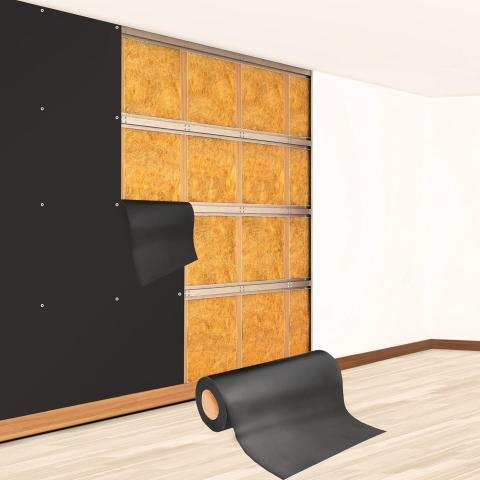
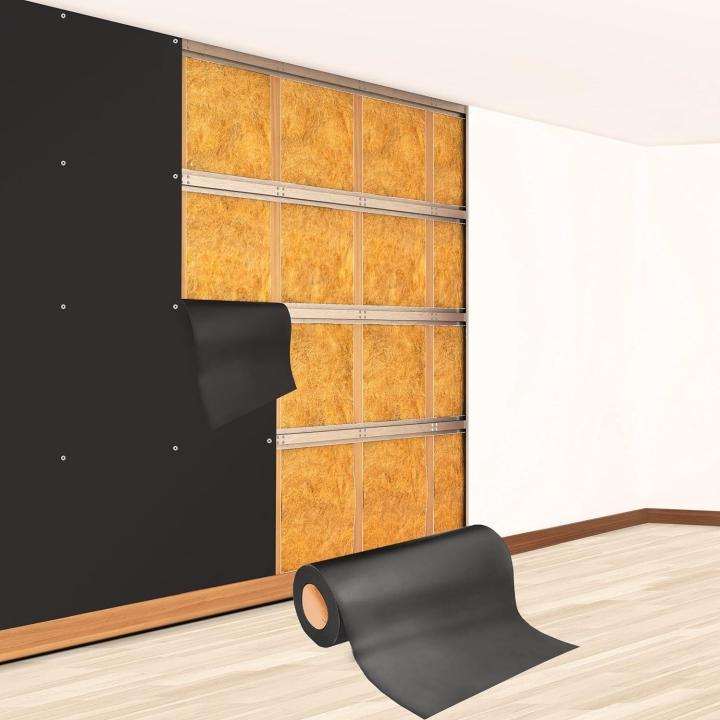
Mass loaded vinyl can be used within certain wall constructions.
It may be installed between layers of drywall or within other partition systems. The aim is to add mass and improve sound isolation. However, the wall build-up matters. Stud spacing, cavity insulation, board layers and connections can all affect performance. A dense barrier works best when it is part of a properly designed assembly. Simply placing it behind a wall does not guarantee a specific level of sound reduction.
Project teams should review tested system data wherever possible.
Can it Help with Low-frequency Noise?
Low-frequency noise can be difficult to control. Traffic, machinery and mechanical equipment can produce deeper sounds that travel through building structures. These sounds may be felt as much as heard. Mass and isolation can play an important role in managing such noise. Mass loaded vinyl may be included in assemblies designed to address these issues.
However, low-frequency control often requires more than one material. The source, structure and transmission path all need to be considered. A project-specific acoustic assessment can help determine the right approach.
What about HVAC and Mechanical Systems?
Mechanical systems can become an unexpected source of noise.
Fans, ducts, pumps and other equipment can transmit sound through a building. Treating walls alone may not solve the problem. Project teams should look at plant rooms, duct routes and equipment connections. A barrier material may be useful in certain applications.
However, vibration isolation may also be needed. This is an important distinction. Airborne noise and structure-borne vibration are not exactly the same problem. The solution should match the type of noise involved.
Check the Fire and Safety Requirements
Sound performance is only one part of material selection. Safety matters too. Before choosing a product, check its fire performance and relevant certifications. This is particularly important in commercial buildings, hotels, schools and public spaces. The material should also be suitable for the location where it will be installed.
Project teams should request technical documents from the manufacturer. Do not rely only on general product descriptions.
Consider the Acoustic Sheet Material around it
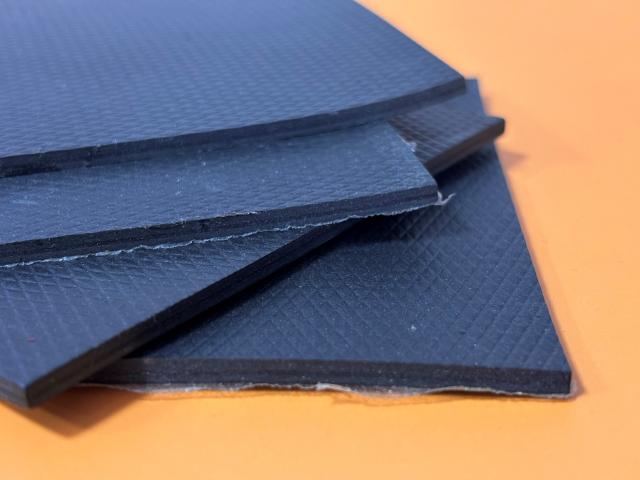
Mass loaded vinyl is often part of a larger acoustic build-up. Other materials may be needed to complete the system. This could include insulation, gypsum boards, resilient channels or other layers. The role of each layer is different.
This is where the choice of acoustic sheet material becomes important.
A flexible sheet may provide a barrier. Another layer may absorb sound inside a cavity. A resilient connection may help reduce vibration transfer. Together, these components can create a better-performing assembly. The goal is not to choose one product in isolation.
Read to know more about MLV here: Mass Loaded Vinyl: The Easiest Way to Soundproof Rooms without Wall Damage
Plan for Services and Openings
Modern buildings have plenty of services.
Electrical cables. Pipes. Ducts. Data lines. These often pass through walls and ceilings. Every opening can become a potential sound path. This is why service penetrations need to be considered during acoustic planning. The barrier should be installed around these areas carefully. Sealing details also matter.
It is better to plan them before construction starts than to discover sound leaks after the wall is finished.
Do not Choose Based on Thickness Alone
A common assumption is that thicker always means better.
That is not necessarily true. Acoustic performance depends on the full construction. A thin but dense barrier can perform differently from a thick, lightweight material. The way the material is installed also matters. Look at tested performance rather than relying on thickness alone.
This gives the project team a much clearer basis for comparison.
Check the Product Data before Ordering
Before placing an order, review the technical information.
- Look at density.
- Check available thicknesses.
- Review acoustic test results.
- Ask about fire performance.
- Confirm the intended application.
- Also check installation instructions.
These details can prevent costly mistakes later. Samples can also help. They allow the team to understand how the material handles and how it fits into the planned assembly.
Build a Better Sound Control Strategy
Every project has different acoustic needs. Tranquil Global offers acoustic solutions that can help project teams plan sound control around the structure, space and intended use of a building. From mass loaded vinyl to other acoustic sheet material options, choosing the right system can make a difference to long-term performance. Explore solutions that fit your project's acoustic requirements.
FAQs
1. What is mass loaded vinyl used for?
Mass loaded vinyl is a dense, flexible sound barrier used in wall, floor, ceiling and equipment applications. It is mainly used to help reduce airborne sound transmission as part of a larger acoustic assembly.
2. Is mass loaded vinyl the same as soundproofing insulation?
No. Mass loaded vinyl mainly acts as a dense barrier. Other materials, such as cavity insulation and resilient systems, may be used alongside it to address different parts of a sound control assembly.
3. What should project teams check before using mass loaded vinyl?
They should consider the noise source, transmission path, wall or ceiling construction, available space, installation method, fire requirements and technical test data. Service openings and flanking paths should also be planned carefully.