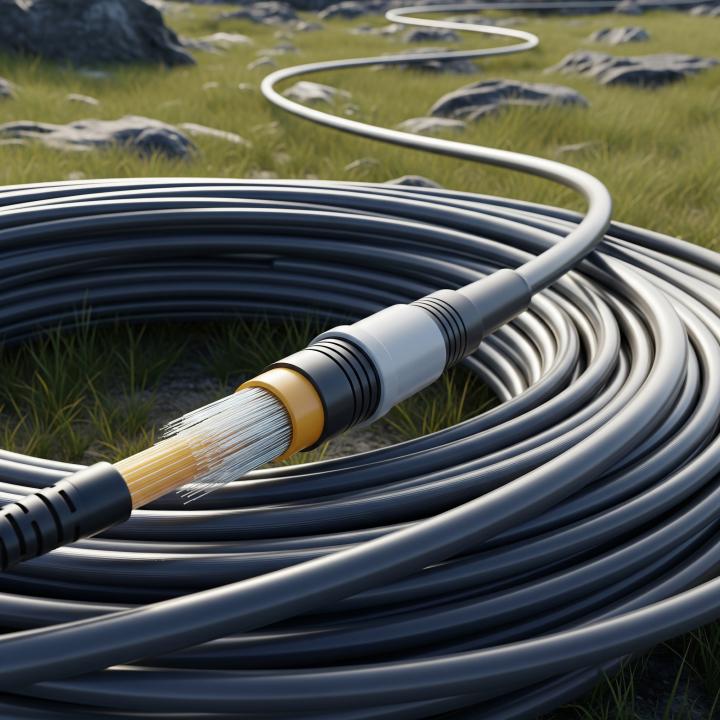
Optical cables, also called fiber optics, are changing the way we connect our homes, schools, and businesses. They are used for fast internet, clear phone calls, and smooth video streaming. But, like everything, optical cables have both good and bad sides. Let’s explore these in a way that’s easy to understand, even if you’re just starting to learn about networking.
What Is an Optical Cable?
An optical cable is a special wire made from very thin glass or plastic fibers. These fibers use light to send information. This is different from regular LAN cables, which use electricity and copper wires. Fiber optics can send data much faster and farther than old-fashioned cables.
The Exact Answer: What Are the Advantages and Disadvantages of Optical?
The main advantages of optical cables are super-fast speeds, long-distance data transmission, high security, and no electrical interference. The main disadvantages are higher upfront costs, fragility, and the need for special installation skills.
Advantages of Optical Cables
1. Super-Fast Speed
Fiber optics can send lots of information at the speed of light. This means you can download movies, play games, and have video calls without waiting or buffering. It’s much faster than regular LAN cables.
2. Long Distance Transmission
Optical cables can send data for miles without losing quality. Regular LAN cables can only go about 100 meters before the signal gets weak. With fiber optics, you can connect buildings, schools, or even cities.
3. Immune to Electrical Interference
Fiber optics don’t use electricity, so they are not bothered by things like lightning, power lines, or other electronic devices. This keeps your connection strong, even in busy or stormy places.
4. High Security
It’s very hard for someone to tap into a fiber optic cable and steal information. This makes them perfect for banks, hospitals, and anyone who wants to keep their data safe.
5. Lightweight and Flexible
Optical cables are thinner and lighter than copper LAN cables. They take up less space and are easier to run through walls or ceilings.
6. Low Power Loss
Fiber optics lose very little signal as data travels. This means you get a strong, clear connection, even over long distances.
7. Large Bandwidth
Fiber optics can handle more data at once. This is great for families or offices where many people use the internet at the same time.
8. Durability and Long Life
Fiber optic cables last a long time and don’t rust or wear out like copper cables. They can handle changes in weather and temperature.
9. Future-Proof
As technology gets better, fiber optics are ready for faster speeds and bigger data needs. You won’t have to upgrade your cables as often.
Disadvantages of Optical Cables
1. Higher Upfront Cost
Buying and installing fiber optics costs more than regular LAN cables. The cables, special tools, and skilled workers all add to the price. This can be hard for small businesses or homes with a tight budget.
2. Fragility
The glass or plastic fibers inside optical cables are delicate. If you bend, twist, or step on them too much, they can break. Copper LAN cables are tougher and can handle more rough treatment.
3. Difficult to Install and Repair
Installing fiber optics takes special skills and tools. If a cable breaks, fixing it is harder than fixing a LAN cable. You might need a trained technician to help.
4. Harder to Splice
Joining two fiber optic cables together is tricky. It’s easy to lose some of the light signal, which can make your connection weaker.
5. Not Good for Tight Bends
If you need to curve a cable around a sharp corner, fiber optics might break or lose signal. LAN cables can handle tighter bends without problems.
6. Needs Special Equipment
To test, install, or repair fiber optics, you need special machines. These cost more money than the simple tools used for LAN cables.
7. Sensitive to Damage
During construction or home repairs, fiber optics can get cut or damaged more easily than copper cables. You need to be careful when working around them.
Comparing Fiber Optics and LAN Cables
| Feature | Fiber Optics | LAN Cables (Copper) |
|---|---|---|
| Speed | Super fast | Fast |
| Distance | Miles | About 100 meters |
| Interference | None | Can have problems |
| Security | Very secure | Less secure |
| Weight | Light | Heavier |
| Cost | Higher at first | Lower |
| Durability | Fragile | Tough |
| Installation | Needs experts | Easier |
| Lifespan | Long | Shorter |
Real-Life Examples
A big hospital uses fiber optics to send medical images quickly and safely between departments. A school with many classrooms can give every student fast internet, even during busy times. A family can stream movies, play games, and video chat all at once without slowdowns.
When Should You Choose Fiber Optics?
Choose fiber optics if you need the fastest speeds, want to connect over long distances, or need high security. They are great for busy offices, schools, hospitals, and anyone who wants the best internet experience.
When Are LAN Cables Good Enough?
LAN cables are still great for short distances, like connecting a computer to a router in the same room. They are cheaper and easier to install, and they work well for many home networks.
Tips for Using Optical Cables
Don’t bend or twist the cables too much.
Hire a skilled technician for installation.
Keep cables safe from sharp tools or heavy objects.
Plan your network so you don’t need tight corners.
Conclusion
Optical cables, or fiber optics, have many advantages: they are super fast, go long distances, and keep your data safe. But they also cost more, are fragile, and need special skills to install. LAN cables are easier and cheaper for small jobs, but fiber optics are the best choice for the future. Think about your needs, your budget, and your space before choosing which cable is right for you. With the right choice, you’ll enjoy fast, reliable connections every day!
Sources: https://www.newspostonline.com/tech/5-leading-benefits-of-choosing-optical-cables-for-your-setup/
https://sharefolks.com/view/what-are-two-factors-to-consider-when-selecting-a-fiber-optic-cable
https://newyorktimesnow.com/blog/what-are-two-reasons-why-fibre-optic-cable-is-the-preferred-choice