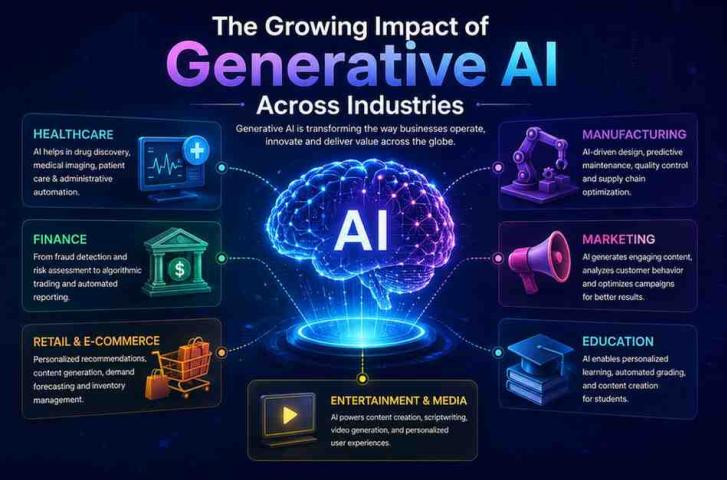
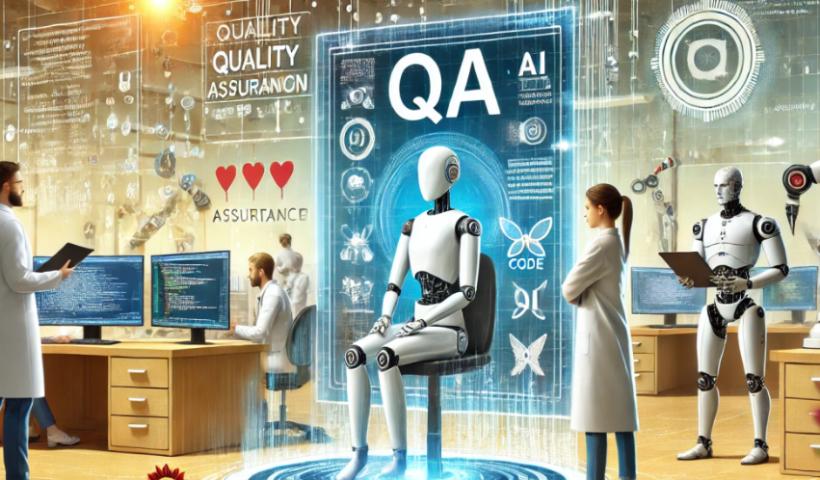
Generative AI is transforming industries—from marketing and healthcare to software development and customer service. With tools like ChatGPT, DALL·E, and Google Gemini dominating headlines, it often seems like there's nothing generative AI can't do.
But despite its rapid advancements, there are still clear limitations—things AI cannot (and perhaps should not) do. In this blog, we explore one critical area where generative AI still falls short, and why AI consultants are essential for navigating the gap between AI capabilities and real-world expectations.
🚫 What Generative AI Cannot Do: Understand Human Emotion and Context Like a Human
Generative AI is exceptional at analyzing data, generating text, composing music, and even writing code. However, what it cannot do is truly understand or empathize with human emotions, context, and intent in the way humans do.
Here’s why:
-
No True Emotional Intelligence:
AI can recognize sentiment based on patterns and datasets, but it doesn't “feel” emotions. It cannot truly experience joy, sorrow, frustration, or inspiration. -
Contextual Misinterpretation:
Generative models may misunderstand nuanced context—sarcasm, cultural references, or emotional subtext—which can lead to inappropriate or tone-deaf responses. -
Lack of Moral Judgment:
AI does not possess a conscience or ethical reasoning. It follows patterns, not values. This makes it risky to rely on AI in sensitive decision-making scenarios without human oversight.
🤖 Why This Limitation Matters
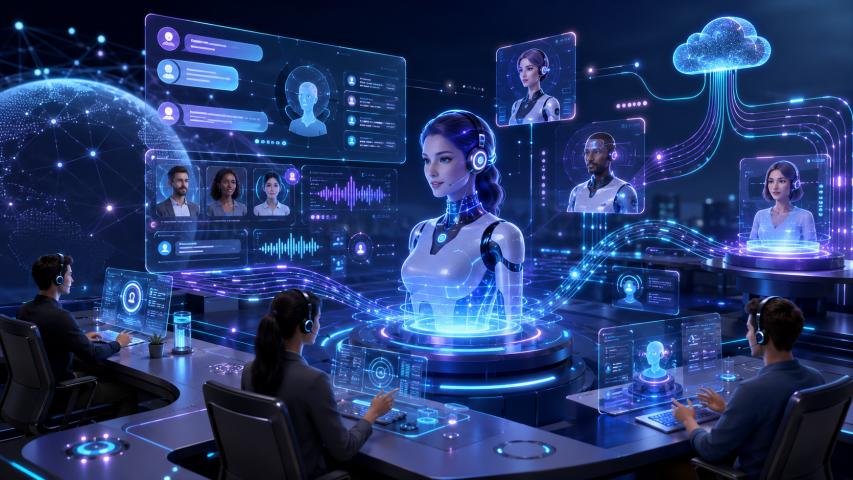
Businesses deploying AI chatbots, customer support tools, or content generators must recognize that AI is a tool, not a replacement for human connection. Relying too heavily on generative AI without considering its emotional limitations can damage customer trust, weaken branding, or even lead to compliance issues.
💼 How AI Consultants Bridge the Gap
This is where experienced AI consultants come in. They understand that success with generative AI doesn’t just come from the technology—it comes from knowing how, when, and where to use it.
Here’s how AI consultants help:
✅ Strategic Implementation
AI consultants evaluate where AI can deliver results and where human touch is irreplaceable—especially in emotionally sensitive roles like healthcare, counseling, or brand communication.
✅ Human-in-the-Loop Design
Consultants advocate for hybrid models where humans oversee, guide, or refine AI outputs—ensuring contextual and emotional accuracy.
✅ Ethical and Responsible Use
AI consultants help organizations set boundaries, develop ethical frameworks, and prevent misuse of AI in emotionally complex or high-stakes environments.
🧠 Other Things Generative AI Still Can’t Do (in 2025)
-
Original thinking or creativity not based on prior data
-
Moral decision-making in ambiguous situations
-
Physical tasks in the real world without robotic integration
-
Cultural sensitivity in global communications without oversight
-
Learning beyond its training window (no true real-time common sense)
Final Thoughts
Generative AI is powerful, but it's not omnipotent. While it excels in data-driven automation and content generation, it lacks the human depth of emotion, ethics, and intuition. Businesses must deploy it wisely—balancing efficiency with empathy.
Partnering with expert AI consultants ensures you harness the strengths of generative AI without overlooking its blind spots.
Looking to implement AI responsibly?
Connect with trusted AI consultants who can guide your strategy with both innovation and integrity.