Have you ever plugged in your computer or monitor and wondered how much electricity flows through that thick black cable? In the United States, IEC320 cables and PC power cords are everywhere, but not everyone knows what voltage they actually carry. Let’s make it easy to understand!
What is an IEC320 Cable?
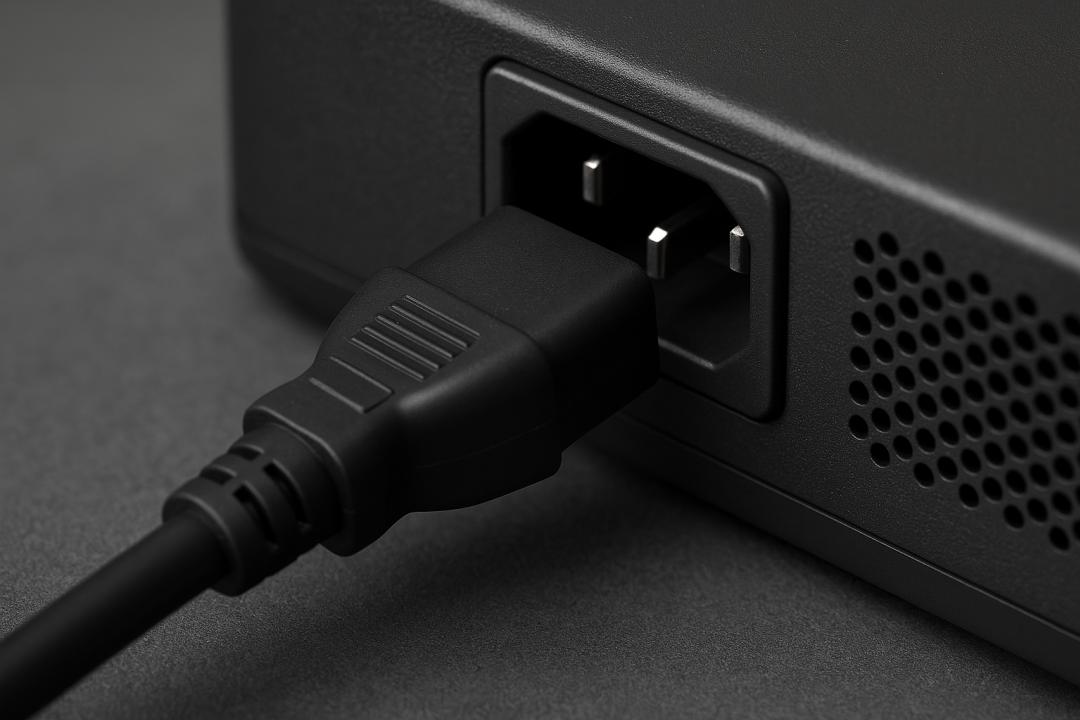
An IEC320 cable is a special kind of power cord that connects your devices—like computers, monitors, and servers—to a wall outlet or power strip. The “IEC” part stands for International Electrotechnical Commission, which sets safety rules for these cables. The “320” is just a number that helps identify the type of connector.
Why Are IEC320 Cables So Common?
IEC320 cables are popular because they are safe, strong, and fit many devices. You can find them in homes, schools, offices, and data centers. They make it easy to swap out cables if one gets damaged, and you don’t need to worry about matching a special cord to each device.
How Does Voltage Work in Power Cords?
Voltage is like the pressure that pushes electricity through a wire. In the US, the standard voltage from a wall outlet is about 120 volts. This is lower than in many other countries, where the voltage is often 220 or 240 volts. The voltage rating on a power cord tells you the highest voltage it can safely carry.
The Exact Answer: What Voltage in the US Does an IEC Power Cable Carry?
In the United States, an IEC320 cable or PC power cord typically carries 120 volts AC (alternating current) from the wall outlet to your device. Even though most IEC320 cables are rated for up to 250 volts, they are used at 120 volts in the US because that’s the standard household voltage.
Why Are IEC320 Cables Rated for 250 Volts?
You might notice that your IEC320 cable or PC power cord says “250V” on it. This means the cable is built strong enough to handle up to 250 volts safely. The higher rating lets the same cable be used in countries with higher voltages, like in Europe or Asia. In the US, using a cable rated for 250 volts at just 120 volts adds an extra layer of safety.
Common Types of IEC320 Cables in the US
Here are some of the most popular IEC320 cables and their uses:
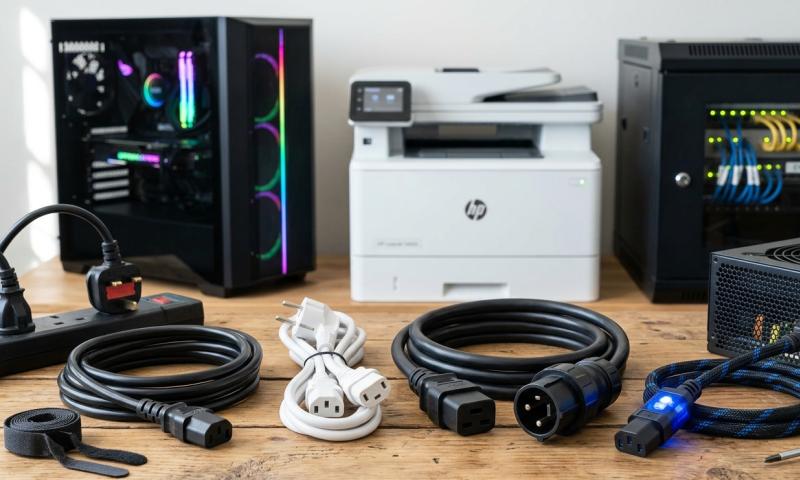
C13/C14: These are the most common. Used for computers, monitors, and printers. Rated for up to 250 volts, but usually carry 120 volts in the US.
C19/C20: Used for servers and big network equipment. Also rated for 250 volts, but used at 120 volts in the US.
C5/C6: Known as the “cloverleaf” connector, often used for laptop chargers. Rated for 250 volts, but used at 120 volts in the US.
How Does a PC Power Cord Work in the US?
A PC power cord has two main parts: one end plugs into the wall (usually a NEMA 5-15 plug), and the other end plugs into your device (with an IEC320 connector like C13). The cord safely carries 120 volts of AC power from the outlet to your computer, monitor, or other electronics.
Table: IEC320 Cable Types and Their Voltage Ratings
| IEC320 Cable Type | Common Use | Voltage Rating | Typical US Voltage Carried |
|---|---|---|---|
| C13/C14 | Computers, monitors, TVs | 250V | 120V |
| C19/C20 | Servers, network equipment | 250V | 120V |
| C5/C6 | Laptops, some projectors | 250V | 120V |
Why Does the US Use 120 Volts?
The US uses 120 volts as the standard for safety and historical reasons. This lower voltage is less likely to cause electric shocks or fires compared to higher voltages. That’s why all household outlets and most office outlets in the US provide 120 volts.
Can You Use a 250V IEC320 Cable in the US?
Yes, you can! In fact, most IEC320 cables sold in the US are rated for 250 volts, even though they only carry 120 volts. This makes them extra safe and allows you to use the same cable if you travel or move to a country with a higher voltage.
What Happens If You Use the Wrong Voltage?
If you plug a device made for 120 volts into a 250-volt outlet, it could break or even catch fire. But if you use a 250-volt rated IEC320 cable in the US, you’re safe because the cable is built to handle much more than the 120 volts it will actually carry.
How to Check Your PC Power Cord’s Voltage Rating
Look at the small writing on your PC power cord or IEC320 cable. You’ll usually see something like “250V” or “125V.” In the US, you’ll be using the cord at 120 volts, well below its maximum rating.
Safety Tips for Using IEC320 Cables
Always use a cable with a voltage rating equal to or higher than your device and outlet.
Don’t use damaged or frayed cables.
Keep cables away from water and heat.
If you’re not sure, ask an adult or an expert for help.
Fun Facts About IEC320 Cables
The same IEC320 cable can be used in many countries, as long as you have the right plug for the wall outlet.
Some high-powered computers and servers use special IEC320 cables that can handle more current, but the voltage in the US is still 120 volts.
Why Knowing the Voltage Matters
Knowing the voltage your IEC320 cable carries helps you keep your devices safe and working well. It also helps you avoid accidents and makes sure you’re using the right cable for your needs.
Summary
In the United States, an IEC320 cable or PC power cord usually carries 120 volts from the wall outlet to your device. Even though these cables are rated for up to 250 volts, they only carry the standard US household voltage. This makes them safe, reliable, and perfect for all your electronics at home, school, or work. Always check your cable’s rating and use it the right way to keep everything running smoothly!