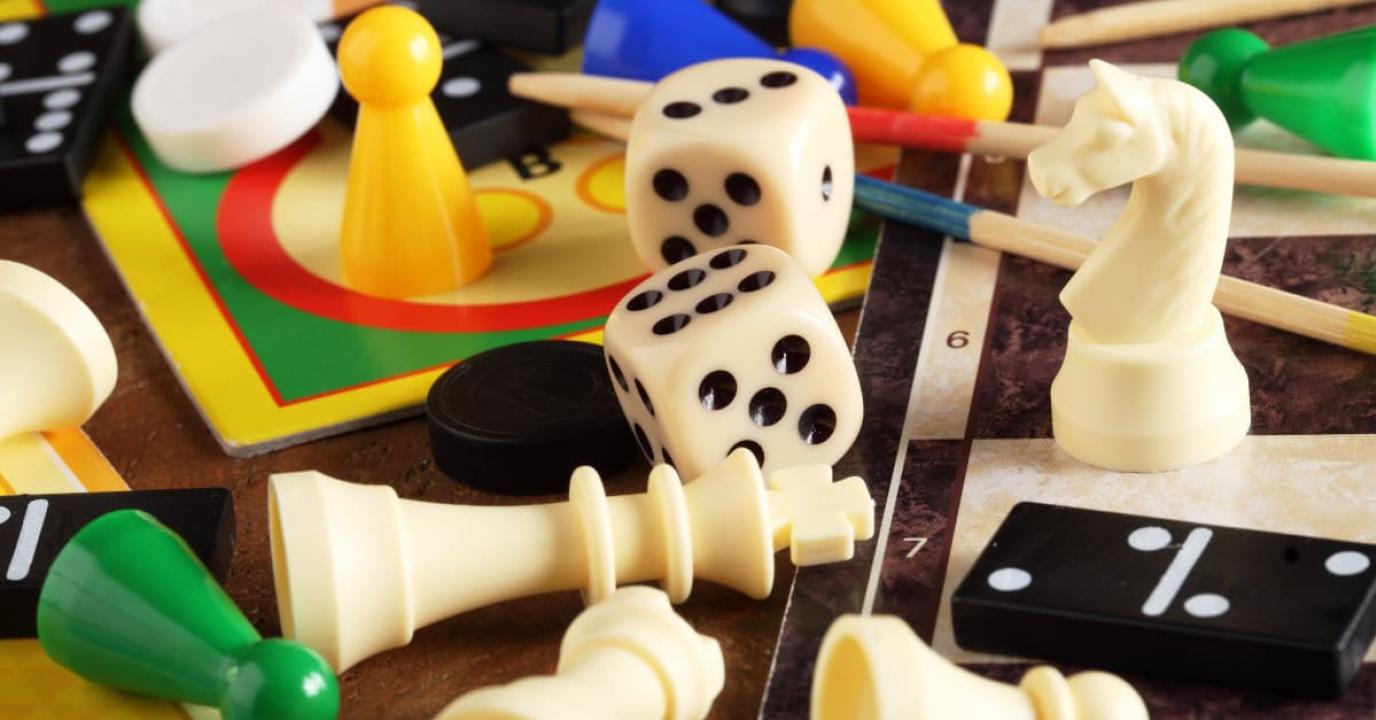
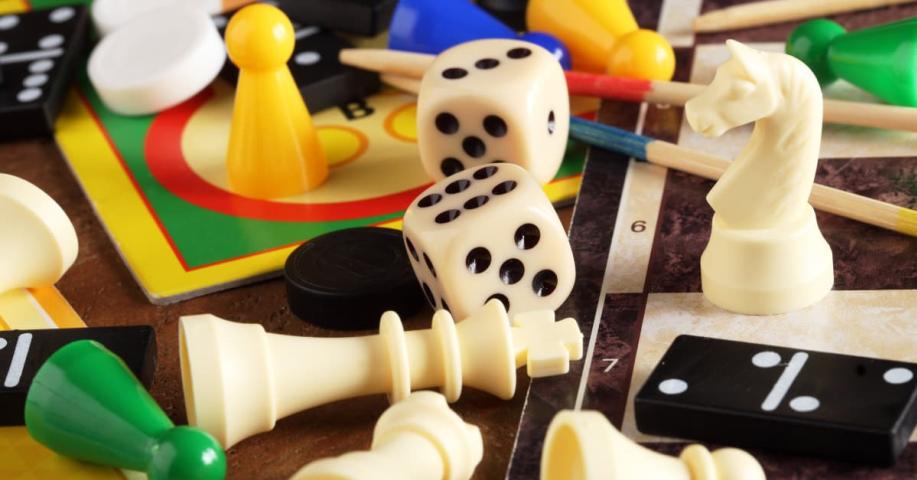
There’s something disarming about sitting around a board game. It doesn’t demand vulnerability the way traditional talk therapy might, yet it often leads right there. What was once a childhood pastime has found new life in therapy rooms, group homes, and clinics, offering a creative and structured way to help clients open up, connect, and grow.
In therapy, board games aren't just used to fill time—they serve a purpose. They help reduce resistance, encourage communication, and support emotional regulation. Whether working with children, teens, or adults, board games can help break down walls and build meaningful therapeutic relationships.
What Makes a Board Game “Therapeutic”?
Not every board game is therapeutic, and not every therapeutic game is fun. A successful therapy-based board game strikes a balance between engagement and purpose. It must:
Reinforce a specific emotional or behavioral goal
Offer room for reflection and discussion
Foster safe social interaction
Avoid competition that could harm therapeutic trust
A well-designed therapeutic game is structured but not rigid. It facilitates insight while allowing players to remain in control. Elements like card prompts, scenario-based challenges, and choice-based consequences make games powerful tools in therapy.
Real-World Uses: Where Board Games Fit into Therapy Today
Therapists across different modalities have adopted board games to address a range of mental health challenges:
Anxiety & Depression: Games that model decision-making, emotional processing, and calming techniques.
Trauma Recovery: Role-based games allow clients to express narratives in a controlled, symbolic way.
Social Skills in Children & Teens: Structured games help model turn-taking, empathy, and assertiveness.
Group Therapy: Cooperative play creates a safe and interactive environment to build trust and connection.
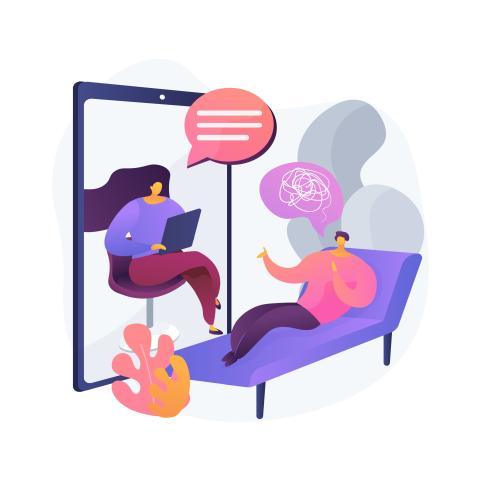
These aren't hypothetical applications. They’re already happening in schools, community centers, private practices, and even telehealth settings.
Popular Therapy-Focused Games and Why They Work
Here are a few board games currently making a clinical impact:
The Ungame: A non-competitive game focused on open-ended self-expression. It encourages deep listening and emotional literacy.
Feelings in a Jar / Mood Bingo: Designed for younger clients to name, express, and understand emotions.
Dungeons & Dragons (TTRPG format): Used in trauma work, ASD interventions, and social skills training. Role-playing allows clients to externalize problems and practice problem-solving in a safe space.
What makes these games effective isn’t luck. It’s design. They embed therapeutic mechanisms within engaging gameplay.
How Custom Board Games Are Developed for Mental Health Use
Therapists often know what their clients need but lack the tools to deliver those insights in a way that engages. That’s where custom board game development comes in.
In collaboration with game developers who understand therapeutic goals, professionals can create:
Games targeting specific disorders (e.g., social anxiety, ADHD, grief)
Age-appropriate tools for children, teens, or geriatric clients
Culturally sensitive and inclusive play models
These games are often tested, refined, and co-created with feedback from actual clients. When the design aligns with the therapy process, the results are deeply effective. Explore more on custom therapeutic board game development.
What to Consider Before Using Board Games in Practice
Before you integrate board games into your clinical toolbox, consider the following:
Appropriateness: Is the game suitable for your client’s age, cognitive level, and condition?
Triggers: Does it potentially surface emotions or memories that need proper clinical framing?
Facilitation: Games are tools, not standalone therapists. The role of the clinician in guiding the experience is critical.
Accessibility: Can the game be used with neurodiverse clients? Are its visuals and language inclusive?
A thoughtful approach ensures the game supports the client’s goals and feels safe and welcoming.
Evidence and Research Behind Game-Based Interventions
The empirical support for therapeutic board games is growing. Studies show that structured play improves emotional regulation, social skills, and cognitive functioning. For example:
A 2021 study published in Frontiers in Psychology found significant improvements in children with ADHD using board-game-based interventions.
The American Psychological Association reports that TTRPGs enhance communication and resilience in trauma-informed therapy.
Evidence-based practice isn't just about citations—it's about outcomes. And these tools are delivering.
Practical Tips for Therapists Getting Started
If you're considering bringing board games into your therapy sessions, here are a few starting points:
Begin with simple, open-ended games like The Ungame.
Introduce the concept slowly and observe how clients respond.
Debrief after gameplay to draw out therapeutic insights.
Consider training or consultation if you're unsure how to integrate game-based work ethically and effectively.
When to Consider a Custom-Made Game
While many off-the-shelf games are useful, they often require modification or don't fully meet clinical needs. Custom game development allows you to:
Align with specific therapeutic outcomes
Address unique populations (e.g., LGBTQ+ teens, veterans, trauma survivors)
Maintain clinical control over the content and pacing
If you’ve ever wished a game did “just a little more,” a custom game might be the solution. Learn how we develop custom board games for therapy.
Final Thoughts: Play with Purpose
Board games won’t replace therapy, but they can enhance it. When thoughtfully selected and intentionally used, they open doors that conversation alone sometimes can’t. Whether you're working with children struggling to name emotions or adults recovering from trauma, game-based therapy offers a fresh, engaging way to support healing.
The tools are out there. The research is growing. And with the right game partner, you can bring something genuinely transformative into your practice.