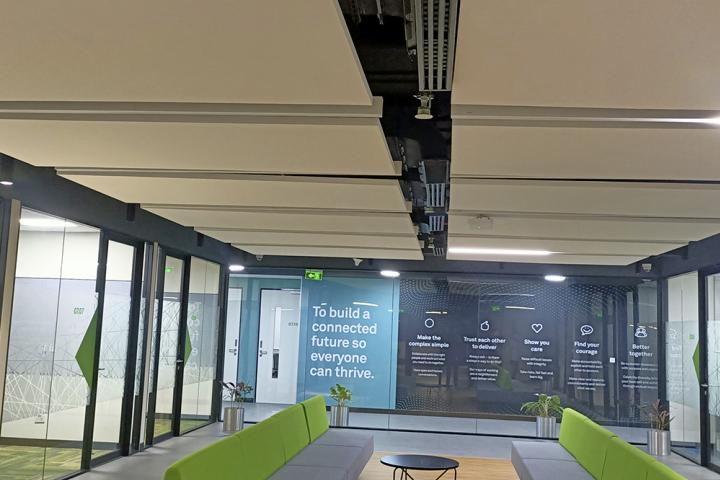
Sound clarity starts with the right panels. A Fiberglass Acoustic Panel offers consistency, strength, and excellent performance. It’s trusted for both safety and sound absorption.
Why Fiberglass Panels Work So Well
A Fiberglass Acoustic Panel handles sound across multiple frequencies. It absorbs noise and reduces reflections. Studios, schools, and healthcare facilities rely on its performance.
This panel is made from tiny spun glass fibers. It traps sound energy before it bounces. As an acoustic material, it also improves voice clarity and reduces background disturbance.
NRC Ratings Explained Simply
NRC means Noise Reduction Coefficient. It tells you how well a surface can absorb sound. A Fiberglass Acoustic Panel generally has an NRC between 0.80 and 1.00.
This range means strong sound control. High NRC panels help reduce echoes. Always check this rating when comparing acoustic treatment materials.
Frequent Installation Problems
Even top panels need the right installation. A poorly placed Fiberglass Acoustic Panel won’t perform well. Gaps between the wall and panel weaken its function.
Panels should sit flat. Use proper mounting tools and secure edges. Follow correct methods when applying acoustic treatment materials to avoid wasted effort.
Avoiding Edge and Surface Damage
Handling is key. A Fiberglass Acoustic Panel has soft edges that may fray. A simple wood frame protects corners and increases its lifespan.
Humidity can loosen fabric wraps. These panels should always be stored dry. Public buildings should use reinforced designs for added durability.
Fiberglass vs Polyester Panels
Some compare fiberglass with a polyester fibre acoustic panel. Both help with noise control, but they’re different in use.
The polyester fibre acoustic panel is lightweight and eco-conscious. Still, fiberglass delivers better absorption across frequencies. Each has its place depending on your project’s goal.
In some cases, combining both creates great results. Offices and shared spaces benefit from a mix of materials.
Built-In Fire Resistance
A Fiberglass Acoustic Panel holds natural fire-resistant traits. Most meet Class A ratings, which resist flame spread. This is crucial for public and commercial use.
Before choosing, always check for certifications. Not every panel in the acoustic treatment materials category meets fire safety standards.
Cleaning Tips to Keep It New
These panels need little effort to clean. A soft vacuum or cloth does the job. Avoid wet cleaners or sprays that can ruin the surface.
Choose washable covers in high-use places. These resist dirt and maintain looks. Regular care keeps performance strong year after year.
Sound Control by Room Type
Every space has its own noise behavior. A Fiberglass Acoustic Panel suits everything from gyms to conference rooms. It reduces reverb and enhances speech in large or small areas.
Add ceiling baffles or corner traps for better balance. Use a mix of acoustic material for wider coverage and deeper sound absorption.
Solving Performance Problems
Underwhelming results often trace back to setup. The Fiberglass Acoustic Panel must target problem zones like corners or hard walls. Misalignment weakens its power.
Use enough panels for the room’s size. Thin coverage won’t do. Always refer to the maker’s layout advice when using acoustic treatment materials.
How Long Do They Last?
These panels are known for lasting power. A Fiberglass Acoustic Panel resists sagging and damage. Unlike foam, it stays intact even after years of use.
Compared to a polyester fibre acoustic panel, fiberglass keeps its structure longer. This makes it a great pick for long-term use in busy buildings.
Design Flexibility
The Fiberglass Acoustic Panel fits almost any design. It’s available in various fabrics, shapes, and colors. You can match branding or interior themes with ease.
In both formal and creative spaces, the look and feel of these panels enhance their appeal.
Which Material Is Best?
If your focus is on safety and high sound control, fiberglass is a better acoustic material. It delivers consistent results and meets code.
That said, the polyester fibre acoustic panel still has value—especially in eco-friendly or budget-driven projects. Sometimes, blending materials works best.
Final Thoughts
The Fiberglass Acoustic Panel delivers on performance, safety, and reliability. Its high NRC, long life, and fire safety make it an industry favorite. This is why it is utilised by everyone. If used properly, it reshapes how a space sounds and feels. Among all acoustic treatment materials, this one remains a go-to for serious acoustic professionals.