Walk into a closed room, and sound instantly interacts with walls, ceilings, and furnishings. Whether it fades, echoes, or becomes muffled depends on the materials present. In this regard, one of the most effective tools for controlling this behavior is sound insulation foam.
Hard surfaces tend to reflect vibrations, while specialized foam absorbs and diffuses them. That’s where true acoustic control begins.
Echoes Versus Stillness: The Acoustic Difference
This contrast stems from how sound waves are treated. Rooms without proper insulation allow audio to ricochet endlessly. Apply sound insulation foam, and that chaos is instantly managed. This material doesn't just reduce sound; it transforms it, neutralizing unwanted reverberation almost instantly.
Absorption Through Intelligent Design
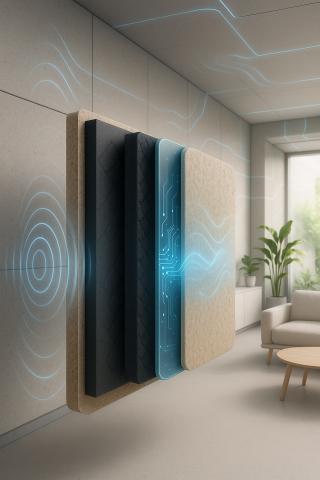
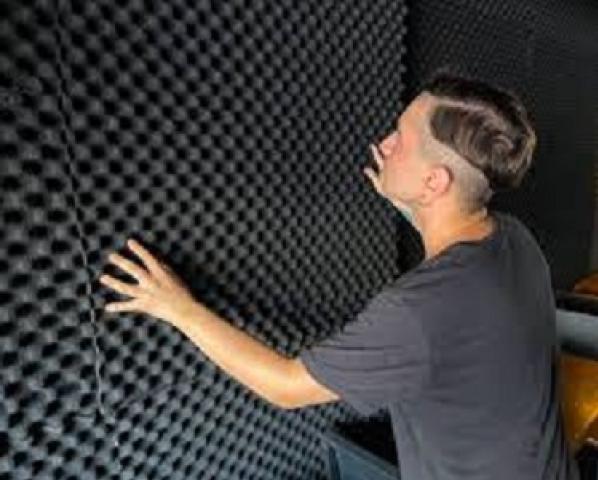
Noise travels in waveforms. When these reach the uneven, cellular surface of acoustic foam, they encounter resistance. Instead of reflecting, they lose strength.
This happens because the internal structure of sound insulation foam disrupts the energy of each wave. It dissipates vibration by converting that energy into low-level heat. This is a highly efficient process that improves room comfort and quietness.
Foam Density and Its Influence on Performance
All foam isn’t created equal. Its density, shape, and thickness dictate how much noise it can absorb. Heavier foam is ideal for controlling mid to high-range frequencies. Lightweight variants tend to minimize surface-level disturbances.
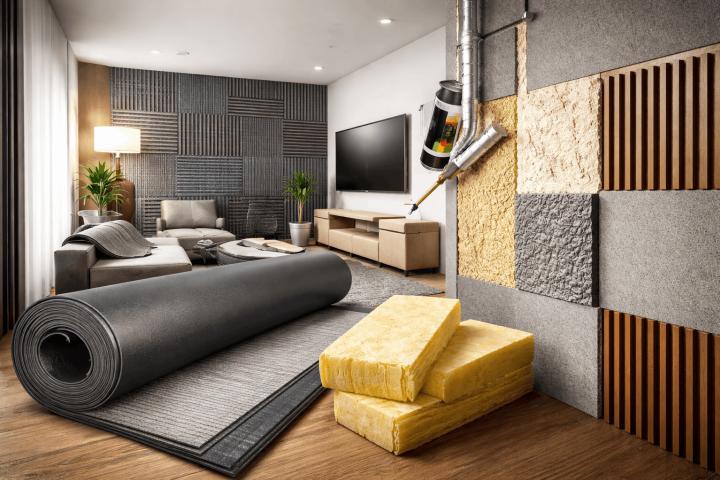
To tackle a broader spectrum, installers pair the foam with sound insulation sheets. These sheets reinforce low-end frequency control, preventing noise transfer through structural surfaces.
Sound and Style: The Aesthetic of Quiet
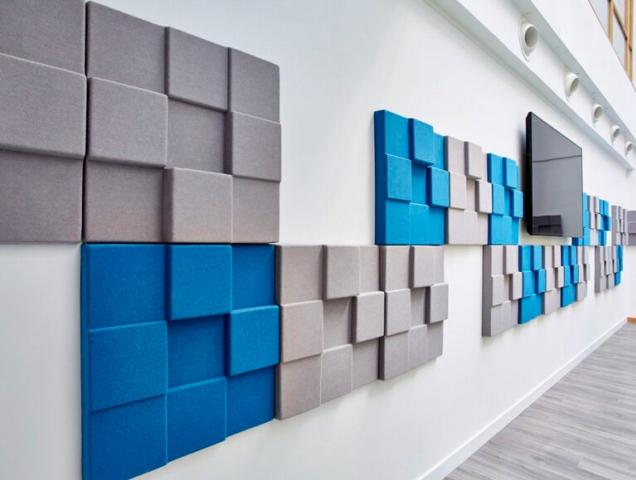
Beyond performance, there’s visual appeal. Foam panels come in geometric cuts, including waves, pyramids, and tiles. These are not only decorative but also serve distinct acoustic purposes.
For premium performance, many professionals use a layered approach. By positioning sound insulation foam over a fiberglass acoustic panel, clarity improves dramatically. The panel manages ambient energy while the foam polishes the result, offering both depth and definition.
Targeted Placement for Maximum Efficiency
Where the foam is placed affects how well it performs. Key locations include corners, rear speaker walls, and overhead areas. These spots tend to amplify sound reflection if left untreated.
Installing sound insulation foam in these regions ensures balanced acoustics. Conversations sound cleaner, background buzz is reduced, and overall clarity is noticeably improved.
Why Interior Spaces Benefit Most?
Outside, sound dissipates freely. Inside, walls and ceilings trap noise, creating potential for echo and distortion. Foam becomes essential in these environments because it addresses exactly this issue.
By integrating sound insulation foam, a barrier is formed. This layer interrupts sound before it multiplies across surfaces, improving both ambiance and functionality.
Simplicity Without Complication
One of the strongest advantages of foam is its ease of use. There are no mechanical parts, software, or calibration steps. Simply place it, mount it, and it starts working.
To enhance the setup, many contractors pair foam with sound insulation sheets. The sheets shield the structure from external noise, while the foam corrects internal acoustics, delivering a two-tiered defense.
Designing for Silence: The Role of Planning
The best soundproofing often goes unnoticed—until it’s missing. What people detect most isn't always the calm, but the clatter that shouldn't be there. That’s why professionals often include foam in projects involving fiberglass acoustic panel systems.
Together, these elements reshape chaotic environments into quiet, productive spaces. Whether used in schools, medical centers, or creative studios, the transformation is remarkable.
Layering for Enhanced Control
Achieving effective soundproofing isn’t about using one product. It’s about building a system. Sound insulation foam becomes most impactful when used in combination with other materials.
Applied behind drywall, under suspended ceilings, or above acoustic grids, the foam improves control. Adding fiberglass acoustic panel components increases density and creates a more detailed response to audio within the room.
Breaking the Myth Around Foam’s Weight
There’s a misconception that foam doesn’t offer real performance due to its light structure. In truth, high-grade sound insulation foam can equal or surpass heavier solutions in echo control and vocal clarity.
Backed by sound insulation sheets, this material becomes part of a powerful system. It’s not just about softening. The reason? It is all about stopping disruptive noise from spreading or returning.
Durable Silence That Lasts
Foam-based acoustic solutions offer long-term value. Once positioned, they maintain shape and performance over the years of use. No realignment. No replacements. No ongoing care.
That’s why this material is often integrated with fiberglass acoustic panel setups in commercial buildings. Its strength lies in reliability as much as in sound absorption.
Thinking Ahead
Whether you’re planning a new workspace, designing a home studio, or upgrading a classroom, sound insulation foam brings immediate and lasting improvement. Use it with effective sound insulation sheets and pair it with professional-grade fiberglass acoustic panel systems.
Together, these tools reshape any room into a balanced, quiet, and acoustically rich environment. All done without compromise. explore tranquil: https://www.tranquilglobal.com/index.html