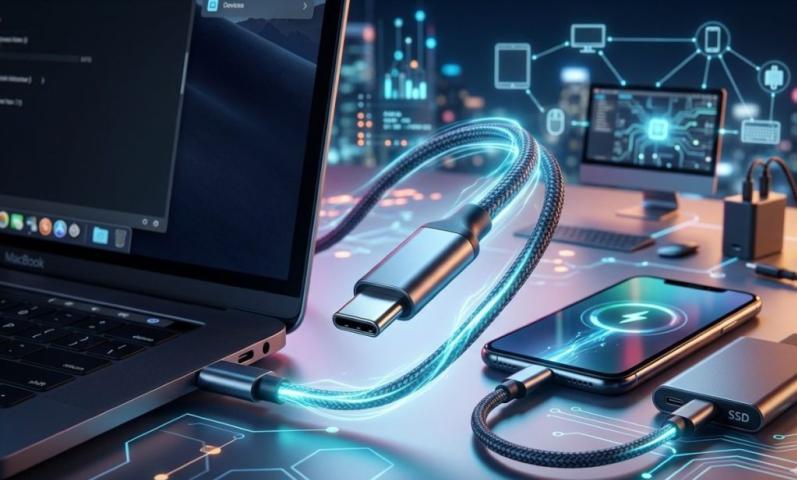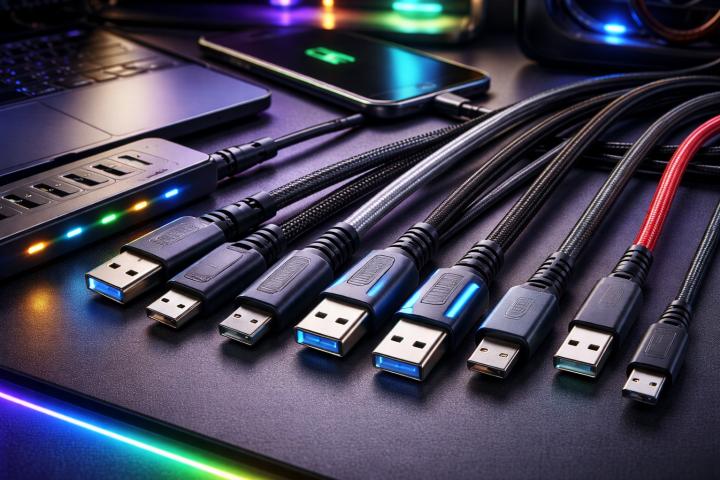

You might think all male USB cables are the same, but that’s not true! The quality of your USB cable can make a big difference in how well your devices work. From charging speed to data safety, picking a good cable is important. Let’s explore why quality matters in an easy way everyone can understand.
What Is a Male USB Cable?
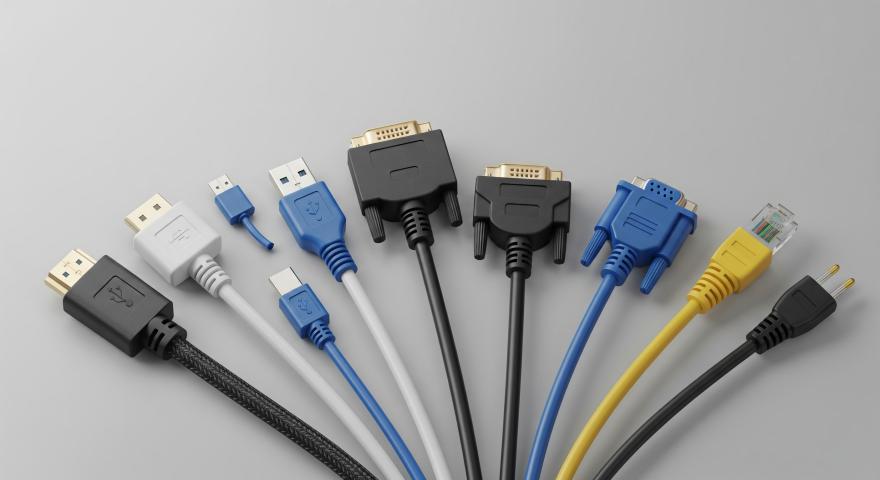
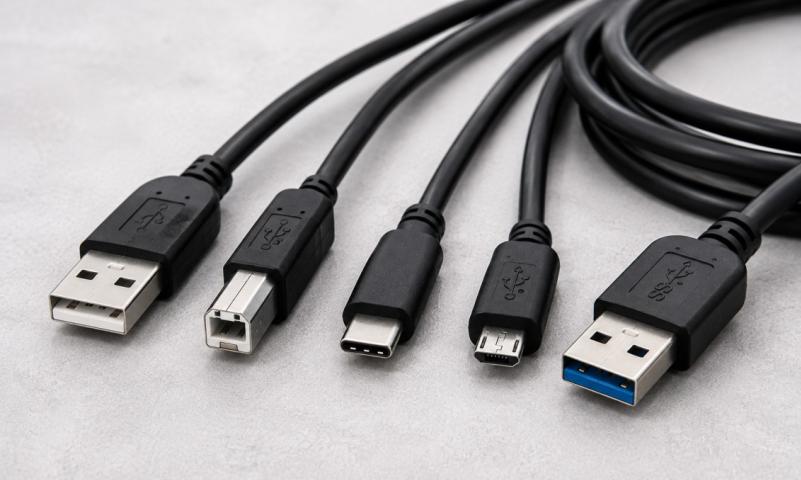
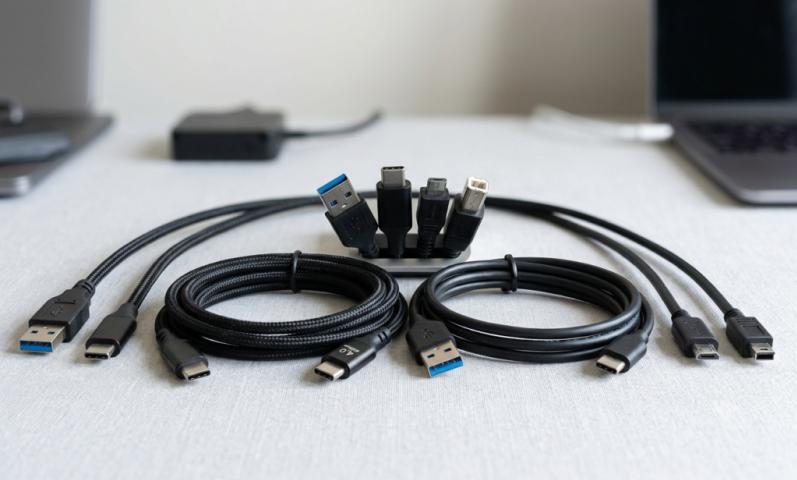
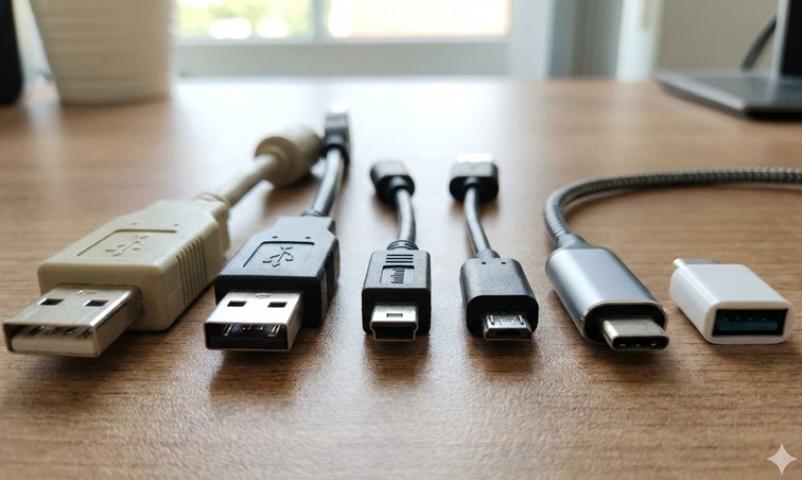
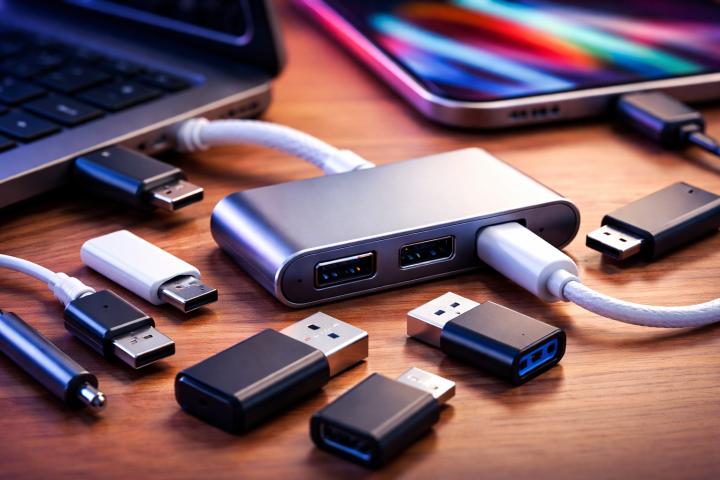
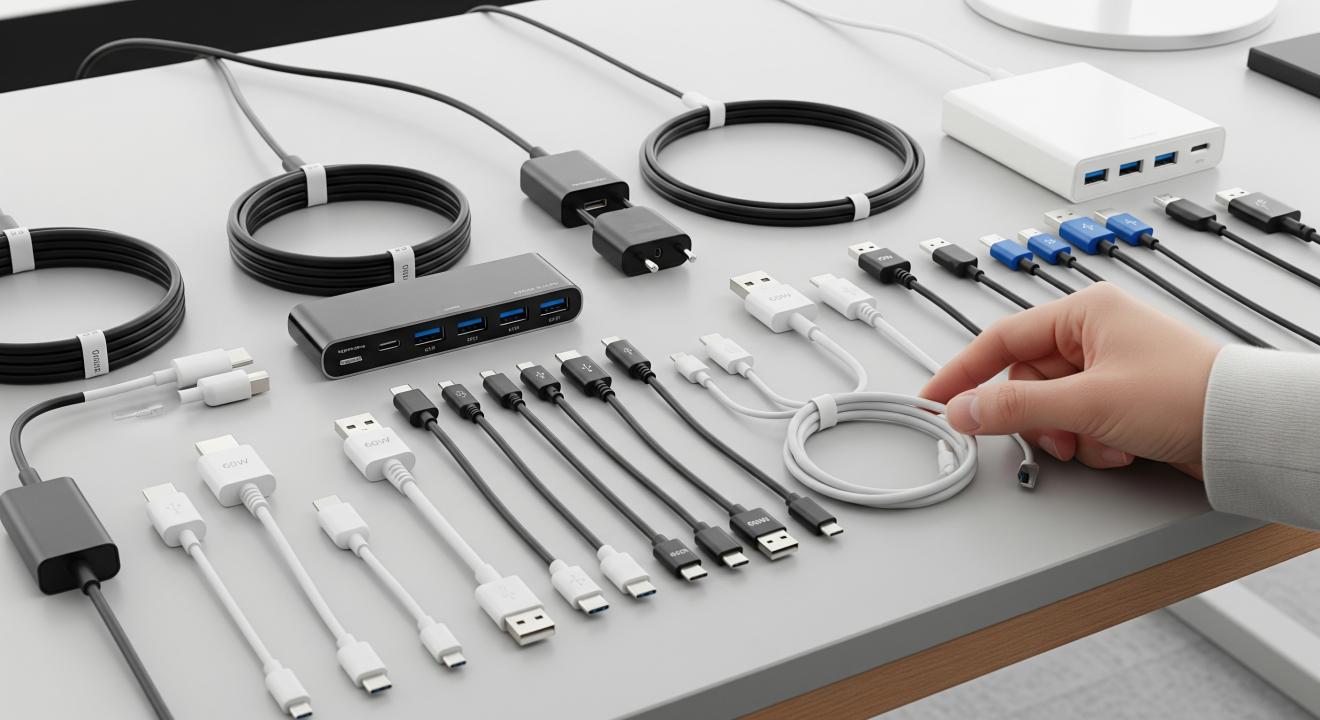
A male USB cable is the part of a USB wire that plugs into your device or charger. It usually has a plastic or metal end with pins inside that fit into the matching port on your gadget. Male USB cables come in different shapes like USB-A, USB-C, Micro-USB, and more.
The Exact Answer: Does Quality of USB Cable Matter?
Yes, the quality of a male USB cable matters a lot!
Good quality cables charge your devices faster, transfer data safely without errors, last longer without breaking, and protect your devices from damage. Poor quality cables might charge slowly, break easily, or even cause problems like overheating or data loss.
Why Does Quality Matter for Charging?
Charging your phone or tablet might seem simple, but a poor cable can make it take much longer. Good cables are made to carry the right amount of power safely. If the wires inside are thin or badly made, the power flow gets weak and slow.
Cheap cables might also get hot, which can damage the cable or your device. A good quality male USB cable stays cool and steady, giving your device just the power it needs.
Why Quality Is Important for Data Transfer
Many people use USB cables to move photos, videos, and files between devices. A bad cable can cause interruptions or errors during this process. This means files might get corrupted or transfer very slowly.
Good quality cables have better shielding and thicker wires. This protects the data signals from interference and lets files move fast and without mistakes. This is especially important if you transfer large files like movies or important work documents.
How Quality Affects Cable Durability
Cheap or poorly made cables often break quickly. They might have weak connectors that come loose or cables that fray and expose wires inside. This not only wastes money but can be unsafe.
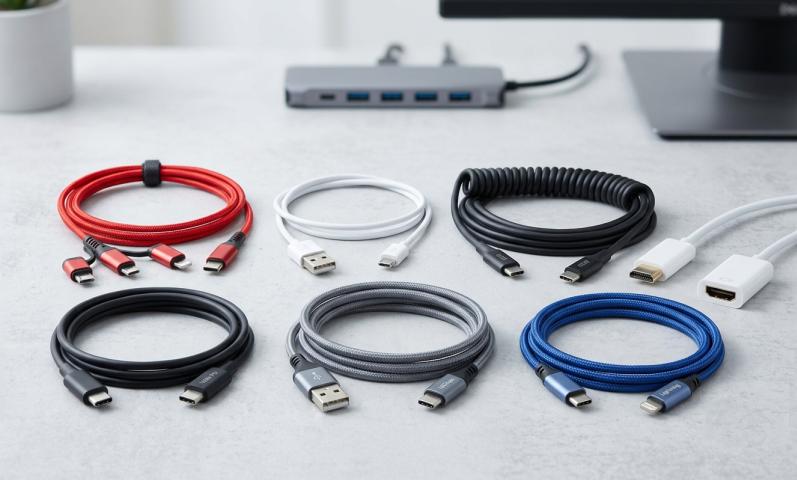
High-quality male USB cables often have reinforced connectors, braided jackets, or thick insulation. These features make them last much longer, even if you use them every day, plug and unplug often, or carry them in a bag.
What Makes a USB Cable Good Quality?
Thicker wires inside: More copper lets power and data flow smoothly without losing strength.
Strong connectors: Solid plastic or metal ends that don’t break or bend easily.
Good shielding: Protects the cable from interference, keeping data safe.
Sturdy cable jacket: Braided or thick rubber that won’t wear out quickly.
Proper certification: Look for cables tested by USB-IF or other trusted groups.
Can A Bad USB Cable Damage Devices?
While rare, some poor cables can cause trouble. Cheap wires might overheat, or the connectors might supply wrong power levels. This can strain your device’s battery or even cause permanent damage.
Using a good quality cable helps keep your device safe because it meets the correct power and data standards.
Does Cable Length Affect Quality?
Yes. Longer cables can sometimes slow down charging and data, especially if they are cheaply made. Good quality cables carefully balance length with performance, so the cable does not lose signal strength.
For the best charging speed, shorter cables are usually better, but good quality long cables still work well if designed properly.
How to Spot a Good Quality Male USB Cable?
Check if the cable feels thick and sturdy.
Look for reinforced ends or braided coverings.
See if the cable package says it supports fast charging or high-speed data.
Choose cables from trusted brands or reliable usb cable suppliers.
Avoid cables that feel too flexible or thin; they might be low quality.
Why Are Some USB Cables More Expensive?
Good materials, special coatings, and certifications cost more to make. That’s why the best male USB cables often cost a bit extra. But the investment pays off because the cable lasts longer and works better.
Cheaper cables might save money upfront but can cause slow charging, data errors, or break easily.
Fun Facts About USB Cable Quality
Some high-quality cables can support charging up to 100 watts!
Braided cables last longer and resist tangling better.
USB cables designed for USB 3.0 or higher usually have extra wires for faster data.
The male USB connector’s design matters for how well it fits and lasts in your device.
Summary
The quality of a male USB cable definitely matters. A good cable charges your devices faster, transfers your data safely, lasts longer, and keeps your gadgets protected. Cheap or poor cables can make charging slow, data unreliable, or even damage your devices.