Cloud-based software and tools are the present, not the future, of business. By storing information and applications running on distant servers that are reachable from any location with an internet connection, these technologies enable businesses to operate more efficiently, effectively, and cooperatively. Cloud-based technologies are a crucial investment for companies trying to increase flexibility, improve operations, and reduce costs.
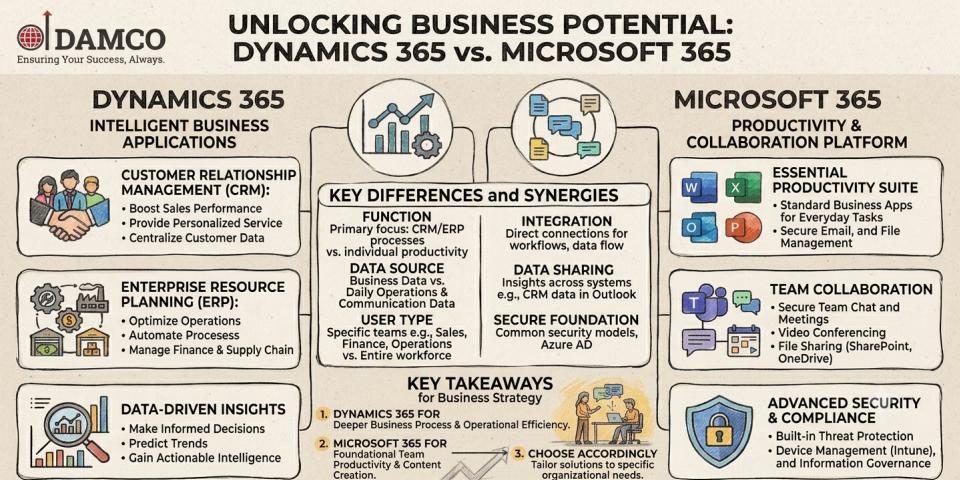
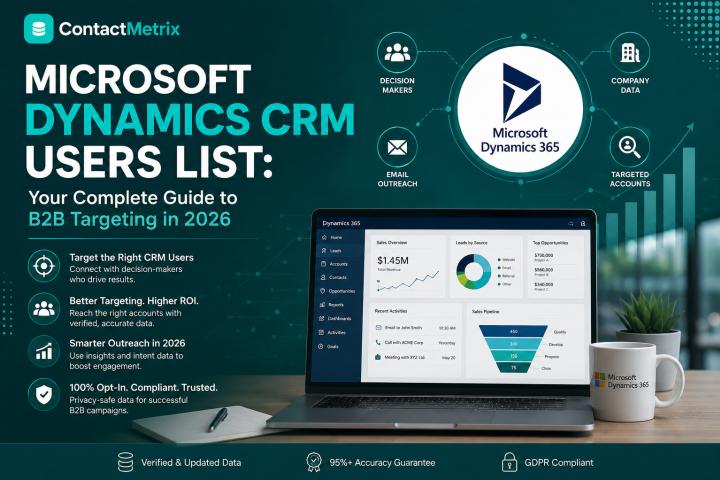
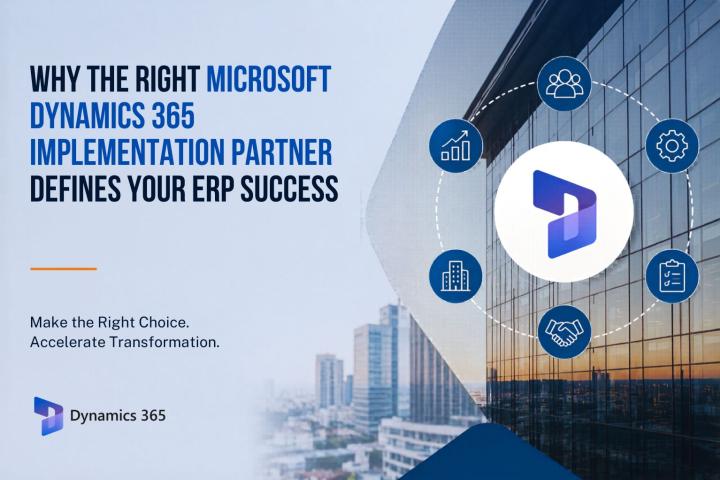
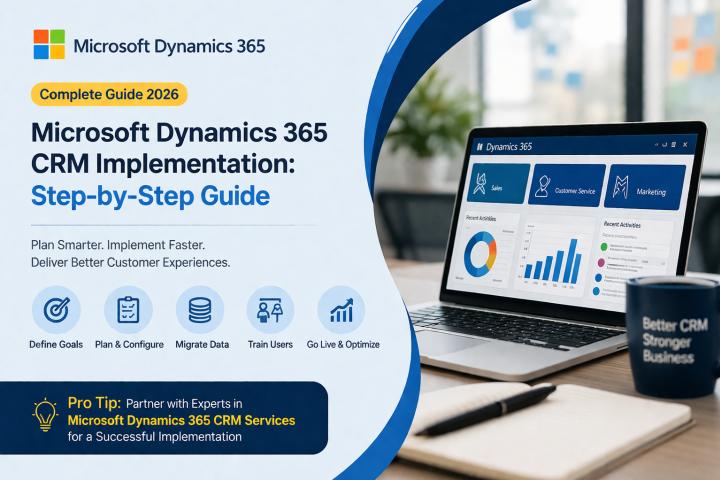
Knowing the potential of cloud applications will help you make better decisions, whether you're a corporate IT manager, small business owner, or just trying to update the workflow of your staff. Let's examine why cloud-based solutions are changing contemporary enterprises and how to use them successfully. By combining CRM and ERP capabilities, Microsoft Dynamics 365 optimises corporate processes and promotes productivity, growth, and insights.
Cloud Computing: What Is It?
The offering of on-demand computer resources, such as hardware, storage, the form of databases, networking, and software, to both individuals and organisations through a network (often the internet) is referred to as cloud computing. Organisations can access and store data using cloud-based computing without having to worry about maintaining their own IT infrastructure or physical devices.
It has become increasingly challenging for organisations to continue running their operations within the organisation's computing servers as the volume of data that is produced and shared keeps growing, and customers expect greater access to online services.
Cloud Computing Types
Private, public, and hybrid cloud computing are the three categories of cloud computing. These speak to the location of the infrastructure and the people who can access it.
In a private cloud, computing services are distributed for a single organisation via a private IT network. Since the private computer is hosted in-house and secured by corporate firewalls, it provides a better level of security because external users cannot access it. Anyone can access computational resources using a public cloud. The services are made available online by third-party suppliers for free or for on-demand purchase.
Finally, when a company's infrastructure grows, a hybrid cloud can transition from a private to a public cloud, providing the "best of both worlds." Businesses using the hybrid cloud will only be charged for the capacity they use momentarily, rather than buying and maintaining the resources of publicly accessible cloud computing.
The Advantages Of Cloud Computing
A Quicker Time To Market
Developers may speed up work with rapid deployments since customers can spin up additional instances or retire existing ones in a matter of seconds. By eliminating hardware constraints and sluggish procurement procedures, cloud computing facilitates the testing of novel concepts and the design of new applications.
Collaboration Within Team
Collaboration within a team is encouraged both within and outside of the physical office, thanks to cloud-powered productivity services and suites that enable numerous coworkers to collaborate on projects at once. Microsoft Office 365 and Google Workspace are two instances of such services.
Coworkers can share information quickly and easily thanks to cloud computing. Even if workers are working from various places or time zones, this keeps them consistent while they collaborate on projects. In the era of remote work, this skill is more crucial than ever.
Encourages Job Satisfaction
Cloud-based business management software facilitates the management of access, particularly for distant workers. Workers may access their work from any location and on any device, which boosts productivity and gives the organisation more flexibility and autonomy.
Your teams will be more driven to collaborate and be on the same page with this centralised approach to communication. You can improve job satisfaction and staff retention by giving workers more freedom while maintaining the required amount of control.
Enhances Accessibility Of Data
Employees must have remote, real-time access to data to be as productive as possible. Employees can access information about the business from any internet-connected device thanks to cloud computing. Users can access data instantly by logging into a single web portal with the correct credentials.
Some cloud-based services also include role-based access, which makes sure that only people with permission may access private data. Only those who are authorised can access private information thanks to these security measures.
Flexibility And Scalability
Cloud computing increases the flexibility of your company. Without making physical infrastructure investments, you may easily scale up storage and other capacities to meet the needs of the company.
The infrastructure required to customer support their maximum load levels does not need to be built or purchased by businesses. If resources aren't being used, they can also scale down rapidly.
Finances
Any business's main objective is to turn a profit, and reducing operating expenses wherever possible will help achieve that objective. It should come as no surprise that the biggest advantage of cloud migration is financial. The cloud's financial model is dependable and cost-effective. There are no up-front expenses, and you have the option of paying monthly flat prices per user or based on the amount of the bandwidth consumed.
Scalability is simple in both directions. Additionally, moving from legacy computers to cloud servers saves energy, lowers the need for IT support workers, and does away with the requirement for frequent server environment upgrades. All of this adds up to extra cash for your company.
Final Words
When choosing cloud software, it's important to match the features and advantages of the program with your company's requirements. When choosing, take into account aspects like price, scalability, security, and integration potential.