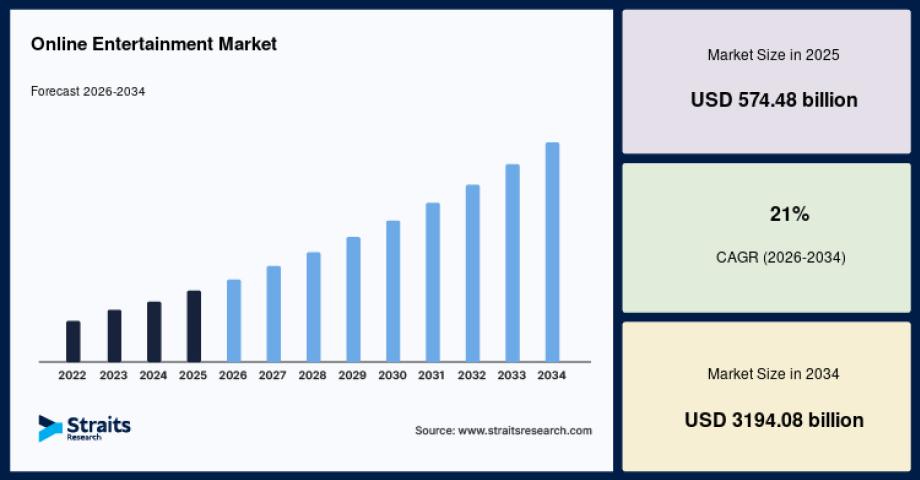

The entertainment industry is experiencing a massive digital transformation, and mobile apps sit at the center of this revolution. Your entertainment app idea could be the next revolutionary that captures millions of users worldwide. The global entertainment app market is projected to reach unparalleled heights, driven by changing consumer behaviors and technological advances.
Whether you're dreaming of the next Netflix, TikTok, or innovative gaming platform, the key is in transforming your creative vision into a sustainable business model.
Here's the thing: having a great idea is just the starting point. Success requires strategic planning, flawless execution, and smart monetization to turn your concept into a profitable entertainment app.
Why Entertainment Apps Are Booming in 2025
The entertainment landscape has fundamentally shifted. People spend an average of 4 to 7 hours daily on their mobile devices, with entertainment apps capturing the largest share of screen time. Streaming services, gaming apps, social media platforms, and interactive content have become integral parts of daily life.
What makes this particularly exciting is the empowerment of content creation and distribution. Independent developers and small studios can use the same tools and platforms as major corporations. The barrier to entry has lowered, while the potential for viral success has increased exponentially.
Consumer preferences are also evolving continuously. Users demand customised experiences, interactive content, and smooth cross-platform integration. This creates countless opportunities for innovative entertainment app ideas that can disrupt established markets or create entirely new categories.
Steps for Turning an Entertainment App into a Profitable Business
Step 1: Validate Your Entertainment App Idea
Identify What is Your Niche
The entertainment space is huge, but the success comes from finding your specific niche. Niche like- are you targeting music lovers, video content consumers, gamers, or something entirely different? Your niche determines everything from feature development to marketing strategy. The key is finding the right spot between market demand and your unique strengths.
Study the Competition
Research isn't about copying what already exists. It's about understanding market gaps and user frustrations with current solutions. Look at app store reviews, user feedback forums, and social media comments. What are people complaining about? What features do they desperately want? This intelligence becomes your competitive advantage.
Understand Your Target Audience
Demographics matter, but psychographics matter more. Who are your users beyond age and location? What motivates them? When do they use entertainment apps? How much are they willing to spend? Create detailed user personas that guide every decision from design to monetization. entertainment app development requires deep user understanding to succeed.
Validate Assumptions with Research Tools
Focus groups, use surveys, and prototype testing to validate your assumptions before investing heavily in development. Tools like Google Trends, competitor analytics, and social media analytics platforms provide valuable market insights. The goal is to prove demand exists before you build supply.
Step 2: Choose the Right Monetization Strategy
Freemium Model
The Freemium model provides basic features for free while also charging for premium functionality. It works perfectly well for entertainment apps because users can experience value before committing financially. The challenge is in striking the right balance between free and paid features without frustrating users.
Ad-Supported (AVOD)
Advertising revenue can be substantial if you achieve user engagement and retention. However, entertainment app monetization through ads requires careful implementation to avoid disrupting user experience. Consider native advertising, sponsored content, and strategic ad placement that feels organic rather than intrusive.
Subscriptions (SVOD)
Annual and Monthly subscriptions provide a predictable recurring revenue, which investors love. This model works best when you can continuously deliver fresh and high-quality content that keeps users engaged for long period of time. The key is demonstrating ongoing value that justifies the recurring cost.
In-App Purchases
Perfect for gaming and interactive entertainment apps where users can buy virtual goods, premium content, or enhanced features. Success depends on creating compelling reasons for users to make purchases without making the app feel like a constant sales pitch.
Pay-Per-View or Rentals (TVOD)
This works well for premium content like movies, live events, or exclusive shows. Users pay only for what they consume, and this thing can appeal to price-conscious consumers who don't want ongoing subscriptions.
Affiliate Revenue
Partner with relevant brands and services to earn commissions on referrals. This works particularly well if your app naturally connects to products or services your audience already uses.
Step 3: Develop and Launch Your Entertainment App
Choose the Right Tech Stack
Technology plays a huge role in your app's performance and scalability.
Frontend: React Native, Flutter, or Swift/Kotlin for native apps.
Backend: Node.js, Python (Django/Flask), or Java with scalable cloud infrastructure.
Database: MongoDB, PostgreSQL, or Firebase.
Streaming technologies: Wowza, AWS Media Services, or custom CDN integration.
Work with experienced developers who understand both app development and entertainment-industry challenges like copyright protection, DRM, and scalability.
Design for User Experience (UX/UI)
Entertainment apps must keep users engaged for longer sessions. A cluttered or slow design will drive them away. Prioritize:
- Intuitive navigation
- Smooth streaming & fast load times
- Visually appealing layouts
- Dark mode (commonly preferred for video/music apps)
Consider UI/UX testing before launch to identify usability issues.
Step 4: Implement Strong Security
Entertainment apps deal with sensitive data like payment details and copyrighted content. You need secure payment gateways that protect users financial information during transactions. Digital Rights Management (DRM) systems are essential for video and music content to prevent unauthorized copying and distribution. Implement comprehensive data encryption to protect all user information, both in transit and at rest. Regular security updates help fix vulnerabilities as they're discovered and keep your app protected against new threats.
Step 5: Monetize and Scale Your App
Increase Profits with Smart Tactics
Once your app gains traction, focus on optimizing revenue per user. This might include adjusting pricing, improving conversion rates from free to paid users, and introducing new monetization streams. A/B testing different approaches helps identify what works best for your specific audience.
Use Analytics to Optimize Performance
Data drives everything in the entertainment app business. Track user behavior, engagement metrics, retention rates, and revenue per user.
Tools like Mixpanel, Google Analytics, and custom dashboards help you in understanding what's working and what needs to be improved. Entertainment software development requires continuous optimization based on user data.
Focus on Continuous Improvement
The most successful entertainment apps constantly evolve based on user feedback and market trends. Fresh content, regular updates, and new features keep users engaged and attract new audiences. Stay ahead of technological advances like AR, AI, and emerging platforms.
Scale gradually but strategically. Expand to new markets, develop additional apps that serve the same audience, or add complementary features. Building a portfolio of entertainment products that creates multiple revenue streams and reduces dependence on any single app.
Wrapping Up
Transforming your entertainment app idea into a thriving business requires more than creativity and technical skills. Success comes from validating market demand, choosing the right monetization strategy, and executing flawlessly from development through scaling. The entertainment app market offers incredible opportunities, but competition is fierce.
Focus on solving real problems for specific audiences, deliver exceptional user experiences, and adapt quickly based on market feedback. Whether you hire android app developer or build an in-house team, remember that great apps are built through iteration, user feedback, and relentless focus on value creation. Your