
The on-demand economy is rapidly reshaping how people find and hire services. From home repairs to personal errands, platforms like TaskRabbit have shown how powerful a service marketplace can be. Entrepreneurs and startups are now seeking opportunities to build their own platforms with the help of a taskrabbit clone. This article explores how you can create a successful on-demand service app, what features are essential, the development process, costs involved, and why partnering with the right mobile app development company is crucial.
Understanding TaskRabbit Clone App Development
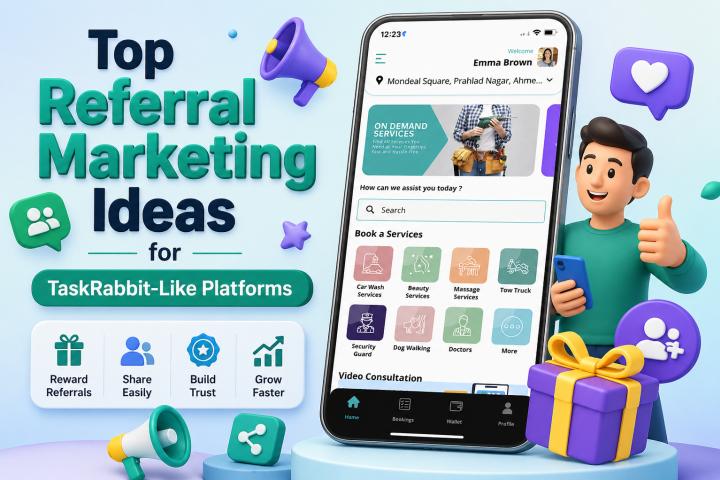
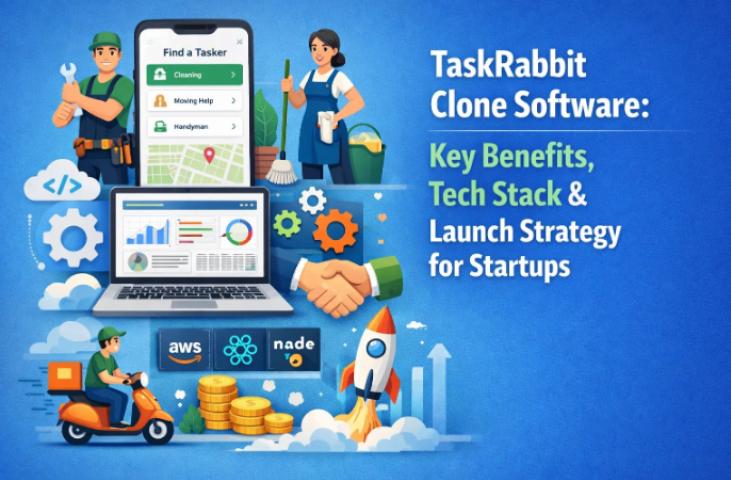
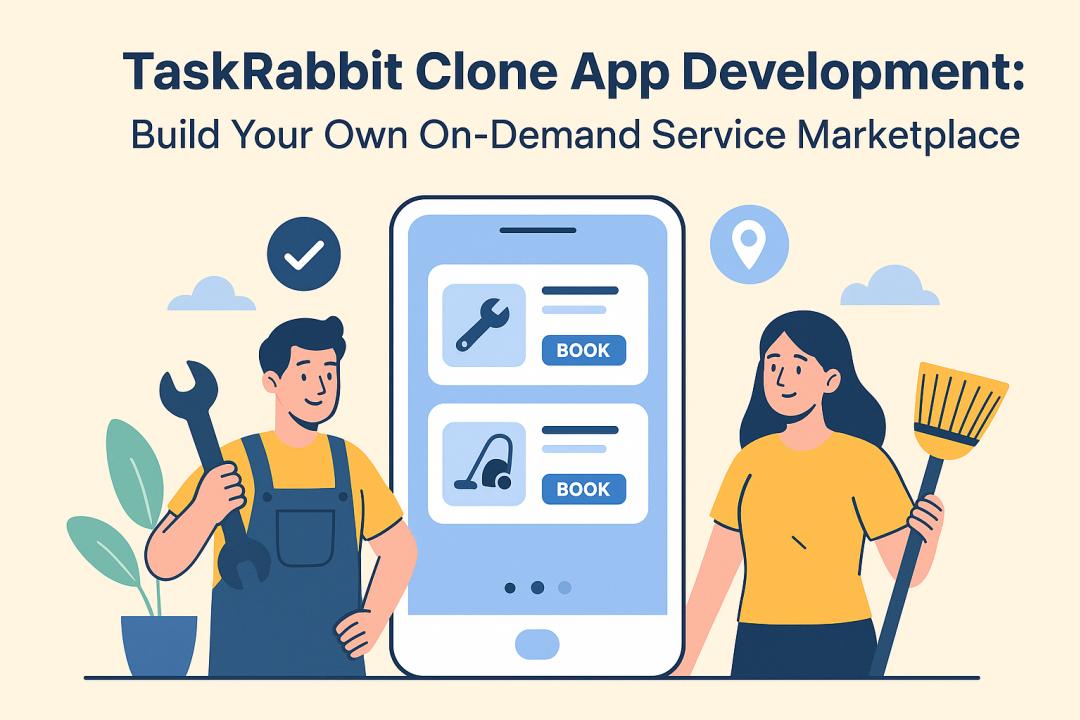
A taskrabbit clone is a ready-made or customizable solution that allows businesses to build their own on-demand service marketplace similar to TaskRabbit. The concept connects users who need services with skilled professionals who can complete those tasks. These can include house cleaning, handyman work, furniture assembly, moving assistance, and more.
Instead of developing from scratch, businesses can leverage a clone app to save time, reduce costs, and launch faster. A well-developed taskrabbit clone is scalable, user-friendly, and adaptable to different markets and service categories.
Why Build an On-Demand Service Marketplace?
The on-demand economy continues to expand, and customers now expect instant, efficient solutions. Building an on-demand service marketplace offers multiple advantages:
-
High Demand Across Industries: From household tasks to pet care, there’s always a growing need for quick and reliable services.
-
Revenue Opportunities: Platforms can generate income through service fees, subscriptions, or advertisements.
-
Scalability: A taskrabbit clone can start with a niche market and expand into multiple categories as demand increases.
-
Convenience for Users: Customers enjoy an easy way to book and pay for services directly from their smartphones.
Key Features of a TaskRabbit Clone App
The success of your platform depends on how well it serves both service providers and customers. Here are the essential features that every taskrabbit clone should include:
For Customers
-
User Registration & Profiles: Easy sign-up via email, social media, or phone number.
-
Service Categories: Clear listing of services for quick navigation.
-
Booking & Scheduling: Option to book services instantly or schedule for later.
-
In-App Payments: Secure and seamless payment gateway integration.
-
Real-Time Tracking: Updates about service provider location and job status.
-
Ratings & Reviews: Feedback system to ensure service quality.
For Service Providers
-
Profile Management: Showcase skills, experience, and availability.
-
Job Alerts: Notifications about new service requests.
-
Earnings Dashboard: Transparent view of payments and completed jobs.
-
Scheduling Tools: Manage working hours and availability.
-
In-App Chat: Communicate directly with customers.
For Admins
-
User Management: Monitor customer and service provider accounts.
-
Service Management: Add, update, or remove service categories.
-
Analytics Dashboard: Insights into performance, revenue, and usage trends.
-
Payment & Commission Control: Manage transactions and commissions.
-
Customer Support: Tools for handling queries and disputes.
Steps to Build Your TaskRabbit Clone App
Building an on-demand service marketplace involves careful planning and execution. Here’s an outline of the app development process:
1. Market Research and Business Model Selection
Identify your target market, analyze competitors, and define your unique selling point. Decide how your platform will generate revenue—through commissions, service fees, or subscription models.
2. Choosing the Right Mobile App Development Company
Partnering with an experienced mobile app development company ensures your app is built with the latest technologies and best practices. Companies like Suffescom specialize in building clone apps and custom marketplace solutions, making them a strong choice for entrepreneurs.
3. Designing the User Experience
The app should have a clean, intuitive interface for both customers and service providers. Investing in user experience design will help increase adoption and satisfaction.
4. Development Phase
This involves coding the core features, integrating APIs, and ensuring the app works seamlessly across devices. A taskrabbit clone can be built using ready-made scripts for faster delivery or custom-coded for unique functionality.
5. Testing and Quality Assurance
Extensive testing is necessary to eliminate bugs and ensure smooth functionality. This step includes performance testing, usability testing, and security checks.
6. Launch and Marketing
Once tested, the app is launched on major platforms like iOS and Android. Marketing campaigns should be planned to attract both service providers and customers.
7. Continuous Updates and Support
Post-launch, regular updates and technical support are essential to keep the platform secure and competitive.
Cost of Developing a TaskRabbit Clone
The cost of developing a taskrabbit clone can vary widely depending on:
-
Features and Customization: Basic apps cost less, while advanced features like AI recommendations or IoT integrations increase expenses.
-
Platform Choice: Developing for both Android and iOS will require a higher budget than focusing on a single platform.
-
Design Complexity: A more sophisticated design increases costs but enhances user experience.
-
Development Partner: Choosing a mobile app development company like Suffescom with expertise in clone app development may involve higher upfront investment but ensures long-term reliability.
On average, the development cost can range from $20,000 to $80,000 or more, depending on requirements.
Why Choose Suffescom for TaskRabbit Clone App Development?
Suffescom is a trusted name in mobile app development with years of experience in building on-demand service platforms. Their expertise includes:
-
Customizable clone app solutions tailored to client needs.
-
Skilled teams in UI/UX, backend, and frontend development.
-
Robust security protocols to protect user data and transactions.
-
24/7 technical support and maintenance services.
-
Proven track record in delivering scalable on-demand apps.
By partnering with Suffescom, businesses can ensure their taskrabbit clone is developed efficiently and launched successfully.
Conclusion
The rise of the on-demand economy has opened significant opportunities for entrepreneurs to build service marketplaces. A taskrabbit clone offers a practical and cost-effective way to launch such a platform. With essential features for customers, service providers, and admins, as well as a streamlined development process, businesses can create a platform that thrives in today’s competitive digital world. Partnering with a reliable mobile app development company like Suffescom ensures your app is not only well-built but also future-ready.
Frequently Asked Questions (FAQs)
Q1. What is a taskrabbit clone?
A taskrabbit clone is a ready-made or customized app solution that helps entrepreneurs create an on-demand service marketplace similar to TaskRabbit.
Q2. How long does it take to develop a taskrabbit clone app?
Development timelines vary but typically range from 3 to 6 months depending on features, design, and customization requirements.
Q3. How much does it cost to develop a taskrabbit clone?
The cost can range between $8,000 and $30,000 or more, depending on complexity, features, and the mobile app development company you choose.
Q4. Can I customize the taskrabbit clone to suit my niche market?
Yes, a taskrabbit clone can be tailored to meet niche market requirements by adding specific service categories, features, or branding.
Q5. Why should I choose Suffescom for development?
Suffescom has expertise in on-demand app development and offers customizable clone app solutions, ensuring a reliable and scalable product for your business.