
Introduction: Why Basement Construction Matters in 2025
A basement adds more than extra space to a home. It creates a place for storage, living, or safety during natural disasters. Families use basements for hobbies, entertainment, or guest rooms. Many also see them as long-term investments because they improve property value.
Homeowners in 2025 want safe, modern, and sustainable options. Rising land prices push families to use underground space better. This guide covers basement construction, basement construction cost, design ideas, and safety tips. It also explains how to use eco-friendly basement construction methods.
Understanding Basement Construction Basics
What Is Basement Construction?
Basement construction is the process of creating usable rooms below ground. The three main types are full basements, partial basements, and walkout basements. A full basement runs under the entire house. A partial basement covers only part of the foundation. A walkout basement opens to the outside through doors or windows.
Each type suits different land conditions. A house on a slope often uses a walkout basement. Flat land supports a full or partial basement. Builders choose the design based on soil strength, drainage needs, and family goals.
Common Basement Construction Materials
Basement construction materials decide how long a basement lasts. Concrete is the most common because it is strong and durable. Stone and bricks are used for walls and finishing. Reinforced steel supports the structure and prevents cracks.
Choosing quality materials reduces future repair costs. Poor materials lead to leaks, weak walls, or poor air quality. Sustainable options such as recycled concrete and green insulation are gaining popularity. Builders also use sealants and coatings to protect walls from water.
Also Read : How to Construct a Raft Foundation for Basement
Basement Construction Cost: Breaking Down the Investment
Average Cost Range in 2025
The basement construction cost in 2025 depends on size, design, and finish. Costs range from basic unfinished basements to high-end living spaces. In urban areas, prices are higher due to labor and permits. Smaller towns often have lower rates.
On average, a basic basement adds several lakhs to the cost of a home. A fully furnished basement is much more expensive. Homeowners must plan budgets early and set clear expectations with builders.
Factors Affecting Basement Construction Cost
Several factors influence the final price:
Soil type decides excavation difficulty.
Drainage and waterproofing add to the budget.
Labor and building permits change by region.
Basement construction materials affect both strength and cost.
Design choices like flooring, lighting, and insulation increase expenses.
Families who want sustainable or smart technology options spend more. Those who pick basic finishes save money but reduce comfort.
Cost-Saving Tips Without Compromising Quality
A planned approach lowers expenses. Homeowners should:
Use simple designs to reduce material waste.
Choose eco-friendly basement construction for lower energy bills.
Source local materials to cut transport costs.
Work with trusted contractors to avoid errors and delays.
Small steps like adding natural lighting or energy-efficient systems also save long-term money. Balancing cost with quality ensures safety and durability.
Also Read : Basement Foundation Repair
Basement Design Ideas for Modern Homes
Functional Basement Spaces
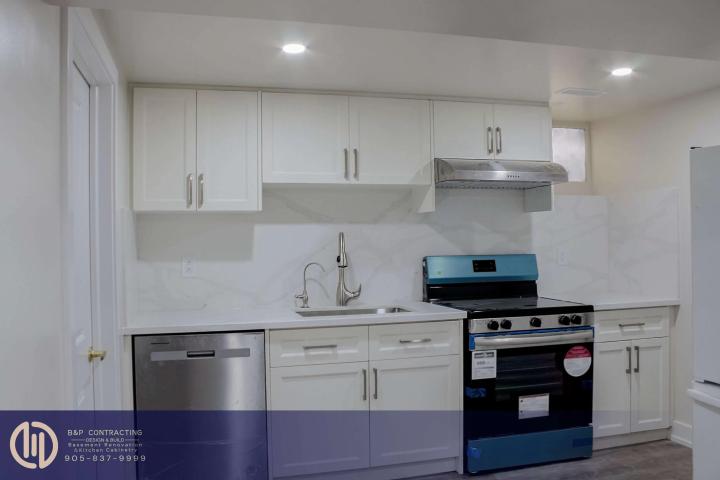
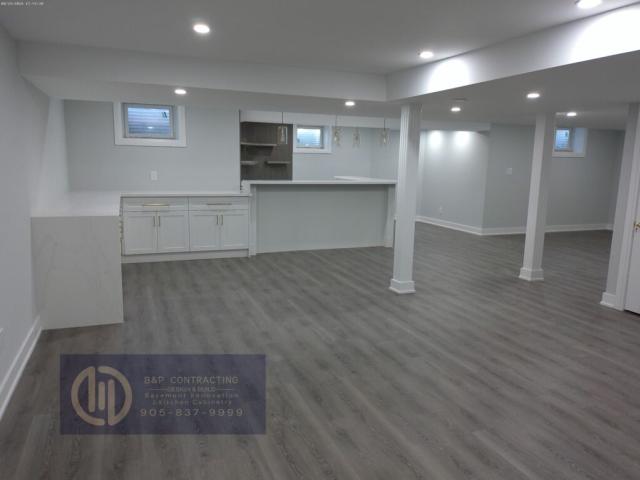
Basements today serve many purposes. Families design gyms, offices, or guest bedrooms. Some create entertainment rooms with home theatres and gaming areas. Others add storage or utility rooms for better organization.
These basement design ideas improve life>
Aesthetic Considerations
A basement should feel inviting. Bright lighting reduces the closed-in feeling. Flooring such as wood or vinyl creates warmth and comfort. Wall finishes add character and reflect personal >
Ventilation ensures fresh air and reduces dampness. Natural light from windows or glass doors makes the space feel larger. Homeowners who focus on design enjoy a cozy and stylish basement.
Eco-Friendly Basement Construction
Eco-friendly basement construction uses designs that support sustainability. Insulation materials reduce heat loss and cut energy bills. Natural airflow lowers moisture and improves air quality.
Families add energy-efficient lighting, HVAC systems, and smart controls. Green designs are healthy, cost-effective, and future-ready. Builders recommend eco-friendly features for long-term savings and environmental benefits.
Basement Construction Safety Tips
Structural Safety
A safe basement depends on strong foundations and walls. Engineers test soil before construction. Load-bearing walls must be built with care. Poor planning leads to cracks and long-term damage.
Basement construction safety tips stress the importance of structural checks. Following local building codes is vital. Regular inspections during construction prevent hidden risks.
Waterproofing & Moisture Control
Basements often face dampness or leaks. Water from soil or rain affects walls and floors. Drainage systems protect against flooding. Sump pumps and vapor barriers are essential.
Moisture control improves health and comfort. A dry basement reduces mold, bad odors, and allergies. Waterproofing is a long-term investment in safety.
Fire & Emergency Safety
Every basement must prepare for fire and emergencies. Using fire-resistant basement construction materials reduces risks. Exit points like egress windows or doors are required.
Smoke detectors and fire extinguishers improve safety. Emergency plans help families act quickly. Safety features protect both people and property.
How to Design a Safe Basement
Planning With Safety in Mind
How to design a safe basement starts with proper planning. Licensed engineers and architects follow building codes. Permits ensure work meets safety standards. Planning reduces errors and future repairs.
Families must think about ventilation, lighting, and exits before construction begins. Safety should guide design from the first day.
Smart Technology in Safety
Modern technology supports safe basements. Humidity sensors warn about leaks or dampness. Smart ventilation systems improve airflow. Automated lighting adds convenience and security.
Smart devices connect to phones and alert families about risks. Investing in these systems creates peace of mind.
Family-Friendly Basement Design
Basements must be safe for all age groups. Child-proof locks and railings protect children. Wide entries and ramps support elderly movement. Non-slip flooring prevents accidents.
Designing a family-friendly space ensures comfort for everyone. A safe basement increases trust and long-term usability.
Mistakes to Avoid in Basement Construction
Many homeowners make errors during construction. Common mistakes include:
Skipping soil testing before digging.
Ignoring waterproofing and drainage.
Using poor-quality materials.
Failing to plan ventilation and natural light.
These mistakes reduce safety and raise repair costs. Asking experts for advice prevents major issues. Families who avoid these errors build stronger and healthier basements.
Conclusion: Building a Basement That Lasts
Strong planning, smart design, and proper safety steps create lasting basements. Every project begins with studying basement construction cost and selecting the right basement construction materials. Families who follow basement construction safety tips avoid problems later.
Using eco-friendly basement construction methods improves sustainability. Following guides on how to design a safe basement creates secure living spaces. A well-designed basement raises home value and improves life>