India’s financial ecosystem has undergone a rapid digital shift in recent years, with the goal of creating a cashless economy and empowering every citizen with access to banking facilities. One of the most important innovations supporting this mission is AEPS API Integration, which allows rural citizens to carry out basic banking transactions using only their Aadhaar number and fingerprint authentication. For millions of people in villages where traditional banks are far away, AEPS has become a lifeline, making financial inclusion a reality rather than just an idea.
Understanding AEPS and Its Importance
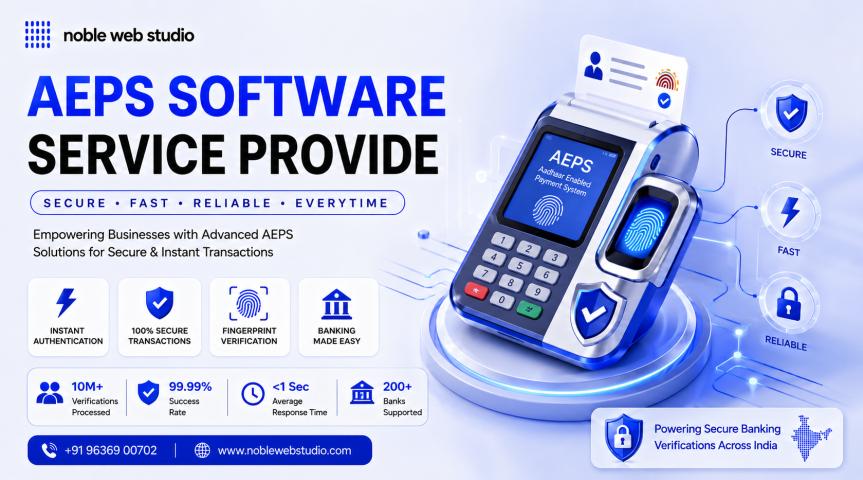
AEPS stands for Aadhaar Enabled Payment System. It is a secure, government-backed framework that enables people to withdraw money, check balances, deposit cash, and transfer funds directly through micro-ATMs or local service providers. By linking a bank account with Aadhaar, users do not need debit cards, credit cards, or even smartphones to carry out transactions.
The strength of AEPS lies in its ability to simplify banking for rural citizens who might not be literate in digital tools. Instead of filling forms or navigating apps, they can authenticate their identity through fingerprints. This ease of access has made AEPS one of the fastest-growing digital payment channels in India.
The Role of AEPS API in Expanding Services
While AEPS itself is the framework, it is the API (Application Programming Interface) that connects banking systems, service providers, and retailers together. APIs allow smooth data transfer between banks and local business correspondents, ensuring that transactions are processed securely and instantly.
Some major roles of AEPS API include:
-
Seamless Connectivity: Linking banks with local agents or micro-ATM operators for quick transactions.
-
Secure Authentication: Verifying identity through Aadhaar-linked biometrics without needing cards or PINs.
-
Real-Time Processing: Reducing delays and ensuring instant money access.
-
Scalability: Helping businesses and entrepreneurs serve thousands of customers through a single API integration.
How AEPS API Expands Rural Banking Access
-
Bringing Banking to the Doorstep
AEPS allows people in villages to access banking services at nearby shops or kiosks. Instead of traveling long distances to bank branches, they can withdraw or deposit money within their community. -
Empowering Retailers and Agents
Shopkeepers, Common Service Centers (CSCs), and local entrepreneurs become mini-banking points. With AEPS API, they can offer cash withdrawal, balance check, and remittance services, earning commissions while serving society. -
Financial Inclusion for the Unbanked
Many people in rural India either do not have bank accounts or rarely use them due to distance or lack of awareness. AEPS, supported by API solutions, makes it easier for them to engage with formal banking channels. -
Reducing Dependence on Cash
AEPS promotes digital banking practices in areas where cash dominates. With instant authentication, villagers feel confident about using digital services. -
Safety and Transparency
Transactions carried out through AEPS API are recorded and verified instantly, reducing risks of fraud or unauthorized access. This builds trust in financial systems.
Benefits of AEPS API for Businesses and Service Providers
AEPS API is not just important for customers it is also valuable for fintech companies, retailers, and small businesses.
-
Revenue Generation: Each transaction generates a commission for agents, encouraging more entrepreneurs to join the system.
-
Expansion Opportunities: Service providers can expand into new rural markets where traditional banks have limited presence.
-
Low Infrastructure Requirement: Agents only need a biometric device, internet connection, and AEPS-enabled software to get started.
-
Customer Loyalty: By offering reliable banking services, local businesses can build stronger customer relationships.
Challenges in Rural Banking and the Role of AEPS API
Despite its success, rural banking still faces certain hurdles. Connectivity issues, lack of digital awareness, and fear of fraud remain concerns. AEPS API plays a key role in solving these problems by offering:
-
Offline or Low-Bandwidth Functionality: Many APIs are designed to work smoothly even in low-network regions.
-
Biometric Security: Fingerprint-based authentication minimizes fraud and ensures genuine transactions.
-
Training Support for Agents: Service providers often train retailers to use AEPS, spreading digital awareness.
The Future of AEPS API in Rural India
As India moves deeper into digital transformation, AEPS API will become even more important. Future developments may include:
-
Integration with UPI and BBPS: Creating a unified system for all banking and bill payment needs.
-
Expansion into Insurance and Loans: AEPS-enabled kiosks could help villagers access credit and insurance policies.
-
AI-Powered Fraud Detection: Strengthening security by monitoring unusual transaction patterns.
-
Wider Reach Through Fintech Partnerships: Collaborations with fintech startups will ensure AEPS services reach every corner of rural India.
Conclusion
AEPS has proven to be a game-changer in India’s mission to achieve complete financial inclusion. By enabling simple, Aadhaar-based transactions, it has bridged the gap between banks and rural citizens. The role of APIs in this system is critical—they ensure smooth, secure, and scalable banking services for millions of users. As technology continues to evolve, the contribution of AEPS API Provider companies will grow even stronger, empowering small retailers, expanding access to financial services, and making India’s vision of a cashless, inclusive economy a reality.