
The software industry has undergone massive transformations in the past two decades. What was once dominated by proprietary systems has now shifted towards collaborative, community-driven solutions. Today, open source development has become the backbone of modern software innovation, influencing everything from enterprise solutions to consumer applications. With top open source development companies leading the way, businesses and developers alike are recognizing the long-term benefits of embracing this model.
This article explores why open source development is shaping the future of software innovation, the advantages it offers, and how companies worldwide are leveraging it to deliver scalable, secure, and cost-effective solutions.
Understanding Open Source Development
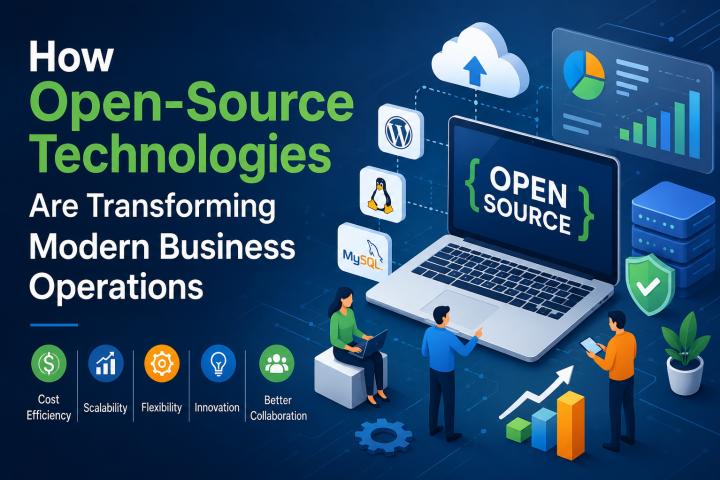
Open source development refers to the creation of software whose source code is freely available for anyone to view, use, modify, and distribute. Unlike proprietary software, where access is restricted, open source promotes transparency and collaboration. Projects like Linux, Apache, MySQL, and Kubernetes are prime examples of how open source has revolutionized industries ranging from operating systems to cloud computing.
The strength of open source lies in its community. Developers, companies, and independent contributors from across the globe work together to improve code quality, introduce new features, and fix vulnerabilities. This collaborative approach fosters rapid innovation and creates robust software ecosystems that evolve continuously.
Why Open Source Development is Driving the Future
1. Cost Efficiency
One of the biggest drivers behind open source adoption is its cost advantage. Businesses do not have to pay hefty licensing fees to use open source software, making it accessible for startups, SMEs, and enterprises alike. Instead, organizations can allocate resources towards customization, integration, and support. This affordability accelerates innovation while reducing overhead costs.
2. Rapid Innovation and Agility
Proprietary software often follows a rigid release cycle, whereas open source projects evolve quickly due to community contributions. This agility makes open source ideal for industries where technology changes rapidly, such as cloud computing, artificial intelligence, and blockchain. The ability to experiment, test, and deploy solutions faster gives businesses a competitive edge.
3. Transparency and Security
With proprietary systems, security issues are often hidden until a patch is released. Open source, on the other hand, allows anyone to audit the code. This transparency leads to faster detection and resolution of vulnerabilities. While no software is immune to risks, the collective scrutiny of open source communities ensures stronger and more secure products.
4. Scalability and Flexibility
Organizations worldwide are looking for scalable solutions that adapt to their changing needs. Open source platforms allow businesses to customize software according to their requirements, making them highly flexible. From cloud-native solutions like Kubernetes to content management systems like WordPress and Drupal, open source enables organizations to scale efficiently without vendor lock-in.
5. Community Support and Collaboration
Behind every successful open source project lies a community of passionate developers. Unlike traditional vendor-based support, open source communities are vast and active, offering forums, documentation, and real-time collaboration. This collective knowledge base helps companies troubleshoot problems faster and adopt best practices seamlessly.
Key Trends Accelerating Open Source Adoption
Several trends are pushing open source to the forefront of modern software development:
- Cloud-Native Development: Tools like Kubernetes and Docker have become standard in cloud environments, and both are open source.
- Artificial Intelligence and Machine Learning: Frameworks such as TensorFlow and PyTorch empower developers to build advanced AI solutions without proprietary barriers.
- Cybersecurity: Open source security tools like Snort and OSSEC are widely used for intrusion detection and monitoring.
- Blockchain Technology: Most blockchain platforms, including Ethereum and Hyperledger, are open source, ensuring transparency and decentralization.
These trends highlight that open source is not just a movement but a necessity for staying relevant in the digital era.
Role of Top Open Source Development Companies
While open source projects rely on community collaboration, top open source development companies play a crucial role in accelerating adoption. These companies contribute significantly to open source projects, provide enterprise-level support, and develop customized solutions tailored to client needs.
They bridge the gap between open source communities and businesses by offering:
- Customization and Integration: Adapting open source solutions to meet unique business requirements.
- Support and Maintenance: Offering technical support and regular updates for long-term stability.
- Consulting Services: Helping organizations choose the right open source technologies for their digital transformation journey.
- Enterprise-Grade Solutions: Ensuring that open source projects can meet large-scale demands.
By relying on these companies, businesses gain access to innovation without compromising on reliability or performance.
Examples of Innovation Driven by Open Source
- Linux in Enterprise Infrastructure Linux has become the standard operating system for servers and cloud environments. Its flexibility and scalability have made it the foundation of enterprise IT infrastructure.
- Kubernetes in Cloud Computing
Developed by Google and now maintained by the Cloud Native Computing Foundation, Kubernetes has redefined container orchestration, allowing businesses to scale applications seamlessly. - WordPress in Web Development
WordPress powers more than 40% of websites globally. Its open source model allows businesses to build scalable websites with thousands of plugins and themes developed by a global community. - Apache Hadoop in Big Data
Hadoop enables organizations to manage and analyze massive data sets efficiently. It has become the backbone of many enterprise big data solutions.
These case studies demonstrate that open source is not limited to small-scale projects but powers some of the most mission-critical systems worldwide.
Challenges in Open Source Development
While open source offers immense benefits, it is not without challenges. Organizations must be mindful of:
- Licensing Issues: Different open source licenses have varying terms of use. Businesses must ensure compliance.
- Quality Control: Not all open source projects maintain consistent quality, making due diligence essential.
- Security Risks: Although transparency enhances security, reliance on outdated or poorly maintained projects can expose vulnerabilities.
Despite these challenges, the advantages of open source far outweigh the risks when managed correctly.
The Future of Open Source Development
Looking ahead, open source will continue to dominate the software industry. Enterprises are already integrating open source into their digital transformation strategies. Governments and educational institutions are encouraging open source adoption to promote innovation and reduce costs.
As top open source development companies continue to support and enhance these projects, businesses will gain access to cutting-edge technologies without the constraints of proprietary models. The combination of community collaboration, transparency, and enterprise support ensures that open source development will remain at the heart of future software innovation.
Conclusion
The shift towards open source development is not just a trend—it is a long-term transformation of the software landscape. From cost efficiency and scalability to transparency and rapid innovation, open source offers unparalleled advantages. With the support of top open source development companies, organizations across industries can harness the power of collaborative technology to build secure, scalable, and future-ready solutions.
Open source is more than software—it is the foundation of a global movement driving innovation, inclusivity, and progress. As technology continues to evolve, one thing is certain: open source development is the future of software innovation.