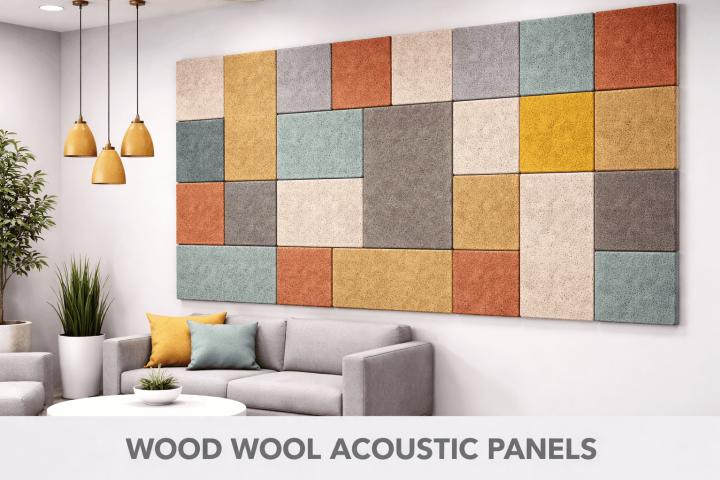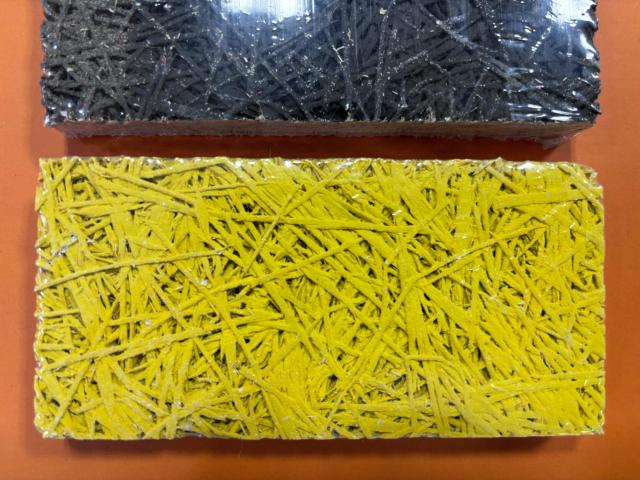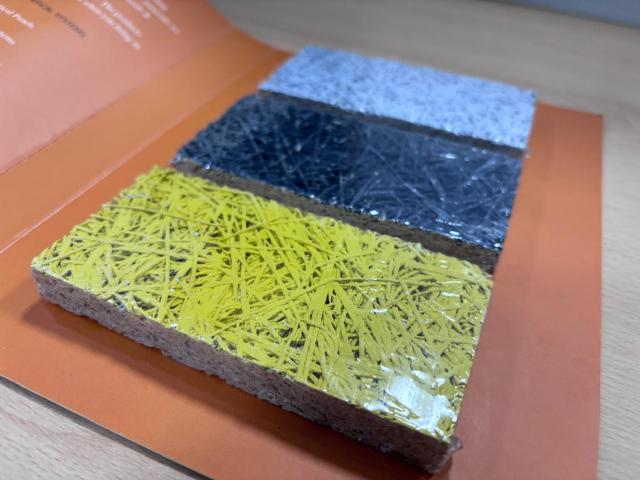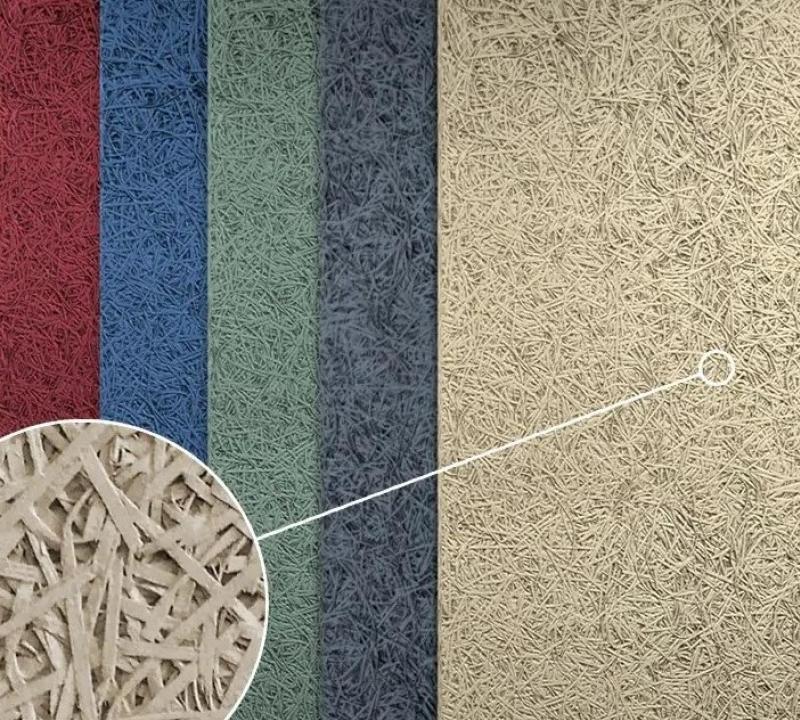

In today's competitive business environment, corporate design decisions directly influence employee performance and satisfaction. While many companies focus on furniture and layout, the ceiling often remains an afterthought. Yet this overlooked surface holds tremendous potential for transforming workplace dynamics. Among various overhead solutions, wood wool ceiling systems create a distinctive atmosphere that balances natural aesthetics with practical functionality.
Creating Visual Warmth in Sterile Environments
The most immediate impact of a wood wool ceiling is visual. Unlike conventional acoustic ceiling panels that often appear flat and institutional, wood wool brings organic texture and warmth to corporate settings. The material's natural fibrous composition and earthy tones create visual interest that synthetic alternatives cannot replicate.
This approach aligns with biophilic design principles, which seek to connect indoor environments with nature. Employees consistently report higher satisfaction in spaces featuring natural materials. This helps in making wood wool an intelligent choice for forward-thinking companies.
The Science Behind Sound Management
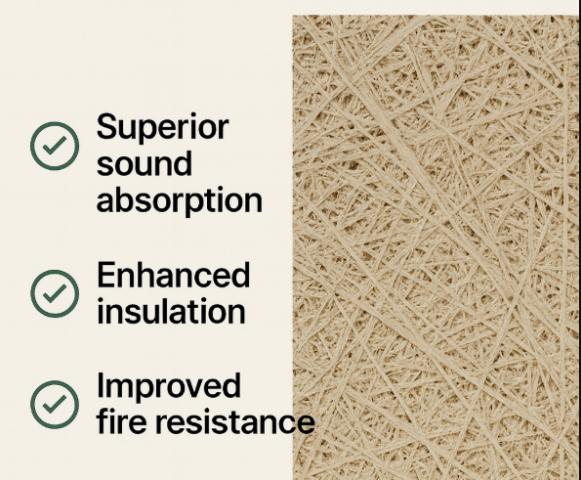
From a functional perspective, wood wool ceiling systems deliver exceptional acoustic performance. The material's dense, porous structure effectively absorbs sound waves across a broad frequency range. This proves particularly valuable in open-plan offices where conversational noise and equipment sounds create constant distractions.
Unlike an acoustic spray ceiling, which provides inconsistent absorption, wood wool offers predictable noise reduction properties. The result is a calmer auditory environment that enhances concentration and reduces the cognitive load associated with background noise.
Comparative Analysis: Wood Wool Versus Alternatives
When evaluated against other ceiling solutions, wood wool's advantages become clear:
Alternative | Strengths | Limitations Compared to Wood Wool |
PET Panel Ceiling | Good sound absorption, lightweight, modern aesthetic | Lacks the natural look and eco-friendliness of wood wool |
Acoustic Baffle Ceiling | Effective sound absorption, visually striking in some setups | Can appear visually cluttered; less seamless than wood wool panels |
Fiberglass Suspended Ceiling Tiles | Common and affordable acoustic option | Less durable, poor moisture resistance compared to wood wool |
Acoustic Spray Ceiling | Covers large areas quickly, absorbs sound | Lacks the structure, durability, and design flexibility of wood wool |
Sustainability and Long-term Value
The environmental credentials of wood wool ceiling systems deserve particular attention. Composed of wood fibers and cement, these panels represent a sustainable choice compared to petroleum-based alternatives. They're naturally fire-resistant and contain no volatile organic compounds, contributing to healthier indoor air quality.
From a maintenance perspective, wood wool outperforms many synthetic options. Unlike fiberglass suspended ceiling tiles that can sag or discolor over time, wood wool maintains its structural integrity and appearance for decades.
Implementation Strategies for Modern Offices
Successful integration of wood wool ceiling systems requires thoughtful planning. This is how it should be done:Fuse
Form with Function: Use wood wool panels not just as sound solutions but as architectural features that add organic texture and warmth to open-plan offices.
Play with Light, Not Just Sound: Pair panels with built-in LED lighting. The rough, fibrous surface of wood wool creates beautiful shadow play under soft, layered illumination.
Design for Dual Zones: In open offices, blend wood wool ceilings with acoustic baffles over collaborative zones to tame high noise levels without sacrificing visual flow.
Think in Systems, Not Pieces: Treat ceilings as integrated systems. Use panels to hide wiring, support lighting, and guide sound—all while maintaining a minimal, natural aesthetic.
Prototype Before You Roll Out: Test in a single meeting room or huddle space. Measure impact on acoustics and team focus before applying at scale.
Decoding the Shift
The resurgence of wood wool ceiling installations in corporate settings reflects a broader shift toward human-centered design. Companies are recognizing that employee well-being directly impacts productivity and retention. By reducing noise pollution and introducing natural elements, wood wool ceilings create environments where people can perform at their best.
As one facilities manager noted, "Since installing wood wool ceilings, we've seen a measurable decrease in noise complaints and an increase in workspace satisfaction scores."
The unique combination of aesthetic warmth, acoustic performance, and environmental responsibility makes wood wool ceiling systems a compelling choice for modern corporate interiors. As companies continue to rethink workplace design, this natural solution offers a powerful way to enhance both practical functionality and human experience.