
In today’s digital era, web development stands at the core of how we interact with information, businesses, and technology. Every website, web application, or online platform we use daily — from social media to e-commerce — is the result of web development. It combines creativity, logic, and technology to design and build functional, visually appealing, and user-friendly online experiences. As businesses, individuals, and organizations increasingly rely on digital presence, understanding web development has become essential for both professionals and enthusiasts who wish to shape the internet of tomorrow.
What Is Web Development?
Web development is the process of creating, building, and maintaining websites and web applications that run online on a browser. It involves everything from coding and server management to designing user interfaces and optimizing user experiences. The goal of web development is not only to make websites functional but also to ensure they are accessible, efficient, and engaging.The discipline of web development is divided into three main categories: front-end development, back-end development, and full-stack development. Each plays a crucial role in how a website looks, performs, and interacts with users. Front-end developers focus on what users see and interact with, while back-end developers handle the behind-the-scenes processes that power the website. Full-stack developers, on the other hand, work across both ends, building complete web solutions from the server to the browser.
The Importance of Web Development in the Modern World
In a technology-driven world, a company’s website often serves as the first point of contact with potential customers. Web development plays a central role in building credibility, improving user experience, and increasing digital reach. A well-developed website allows businesses to showcase their products or services effectively, establish brand identity, and provide valuable information to customers. Moreover, as e-commerce continues to rise, web development has become essential for online retail success. Modern tools and platforms, such as 2579xao6 new software name, help developers create faster, more secure, and highly responsive websites. Websites must be optimized for performance, mobile devices, and user engagement to compete effectively in the digital marketplace. Beyond commerce, web development supports education, communication, entertainment, and countless other aspects of daily life. In short, web development is not just about coding — it’s about connecting people, ideas, and opportunities in the digital realm.
Front-End Development: The User’s Window to the Web
The front-end of a website is what users see and interact with directly. It encompasses everything from the layout and design to navigation and responsiveness. Front-end development blends HTML (HyperText Markup Language), CSS (Cascading Style Sheets), and JavaScript to create visually engaging and interactive experiences.
HTML defines the structure of web pages, ensuring that content such as headings, paragraphs, and images are properly formatted. CSS controls the appearance of these elements — colors, fonts, spacing, and layout — giving each website a unique look and feel. JavaScript adds interactivity and dynamic behavior, enabling animations, form validation, and real-time updates without reloading the page.
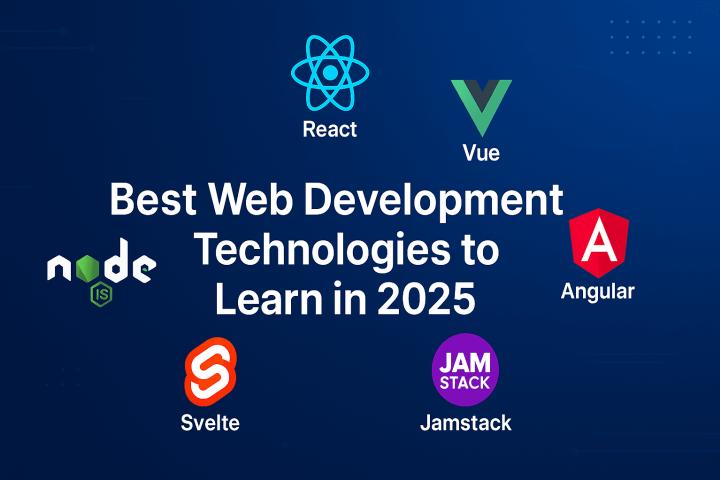
Modern front-end development also involves frameworks and libraries like React, Angular, and Vue.js, which simplify and accelerate the process of building complex user interfaces. The focus is on responsive design, ensuring websites function seamlessly on desktops, tablets, and mobile devices alike.
Back-End Development: Powering the Web Behind the Scenes
While the front-end is user-facing, the back-end is the engine that keeps everything running smoothly. It consists of the server, application, and database layers all of which work together to process data and deliver it to the front-end. Back-end developers use programming languages such as Python, PHP, Ruby, Java, and Node.js to build the logic that supports web functionality. They also manage databases using systems like MySQL, MongoDB, or PostgreSQL to store and retrieve information efficiently. For example, when a user logs into a website or makes a purchase online, the back-end ensures that their credentials are verified, the database is updated, and the front-end displays the correct response. Scalability, security, and performance are top priorities in back-end development since these determine how well a website can handle growing traffic and sensitive data.
Full-Stack Development: The Complete Approach
A full-stack developer has expertise in both front-end and back-end development. This allows them to build complete web solutions from scratch, integrating user interfaces with server-side logic and databases. Full-stack development has become increasingly valuable in startups and small businesses where versatility and efficiency are crucial. Full-stack developers often use frameworks like MEAN (MongoDB, Express, Angular, Node.js) or MERN (MongoDB, Express, React, Node.js) stacks, which streamline the development process. Their understanding of both sides of the web allows them to create cohesive and optimized digital experiences, bridging the gap between design and functionality.
The Role of User Experience (UX) and User Interface (UI) Design
Modern web development goes beyond writing code. It also emphasizes UI (User Interface) and UX (User Experience) design, which ensure that websites are not only functional but also intuitive and enjoyable to use.UI design focuses on the visual elements — buttons, menus, icons, and layouts — while UX design deals with the user journey and interaction flow. A website with excellent UX guides users effortlessly from one step to another, ensuring they can find what they need without confusion or frustration.Web developers often collaborate closely with designers to create sites that balance aesthetics and usability. Together, they make sure that the final product aligns with brand goals while offering a seamless experience across all devices and browsers.
The Rise of Mobile-First and Responsive Design
With smartphones now dominating internet traffic, mobile-first design has become a fundamental principle in web development. This approach prioritizes mobile user experience during the design phase, ensuring that websites load quickly, fit smaller screens perfectly, and remain fully functional on touch interfaces. Responsive design, powered by CSS techniques like media queries, ensures that a single website adapts automatically to different screen sizes — whether it’s a phone, tablet, or desktop monitor. This not only enhances usability but also improves SEO rankings, as search engines like Google prioritize mobile-friendly websites. As a result, developers and designers must constantly test and optimize sites to deliver consistent performance and visual appeal across multiple platforms.
Web Development Tools and Technologies
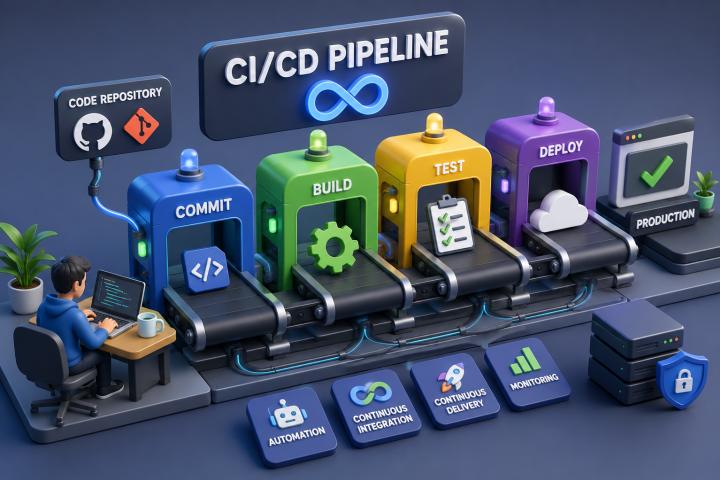
The evolution of web development has been driven by powerful tools and frameworks that simplify complex processes. Code editors like Visual Studio Code, version control systems like Git, and hosting platforms such as GitHub have become essential in modern workflows.
Frameworks like Bootstrap streamline responsive design, while CMS platforms such as WordPress and Joomla allow users to manage content without deep technical expertise. On the back-end, frameworks like Django, Laravel, and Express help developers build robust, scalable applications efficiently. Cloud technologies have also transformed web development by providing hosting, storage, and computational power on demand. This has made it easier to deploy and scale applications globally, reaching millions of users effortlessly.
The Future of Web Development
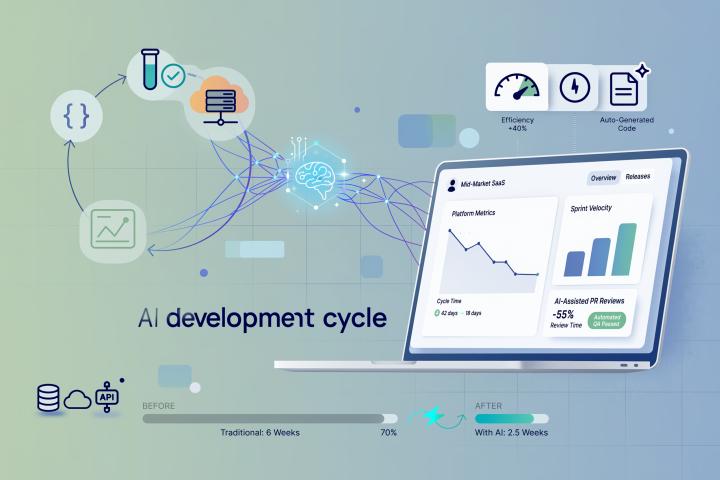
The future of web development is being shaped by innovation in artificial intelligence (AI), machine learning, and automation. AI-powered tools are enabling developers to generate code, optimize layouts, and analyze user behavior automatically. Progressive Web Apps (PWAs) are blurring the line between websites and mobile apps, offering fast, offline-capable, and app-like experiences directly from browsers. Moreover, Web3 technologies and blockchain integration are ushering in a new era of decentralized web development. Websites of the future will be more secure, private, and user-controlled, reducing reliance on centralized platforms. As 5G connectivity expands and devices become more interconnected through the Internet of Things (IoT), web developers will play a key role in shaping the digital ecosystem of the future from smart homes to virtual reality environments.
Conclusion
Web development is far more than just coding websites; it is about designing and building the digital experiences that define modern life. From simple blogs to complex web applications, the work of web developers powers the global internet economy. As technology evolves, so too will the field of web development Ai search optimatization demanding continuous learning, creativity, and adaptability. Whether it’s mastering front-end aesthetics, back-end functionality, or full-stack innovation, web developers are the architects of the digital age, shaping how billions of people interact with the world every day.