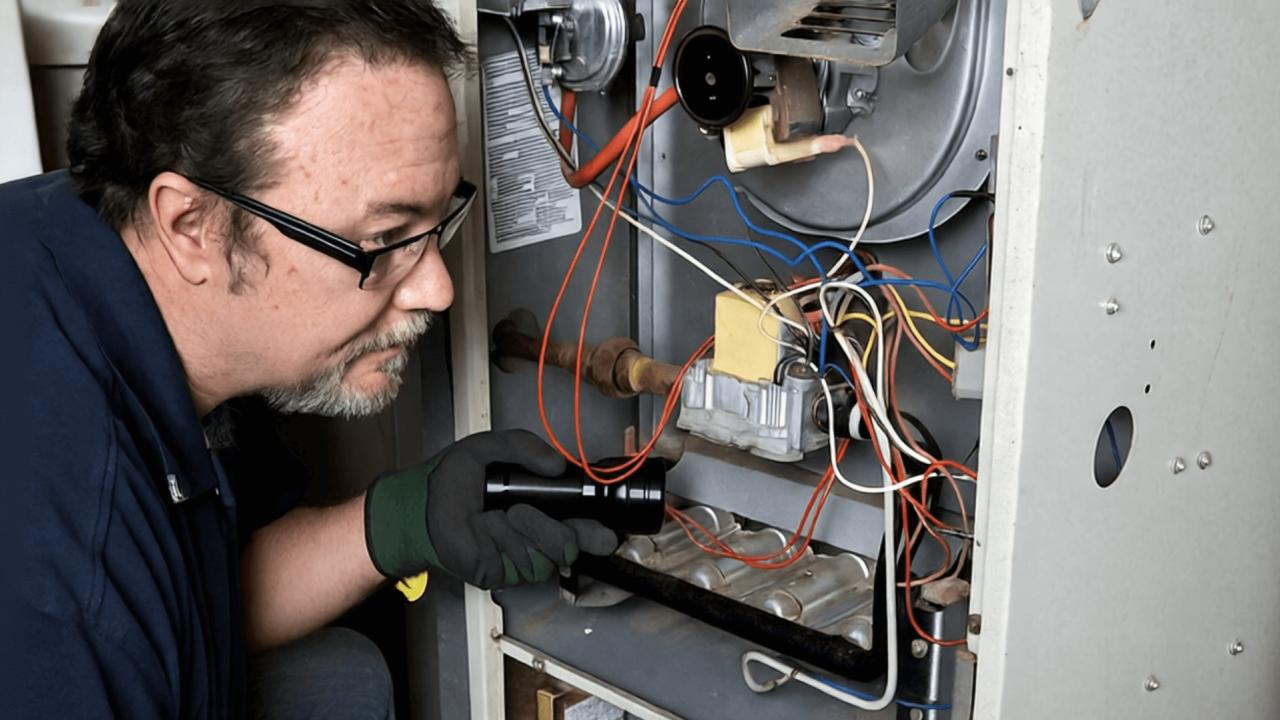
Maintaining a safe and efficient plumbing system is essential for any homeowner. While some plumbing issues are obvious, many develop slowly over time, leading to significant damage and costly repairs if ignored. Regular professional plumbing inspections can help identify problems before they escalate, ensuring your home’s plumbing system runs smoothly.
If you are experiencing unusual plumbing behavior or want to take preventive measures, hiring plumbing service in Las Vegas professionals is a smart choice. Certified plumbers can detect issues early, saving you from emergency repairs and potential water damage. Here are the key signs your home may need a professional plumbing inspection.
1. Slow Drains Throughout Your Home
A slow-draining sink, shower, or bathtub is often a subtle indicator of a clog or buildup within your pipes. While occasional slow drainage may be caused by minor debris, consistent issues could point to more serious problems, such as:
- Grease or soap buildup in the drainpipes
- Accumulation of hair and debris in the shower or sink
- Tree roots infiltrating underground pipes
Professional plumbers use specialized tools to identify and clear blockages, preventing potential backups that can lead to water damage or flooding.
2. Visible Leaks or Water Stains
Leaks are one of the most common plumbing problems that homeowners face. Signs to watch for include:
- Dripping faucets or visible water around fixtures
- Water stains on walls, ceilings, or floors
- Unexplained dampness in the basement or crawl spaces
Even minor leaks can cause mold growth, structural damage, and higher water bills. A professional leak detection at home can locate hidden leaks that may not be immediately visible, ensuring timely repairs.
3. Low Water Pressure
If you notice a significant drop in water pressure at your faucets or showerheads, it could indicate several underlying problems, such as:
- Clogged pipes due to mineral buildup
- Leaks in the plumbing system
- Corroded pipes restricting water flow
Low water pressure not only makes daily activities inconvenient but also puts strain on your water heater and plumbing fixtures. A thorough inspection can identify the cause and recommend the appropriate solution.
4. Unusual Noises from Pipes
Gurgling, banging, or whistling noises from your plumbing system are more than just an annoyance—they are often warning signs. Common causes include:
- Air trapped in pipes
- Water hammer (sudden pressure changes in pipes)
- Blockages or loose pipes
Addressing these issues promptly prevents further damage and ensures your system operates quietly and efficiently.
5. Sudden Increase in Water Bills
An unexpected spike in your water bill is a red flag that should not be ignored. Hidden leaks or running toilets can waste a significant amount of water, leading to costly bills. Professional plumbers can perform a comprehensive inspection to detect leaks early, helping you prevent plumbing emergencies and avoid unnecessary expenses.
6. Aging Plumbing System
Homes with older plumbing systems are more susceptible to corrosion, leaks, and pipe bursts. If your home is several decades old, a proactive inspection can identify weak points and recommend upgrades before a major issue occurs. Common signs of aging plumbing include:
- Rust-colored water
- Frequent leaks or pipe bursts
- Outdated materials like galvanized steel or polybutylene
Investing in regular inspections extends the life of your plumbing system and provides peace of mind.
7. Mold or Mildew Growth
Mold and mildew often thrive in areas with excess moisture. If you notice a musty smell, visible mold, or mildew around your sinks, bathrooms, or basement, it could indicate hidden leaks or poor drainage. Mold not only damages your property but also poses serious health risks. A professional inspection identifies the source and helps remediate the issue safely.
8. Backflow Issues
Backflow occurs when water flows in the opposite direction, potentially contaminating your clean water supply. Signs of backflow may include:
- Water in sinks or tubs rising unexpectedly
- Foul-smelling water
- Unexplained contamination
Certified plumbers can test your system for backflow and install preventive measures such as backflow prevention valves to protect your home.
How a Professional Plumbing Inspection Helps
Professional inspections go beyond just fixing visible issues. A certified plumber will:
- Conduct a full evaluation of your plumbing system
- Identify hidden leaks and weak points in pipes
- Check water pressure and flow throughout the home
- Provide recommendations for repairs, upgrades, or preventive maintenance
Regular inspections not only prevent emergencies but also help maintain water efficiency, reduce repair costs, and protect your home’s structural integrity.
Preventive Maintenance Tips
Even if no immediate issues are visible, homeowners can take simple preventive measures:
- Regularly clean drains and traps
- Inspect faucets and showerheads for leaks
- Monitor water bills for unusual spikes
- Schedule professional plumbing inspections every 1–2 years
Following these steps in combination with professional services ensures a safe, reliable, and efficient plumbing system.
Conclusion
Recognizing the early warning signs of plumbing issues can save homeowners significant stress, time, and money. Slow drains, leaks, low water pressure, unusual noises, and mold growth are all signals that a professional inspection is needed. Partnering with experienced plumbers for routine inspections not only prevents emergencies but also helps maintain the longevity and efficiency of your home’s plumbing system.