Long-distance love calls for more than kind words. It needs effort, patience, and clear talks. In Singapore, many couples live apart because of jobs, school, or family needs. This space between them often stretches their trust and weakens their bond.
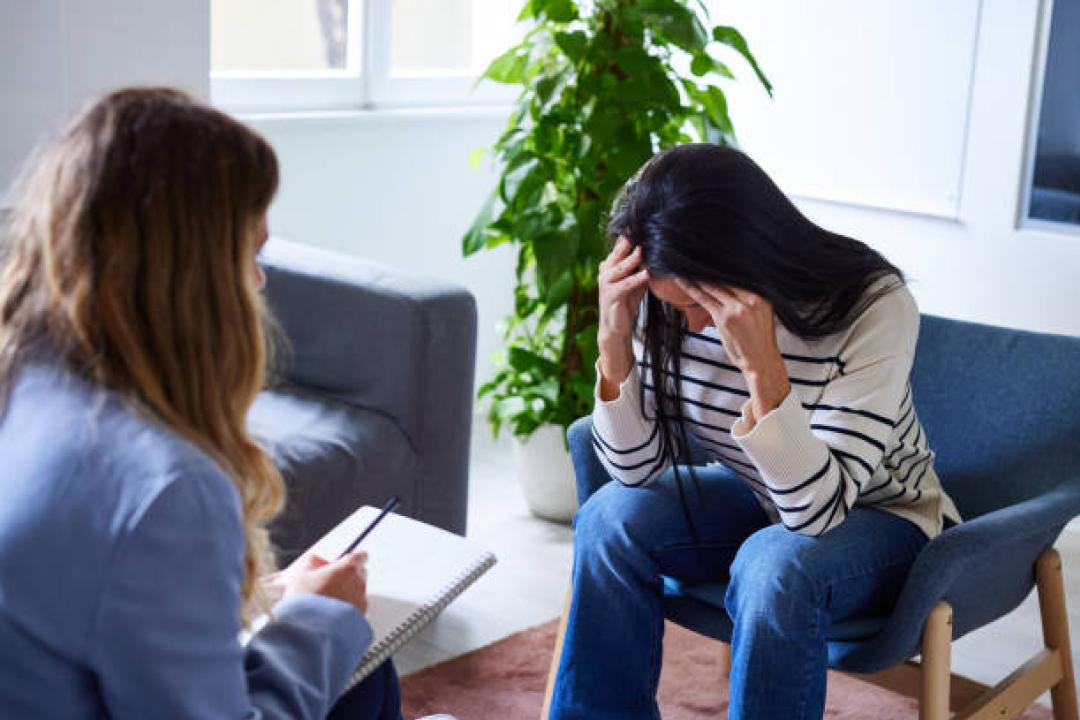
Some couples explore therapy for relationship issues when calls grow cold and feelings start to drift. Love may remain, but silence, stress, and unmet hopes creep in. With help from a therapist, couples speak freely and listen better.
The right support lets couples rebuild their connection. Therapy won’t erase the distance, but it gives them tools to reach each other again.
What Makes Long-Distance Love Hard?
Being far apart twists the way couples live and share. Small problems, once easy to fix, often grow into bigger ones. Common struggles often include:
Words get misunderstood – Messages lose meaning without tone.
Effort feels unequal – One partner may call more or plan all the visits.
Trust shakes – Not knowing the other person’s life stirs fear or doubt.
These issues pull couples in different directions. Without touch, laughter, or daily talks, the bond stretches too thin.
How Therapy Helps Distant Hearts?
Therapy offers a place where both partners speak without fear. A therapist listens, asks questions, and guides honest talks. Each person uncovers their thoughts and tells their story.
Through relationship therapy, couples sharpen how they talk and show care. These new ways help when visits stay rare or calls turn short.
Therapy gives couples a chance to:
Steer clear of blame
Repair broken trust
Grow closer, step by step
It also helps each person understand what they need to feel safe and seen in love.
How Sessions Work for Long-Distance Couples?
Couples don’t need to meet in the same room. Many therapists now meet couples through video calls. These online sessions fit well with busy lives and different time zones.
Therapists who lead long-distance relationship therapy Singapore use simple tools and clear steps. They guide couples through open talks, shared tasks, and weekly check-ins.
A typical session may include:
Talking about recent tension or changes
Asking deep questions that uncover hidden feelings
Making small plans to stay connected
Little steps, done often, help love feel steady again.
When Should Couples Try Therapy?
Not all distant couples need help. But when talks dry up or fights grow more often, it might be time to see a therapist.
Here are signs that signal the need:
Many talks end in fights or silence
One partner feels lonely even after speaking
Doubt replaces trust
Connection feels broken
These signs don’t mean the relationship failed. They point to the hurt that needs care. A good therapist helps couples face these cracks and decide how to move forward.
Simple Routines Keep Love Strong
Therapy also helps couples shape daily habits that build trust. These habits keep love alive even when days or weeks go by without a visit.
Couples can build healthy routines like:
Setting a time each day to chat without distractions
Doing something together, like reading or cooking over video
Sharing plans for future visits
These shared moments remind couples they still walk side by side, even when miles apart.
Culture and Pressure Play a Role in Singapore
In Singapore, work, study, and family pull couples apart. The pace of life often leaves little time for deep connection.
Some people also feel pressure from family or friends. They might hear that long-distance love won’t last or that therapy means failure. These views make it harder to speak up or ask for help.
But therapy in Singapore respects these struggles. Therapists understand local values and support couples as they face outside stress and their own feelings.
Talking Tools That Build Connection
Long-distance couples rely on words. They cannot hold hands or hug after a fight. That’s why clear words matter most.
In relationship therapy, couples learn tools like:
Saying what they feel instead of what they expect
Pausing when upset instead of shouting
Checking in with honest feelings, not just facts
These tools help couples stay calm during hard talks. When they use these steps, they connect more and hurt each other less.
Managing Fights From Far Away
All couples argue. But when they live far apart, small fights often feel bigger. Texts can sound cold. Delays in replies stir fear or confusion.
Therapists teach couples how to fight fair and stay kind. They suggest steps like:
Agreeing to take a break when things get tense
Setting rules for hard talks
Repairing trust after fights with simple actions
These steps change fights into learning moments. With time, couples fight less and solve more.
Fixing Time Gaps and Feelings of Distance
Time zones and busy lives make it hard to stay in sync. One person may feel ready to talk while the other feels tired or busy.
Therapy helps couples name these issues and make better plans. They may take turns choosing times to talk or agree on quiet days without guilt.
Instead of saying, “You never call,” they may say, “I miss hearing from you.” These softer words show care and build bridges.
When to Step Back or Stay Together?
Some couples go to therapy to fix what feels broken. Others want to know if they should pause, break up, or try again later.
Through therapy for relationship issues, couples explore what they really want. A good therapist never pushes a choice. They guide, not steer.
Some couples choose to part in peace. Others find new strength and build again. Either way, the choice comes with understanding, not anger.
Therapy Tools That Support Long-Distance Love
Therapists often use different tools to help couples talk and grow. These tools work best when used with care and clear intent.
Here is a table with some helpful therapy tools and what they support:
Tool | What It Does |
Emotion Cards | Help name and show hidden feelings |
Story Sharing | Builds deeper understanding and empathy |
Repair Scripts | Teach how to fix hurt with simple words |
Shared Checklists | Keep both people on track with small goals |
Connection Logs | Track when couples feel closest or farthest |
Each of these tools helps couples speak with care and listen with purpose.
Shape a Shared Future, Even From Afar
Therapy does not remove distance, but it shows couples how to grow love across it. They build a future with shared goals and clear steps.
These may include moving to the same city, planning a holiday, or starting new habits that feel special.
When both people believe in a future together, their choices reflect that. They make space for each other even when life feels full.
Pick the Right Therapist in Singapore
Finding the right person to guide your talks matters. Look for someone trained in helping couples who listen without taking sides.
Therapists who offer long-distance relationship therapy Singapore often use calm steps and clear language. They hold space for both people to speak.
Couples should feel safe asking questions. If something feels off, they can try another therapist. The best support feels steady, honest, and open.
Conclusion
Long-distance love feels hard, but not hopeless. In Singapore, where busy lives often pull couples apart, therapy lights a path back to trust and care. When words turn sharp and silence feels heavy, therapy for relationship issues gives couples a new way forward.
Through relationship therapy, couples untangle confusion, repair trust, and grow new habits. With steady effort, long-distance partners can build a love that bends but never breaks. The right help turns the space between them into a bridge, not a wall.
Frequently Asked Questions
1. What is couples therapy for long-distance relationships?
It’s a type of counselling that helps couples strengthen communication, trust, and emotional connection despite living apart.
2. Why do long-distance couples seek therapy?
Therapy helps them handle loneliness, misunderstandings, and emotional stress while keeping their bond strong and healthy.
3. How can therapy improve a long-distance relationship?
Therapists teach better communication habits, guide couples through conflicts, and help them rebuild closeness and trust.
4. Are online therapy sessions available for long-distance couples?
Yes. Many therapists in Singapore offer online sessions so both partners can join from different locations.